Products
Pumps
Pump Systems
Digital Solutions
Shredding Systems
Applications
Environmental Technology
Biogas Handling
Mining and Mineral Processing
Food and Beverage Industry
Oil, Gas and Petrochemicals
Pulp & Paper Industry
Additional Industries
Media
News
Fairs and Events
Downloads
Videos
Knowledge on Demand
SEEPEX Technologies
Security Publications
Services
SEEPEX Care Service Programs
Original Parts
Commissioning
24-Hour Helpline
Services
Company
About SEEPEX
Career
Locations
Build America, Buy America

Mine dewatering does not look the same everywhere, and the differences are rarely superficial. They are usually shaped by the mining environment itself: arid copper districts, deep hard-rock pits, karst coalfields, or tropical open pits all create different pressures on the dewatering system.


A country’s dewatering habits usually reveal what the mine is most concerned about protecting. In some places, the priority is water supply security. In others, it is slope stability, underground access, runoff control, or water-hazard prevention. These priorities shape the way systems are designed, how pumps are selected, and which operating features become non-negotiable.

Arid, High-Altitude Copper Regions

In Chile and similar Andean mining environments, dewatering practice is deeply influenced by water scarcity. The challenge is not only removing unwanted water from the mine. It is doing so in a region where water itself is constrained, contested, and increasingly expensive to secure. That has pushed operators toward desalination, seawater use in selected process routes, long-distance conveyance, and much stronger reuse strategies than are common in wetter mining regions.

In practical terms, this changes what “good” dewatering looks like. The system is no longer judged only by whether it keeps working areas dry. It is also judged by how efficiently it uses energy, how well it fits a broader water-management strategy, and how much operational burden it adds in a setting where every cubic meter of water matters. In these regions, the stronger dewatering specifications tend to reward efficiency, long service life, and pumping solutions that can handle abrasive media without making maintenance or water use harder than necessary.
Hard-Rock Open Pits and Depressurization-Driven Practice

Australia and Canada often arrive at similar dewatering priorities, even though the mines themselves may differ. In both regions, dewatering is frequently treated not just as water removal but as pressure control. The practical objective is to keep pit slopes stable, pit floors workable, and geotechnical assumptions aligned with actual groundwater behavior. That makes depressurization a central part of the mine plan rather than an add-on once water becomes visible in the pit.

This has a very direct effect on specification. In these environments, operators tend to value reliability over long campaigns, stable performance under pressure, and systems that can be monitored and maintained without creating unnecessary interruption. It also means that hydrogeology, geotechnics, and mine sequencing are usually more tightly connected than in a simpler drainage problem. The dewatering system is expected to support the slope design, not just respond to seepage after the fact.

Regulatory and Modeling-Driven Mining Regions

The United States often shares the same technical need for depressurization and groundwater control, particularly in western open-pit districts, but the operating culture is frequently shaped more explicitly by permitting, groundwater modeling, and long-term mine-water behavior. In these settings, dewatering is often specified with one eye on current operations and another on what the groundwater system may do over the life of the mine and after pumping slows or stops.

That leads to a more model-driven form of mine water management. Perimeter wells, in-pit depressurization, and hydrogeologic forecasting tend to play a larger role in the specification process, especially where pit expansion intersects important aquifers or where future rebound and pit-lake formation need to be considered early. In practical terms, this usually favors equipment and systems that are dependable, predictable, and easier to align with a life-of-mine water strategy rather than only the immediate pushback.

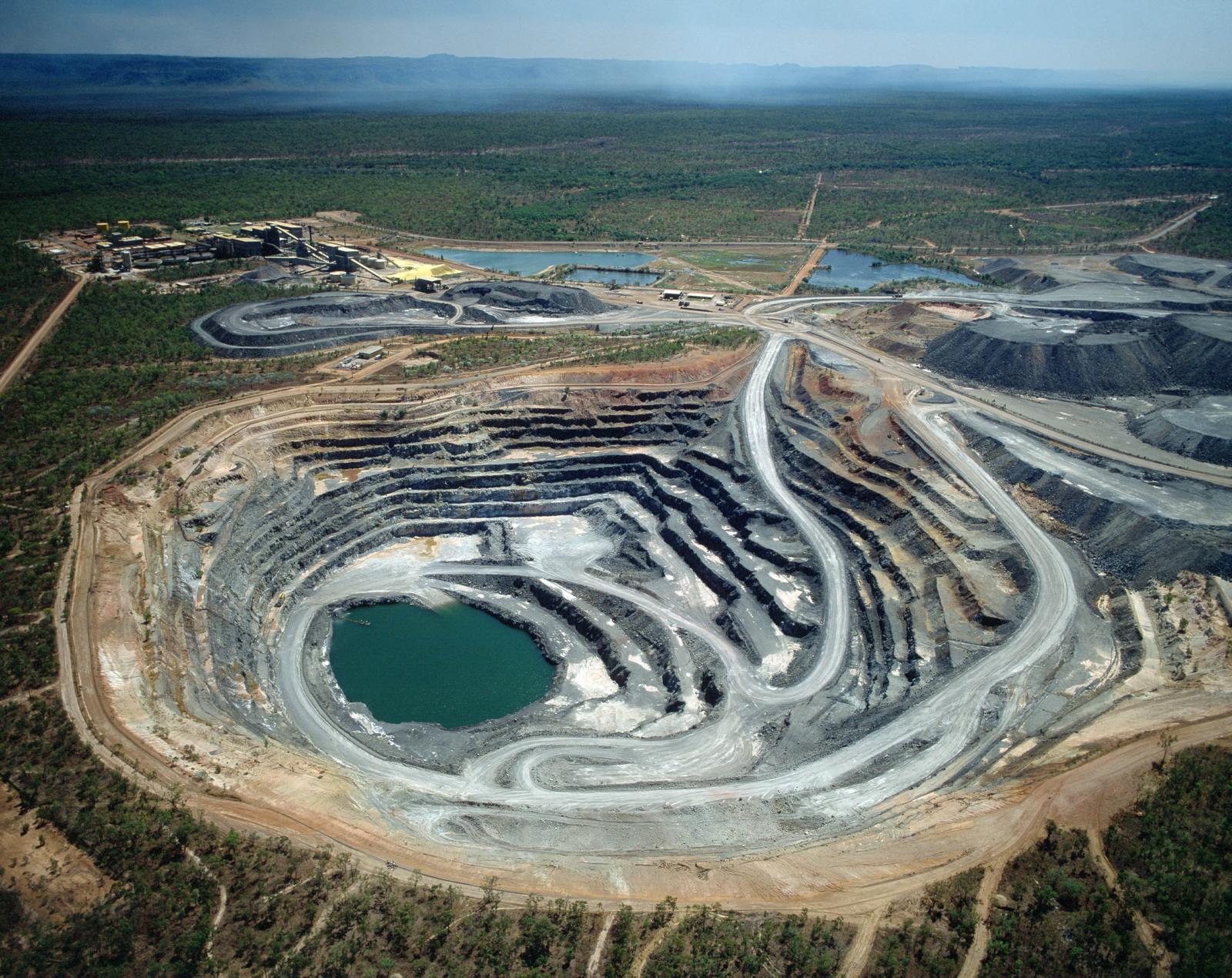
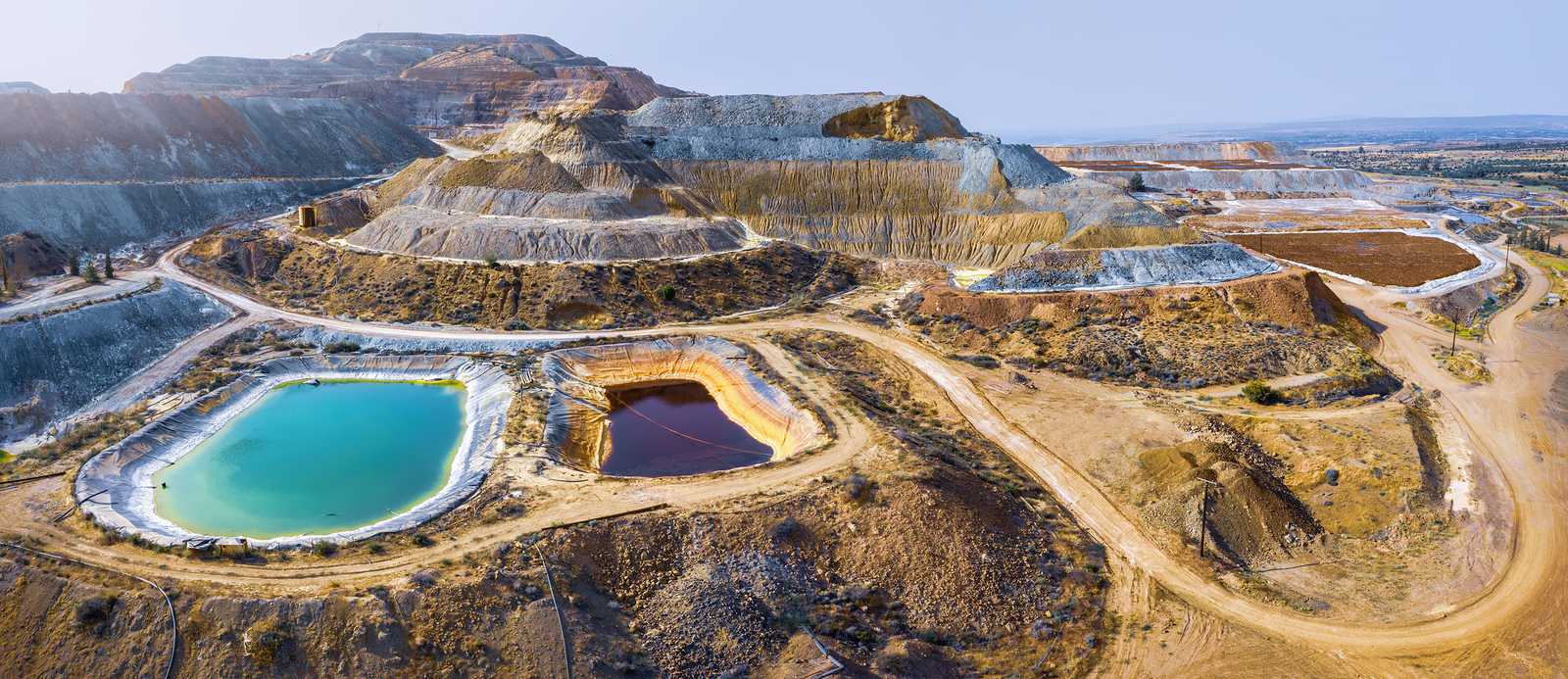
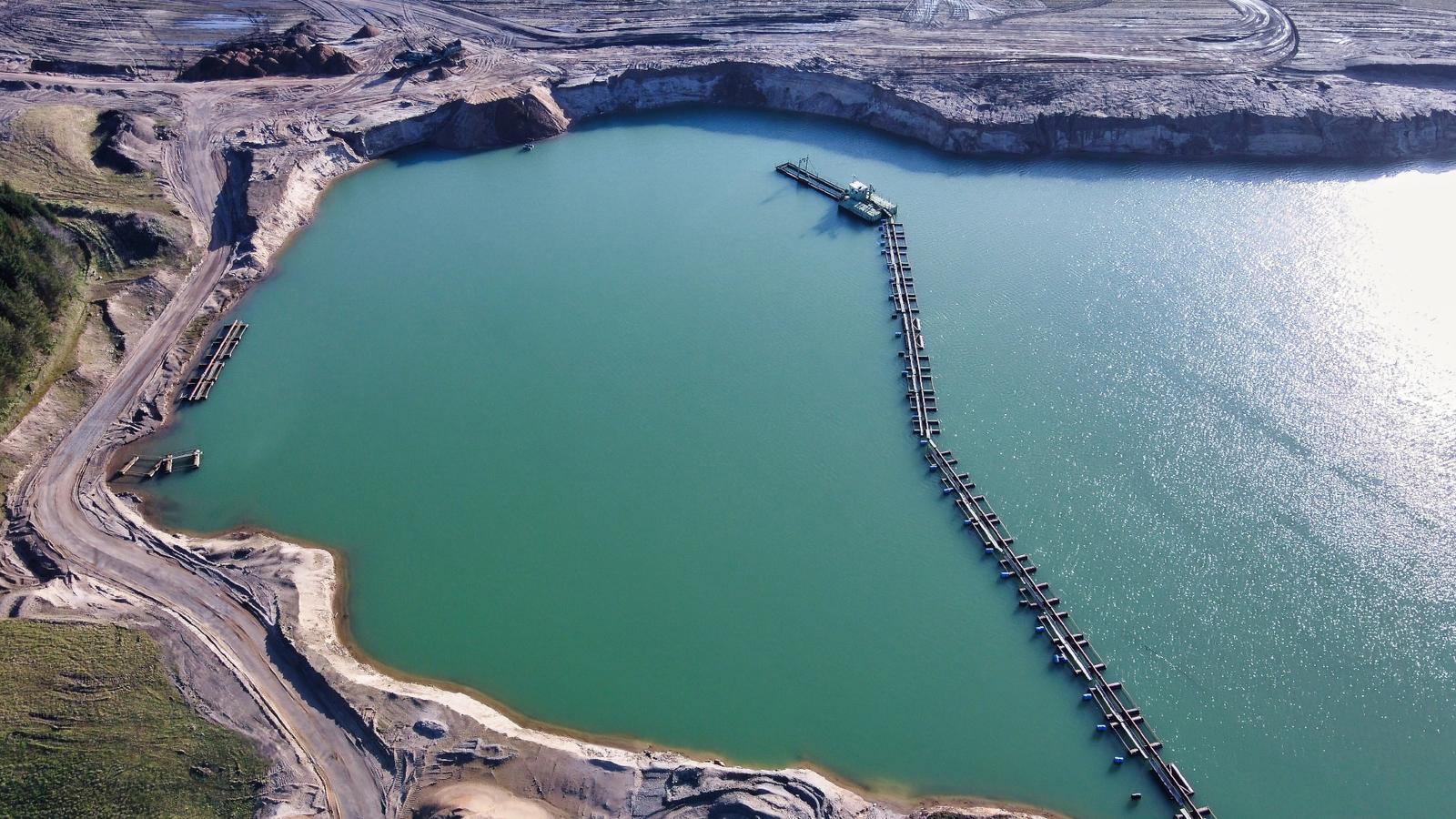
Mining area with water accumulation

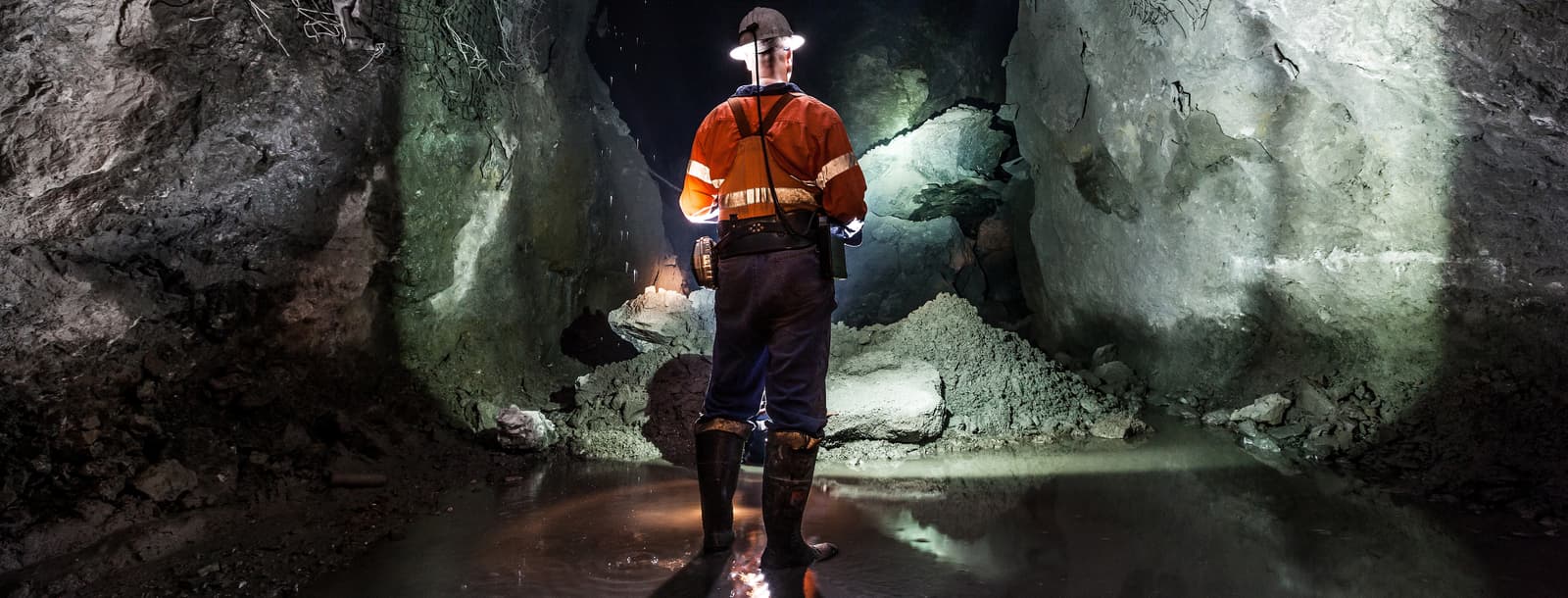
Underground Mine Dewatering Pumps: What Really Matters

Learn what really matters when selecting underground mine dewatering pumps, from pressure and solids handling to underground pump maintenance, uptime, and long-term reliability.

Water-Hazard Control in Karst and Coal Mining

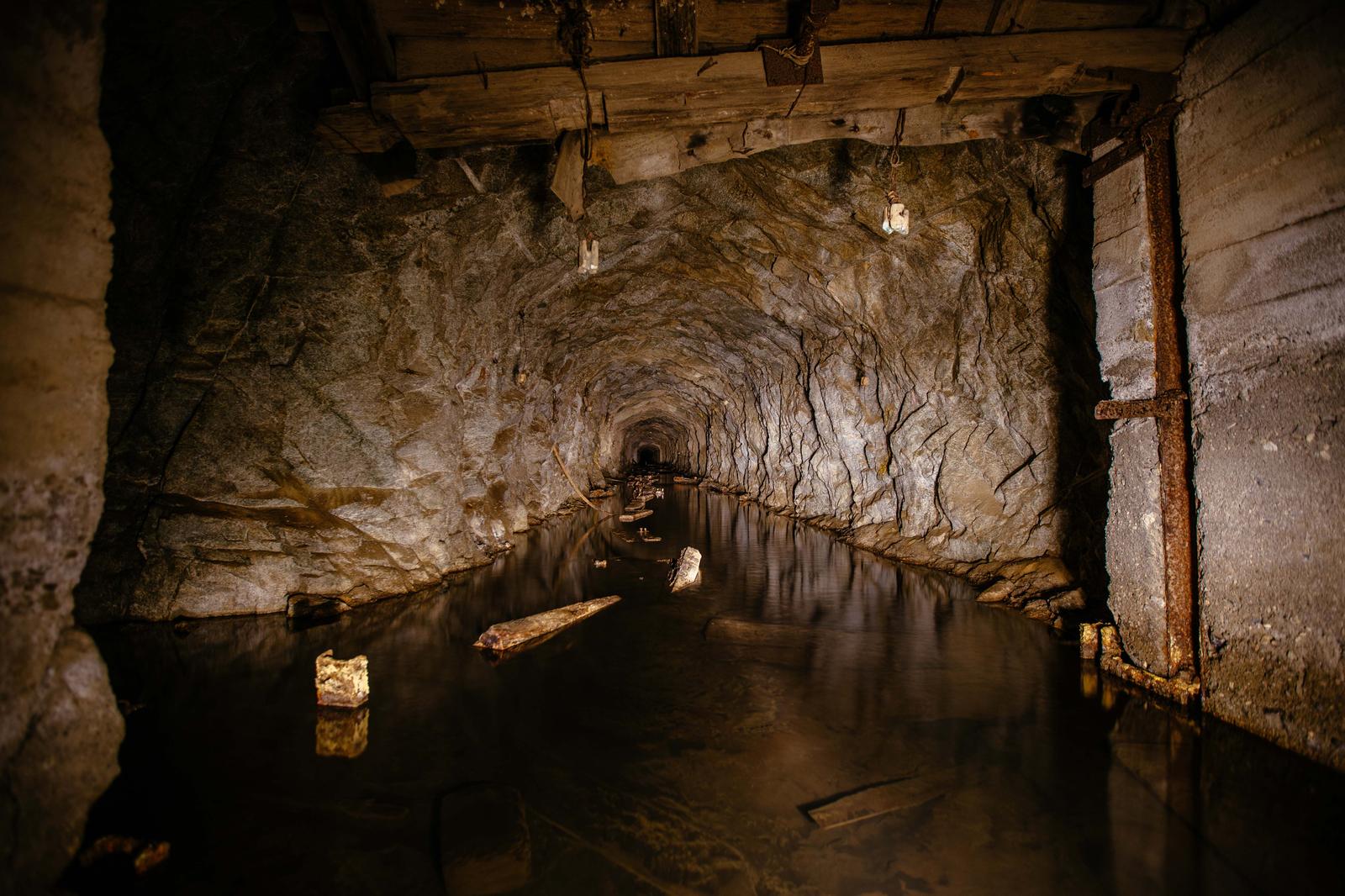
China stands apart because in many mining districts the central challenge is not only dewatering in the usual sense, but water-hazard prevention. In underground coalfields and karst-affected regions, the real issue may be sudden water inrush, aquifer breakthrough, or groundwater pathways that create major safety risks if they are not controlled before mining advances. In those environments, pumping remains important, but it often sits inside a wider control strategy that includes drilling, pre-drainage, grouting, and geological detection.

This leads to a different kind of best practice. The emphasis is often on preventing water from becoming an emergency rather than simply designing a stronger pumping line after the fact. The dewatering specification therefore has to fit into a more defensive philosophy of mine water control. A pumping system may still be required to perform continuously and reliably, but it is often only one part of a broader water-hazard program that begins before the working area is fully exposed.

Tropical Open Pits and Rainfall-Driven Practice

The Philippines and many parts of Southeast Asia push mine dewatering in a different direction again. Here the defining pressure is often not chronic water scarcity or hard-rock depressurization, but runoff intensity, sediment handling, and the need to stay ahead of extreme rainfall. In tropical open pits, water management is often shaped as much by storm response as by groundwater. That shifts attention toward diversion ditches, retention areas, settling ponds, temporary pumping stations, and systems that can respond quickly when rainfall turns from routine to disruptive.

In these environments, dewatering best practice tends to reward mobility, modularity, solids tolerance, and rapid deployment. A system that works well in a steady-state inflow environment may still struggle if it is too rigid, too slow to adapt, or too maintenance-heavy during wet periods. The stronger specifications are usually the ones that assume variability from the beginning and build enough flexibility into the pumping arrangement to deal with it.

What Regional Practice Really Means for the Buying Decision

Seen together, these regional patterns point to a simple conclusion. Operators do not really specify mine dewatering by pump category alone. They specify against the burden the mine cannot afford to carry. In arid copper districts, that burden is often water security tied to energy and reuse. In Australia and Canada, it is pressure management and geotechnical reliability. In the United States, it is groundwater modeling and life-of-mine control. In China, it is hazard prevention and aquifer control. In tropical Southeast Asia, it is runoff intensity, solids handling, and fast operational response.

Regional practice helps clarify which specification priorities are structural and which are incidental. Once that distinction is clear, the dewatering system becomes easier to evaluate. The better question is no longer which pump looks best in isolation. It is which specification best protects access, uptime, and operating stability under the conditions the mine faces.

Where SEEPEX Fits Most Naturally

SEEPEX mining pumps are built for abrasive media and designed to support energy efficiency, durability, and reliable operation across a wide range of mine-water duties. These strengths align especially well with regional practices that place greater value on energy performance, solids handling, and maintenance friendliness over long operating periods.

Where the dewatering burden is shaped by abrasive water, extended run times, or limited tolerance for service interruption, progressive cavity pump technology becomes easier to justify. A compact BN pump can make sense where flexibility and solids capability matter. BNM and SCT become more compelling where larger duties and Maintain in Place service have a direct influence on system availability. In that sense, regional mine dewatering practice leads to the same decision from different directions: the right specification is the one built around what the mine cannot afford to lose.

Read More About Mine Dewatering