Products
Pumps
Pump Systems
Digital Solutions
Shredding Systems
Applications
Environmental Technology
Biogas Handling
Mining and Mineral Processing
Food and Beverage Industry
Oil, Gas and Petrochemicals
Pulp & Paper Industry
Additional Industries
Media
News
Fairs and Events
Downloads
Videos
Knowledge on Demand
SEEPEX Technologies
Security Publications
Services
SEEPEX Care Service Programs
Original Parts
Commissioning
24-Hour Helpline
Services
Company
About SEEPEX
Career
Locations
Build America, Buy America

A mine dewatering system rarely succeeds because of one pump alone. It succeeds when the entire system has been designed around the way water actually behaves in the mine. That becomes especially important once a project moves into the more practical question of how the system should be built.

At that stage, the real issue is not simply how to remove water, but how to structure a pumping arrangement that remains reliable as conditions change, the mine deepens, and production moves into new areas. A well-designed dewatering system supports access, protects equipment, reduces operational disruption, and prevents water management from becoming a problem of its own.


That is why mine dewatering system design cannot begin with pump selection alone. A pump only performs well when it is placed in the right part of the system, operating under conditions it is suited to handle.

The stronger approach is to begin with the water regime itself: where the inflow is coming from, how it moves through the mine, where it should be intercepted, and what kind of pumping duty each part of the system will create. Once that is understood, the role of each pump type becomes much clearer. In that sense, system design is not separate from pump choice. It is what allows pump choice to make sense.

Good System Design Starts Before the First Pump

Dewatering systems are often judged by their pumping performance, but their success is shaped much earlier than that. The real starting point is a clear understanding of the mine’s hydrogeology, the likely inflow profile, and the operating targets the dewatering strategy has to meet. If that understanding is weak, the system tends to become reactive. Additional pumps are added only after water levels rise, booster stations are introduced only after head requirements increase, and sumps become larger only after the original design proves inadequate. That usually leads to a system that functions, but not efficiently or predictably.

A stronger design process works the other way around. It begins by identifying the expected inflow sources, the likely range of water volumes, and the points where water should be collected or intercepted before it affects production. In practical terms, that means the design is built around the mine rather than around a fixed equipment list. It also means the system is better prepared for the way mines evolve. Water behavior does not remain static over the life of a project, and a dewatering strategy should never assume that it will.
Underground and Open-Pit Systems Follow Different Logic

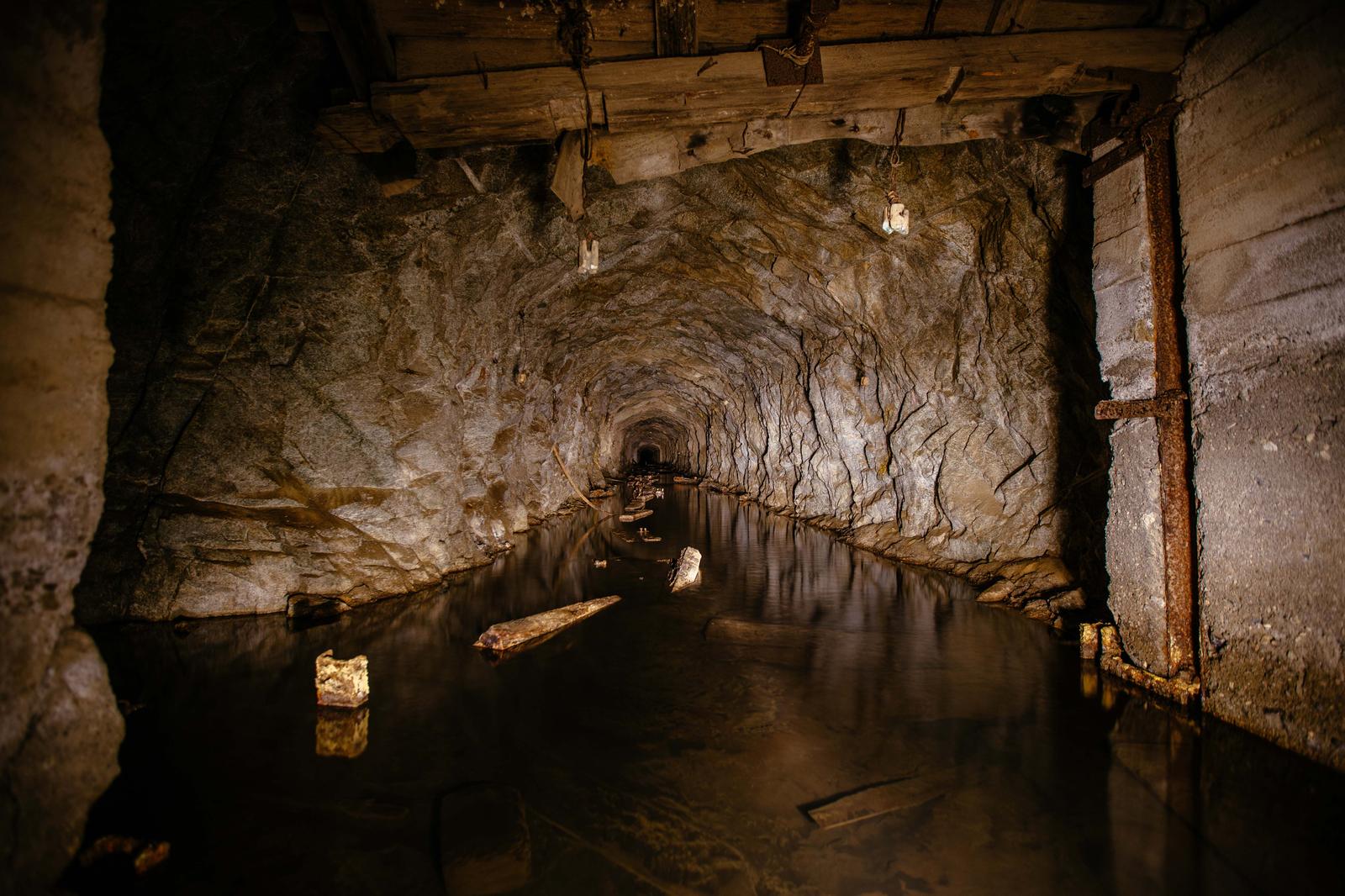
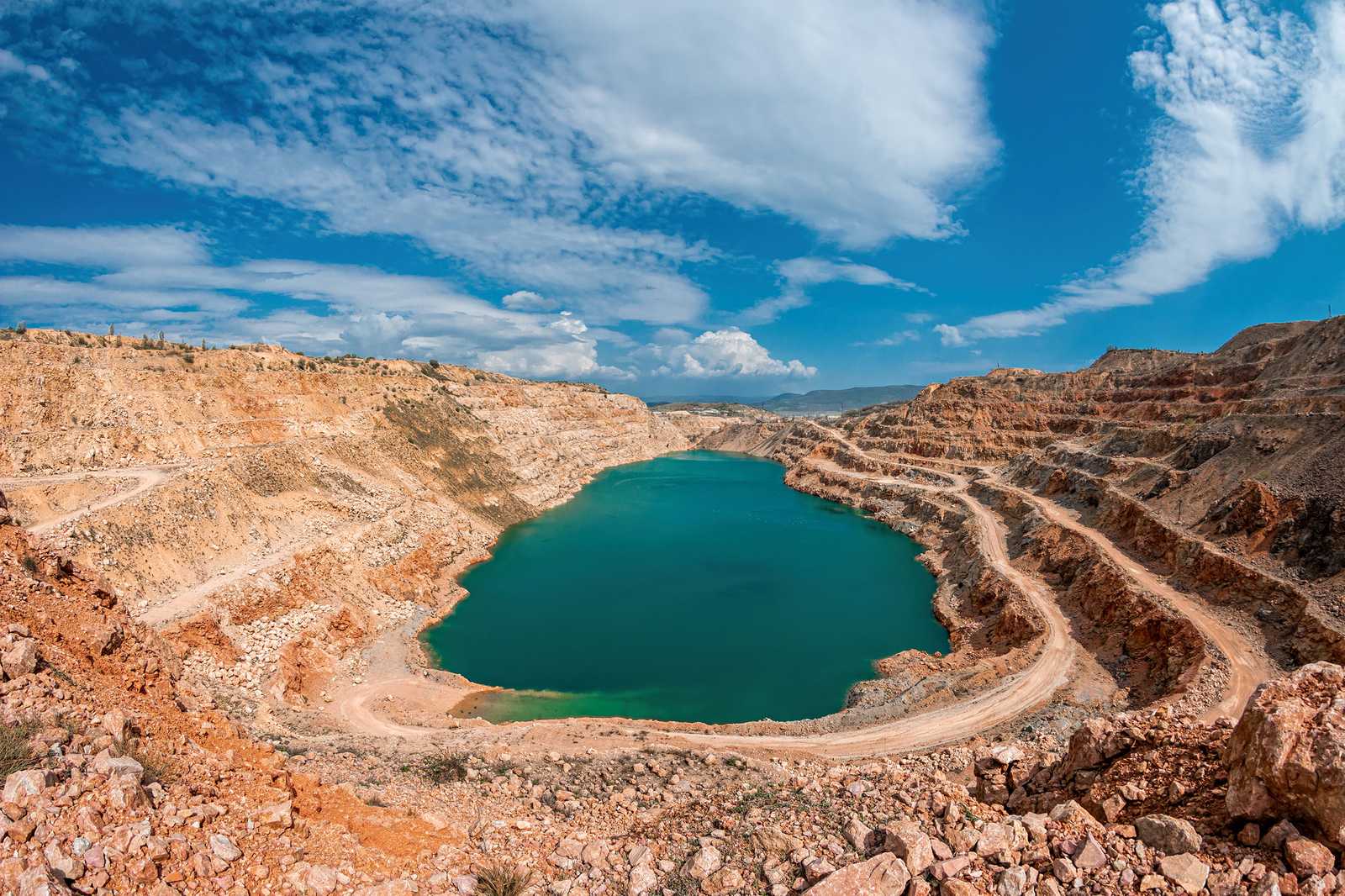
The structure of a dewatering system changes significantly depending on whether the mine is underground or open pit. In underground operations, water usually collects at the lowest levels and must be lifted in stages through the mine before reaching a main drainage point or surface discharge. That creates a system built around collection points, local sumps, intermediate pumping stations, and staged lift. The deeper the mine, the more important pressure capability, sump design, pump placement, and maintenance access become. In this setting, the system needs to do more than remove water. It also needs to keep water moving reliably through confined conditions, often with very little room for interruption.

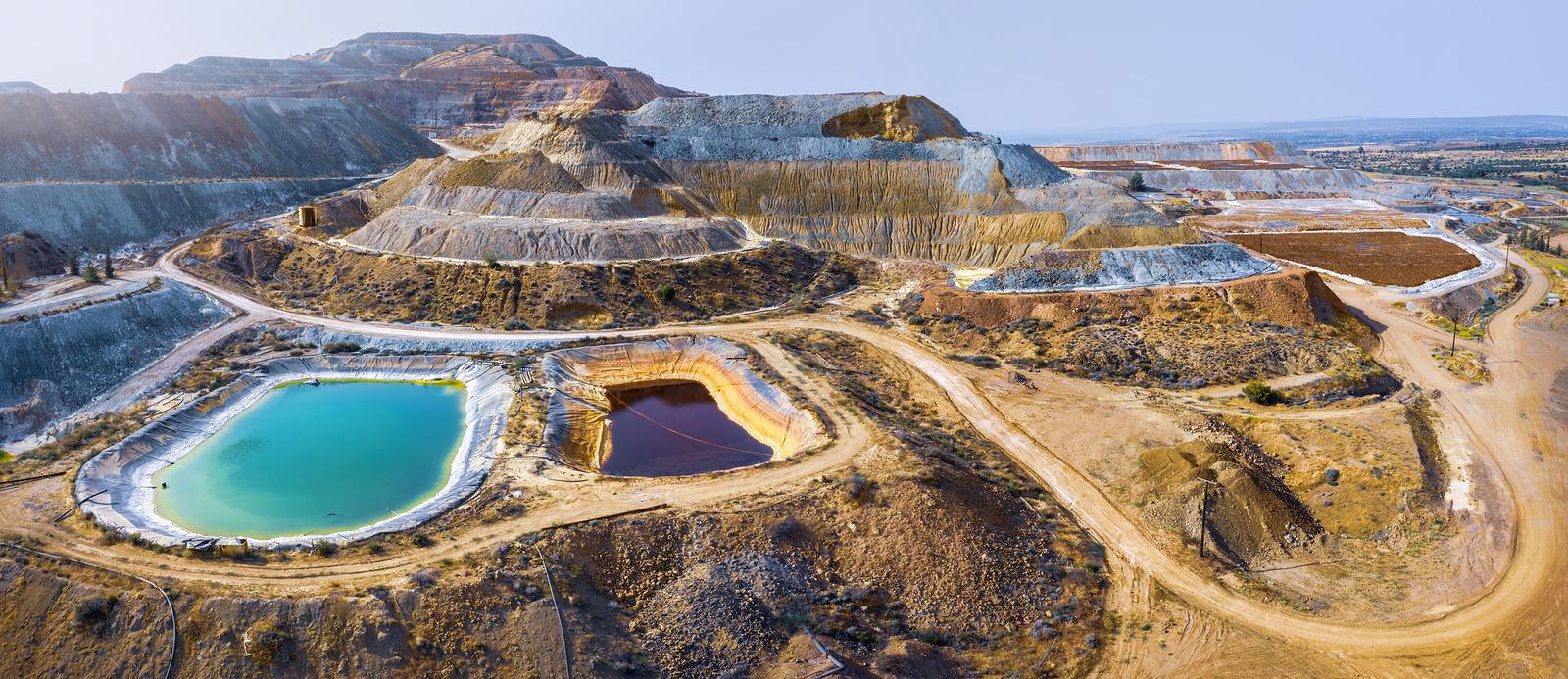
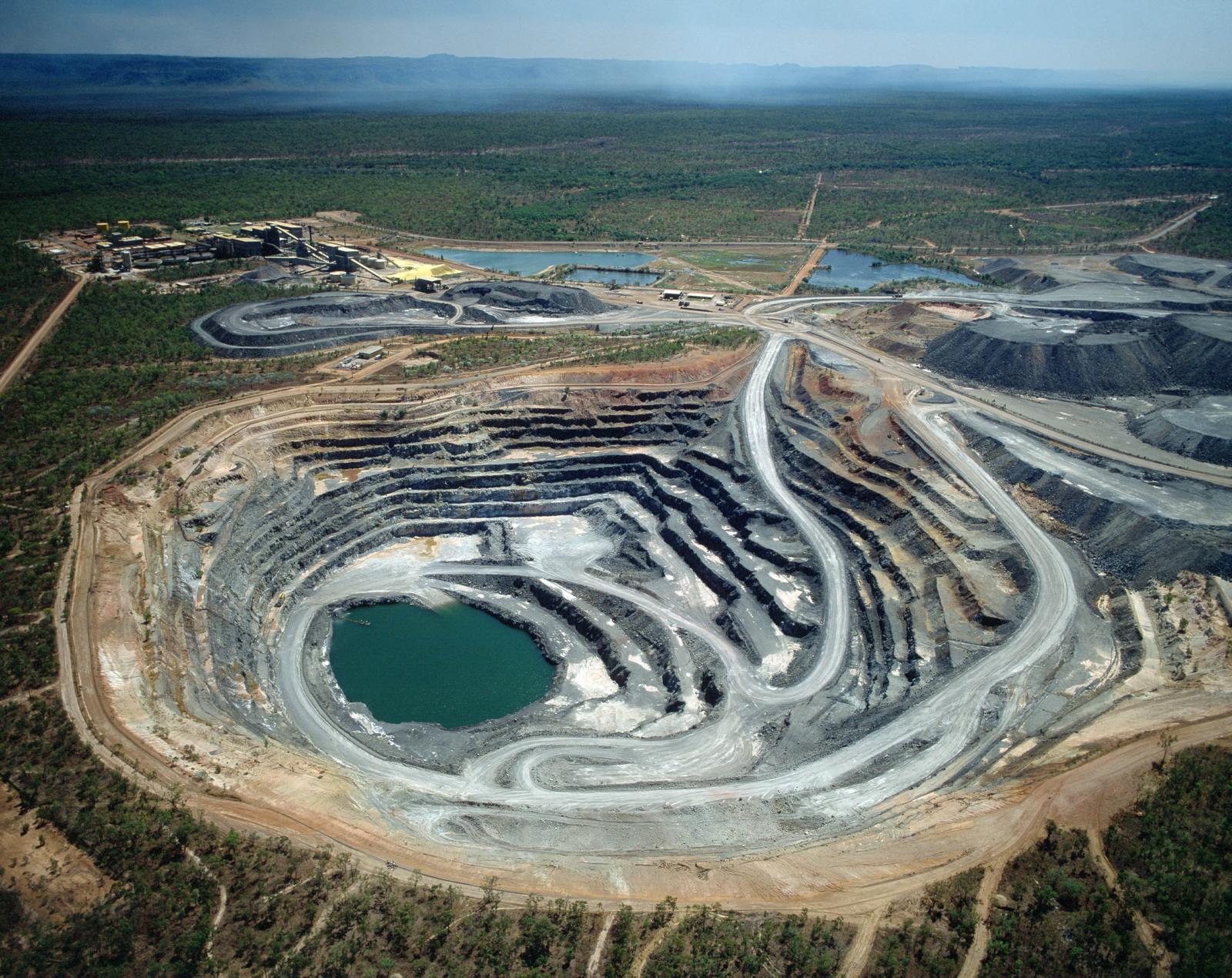
Open-pit systems are arranged differently because the challenge is spread across a more open and changing geometry. Water may enter through rainfall, runoff, seepage across pit walls, or upward flow at the pit floor. In some cases, local sumps and in-pit pumps can control the problem effectively. In others, the system has to work further upstream by intercepting groundwater before it reaches the pit, often through wells, drains, or perimeter control measures supported by pit-floor collection and staged transfer. The deeper the pit becomes, the more likely it is that the pumping arrangement will need to evolve as distances increase and the discharge path changes.

Because the underlying problems are different, the best system design is not a fixed template applied to both mine types. Underground systems tend to rely more heavily on staged transfer and pressure management. Open-pit systems tend to demand greater flexibility as the physical layout changes. In both cases, the system only works well when the pump type at each stage fits the job it is being asked to do.

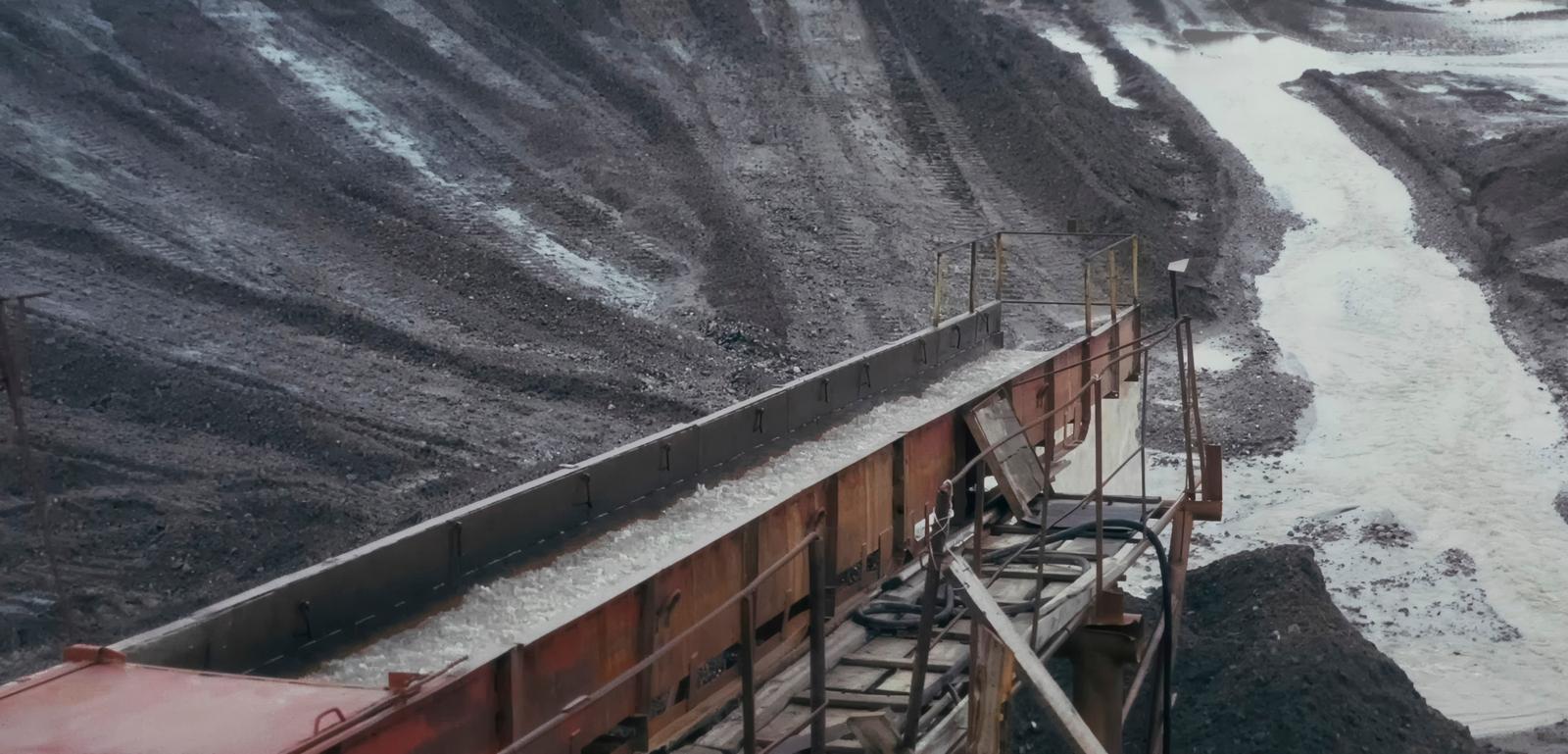
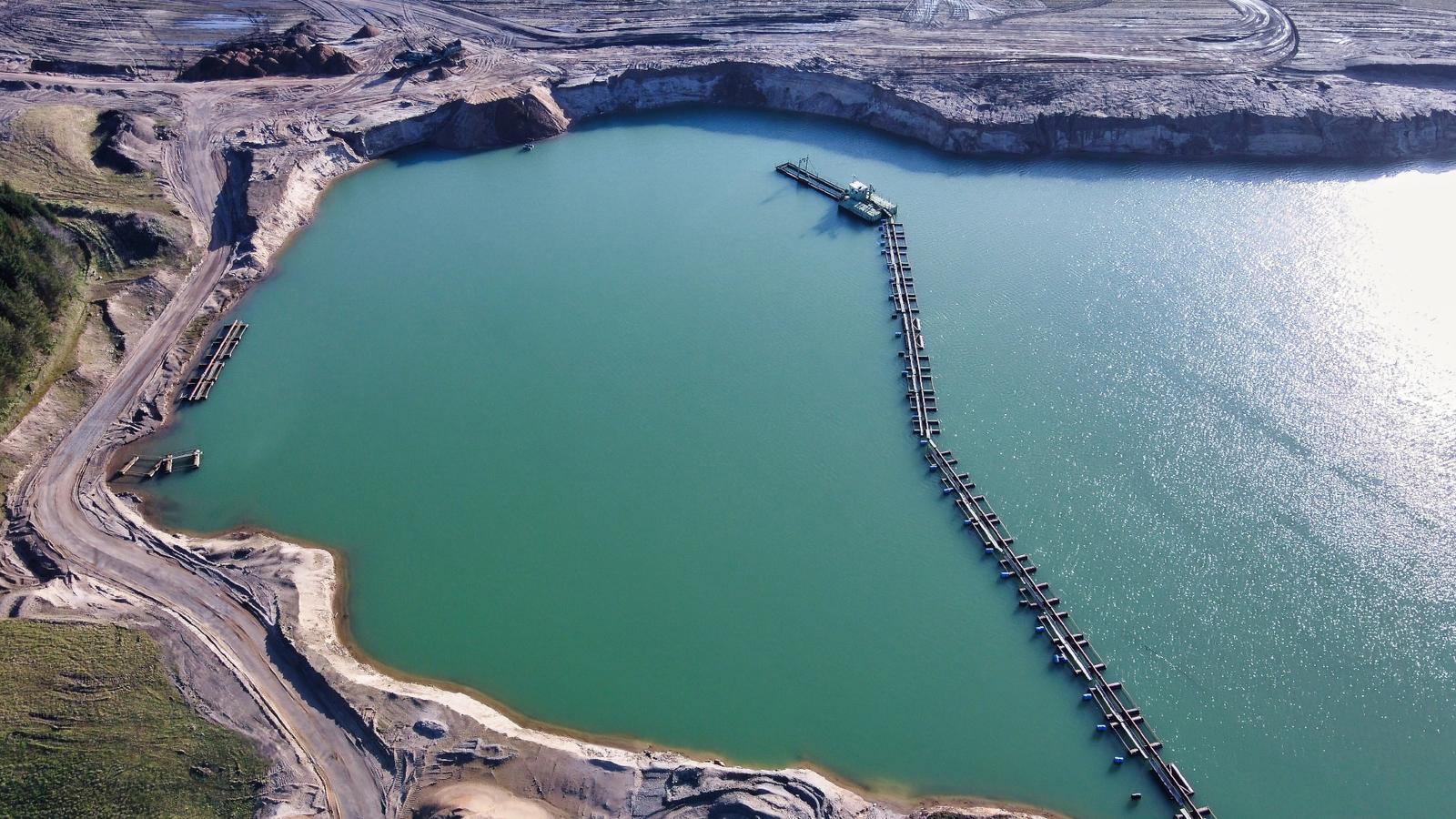
Mining area with water accumulation

Underground Mine Dewatering Pumps: What Really Matters

Learn what really matters when selecting underground mine dewatering pumps, from pressure and solids handling to underground pump maintenance, uptime, and long-term reliability.

Different Pump Types Belong in Different Parts of the System

This is where system design becomes especially relevant for pump selection. A mine dewatering system is rarely built around one technology alone. Different pump types tend to perform well in different parts of the system, and the most effective arrangements usually reflect that.

Submersible pumps often make sense at localized collection points where direct immersion and compact installation are useful. They fit naturally in underground sumps, flooded zones, pit collection points, and temporary drainage tasks where speed of deployment and simple installation matter most. In the right duty, they remain an effective and practical part of the system.

Centrifugal, multistage, and similar pump arrangements tend to become more relevant where higher flow rates or higher lift requirements shape the system. They are commonly used where large volumes have to be moved over longer distances or at higher pressure, particularly when the water is relatively manageable and the installation can support a more fixed layout. In many mines, these technologies form part of the backbone of the transfer system once water has already been collected and needs to be moved more efficiently through the network.

Progressive cavity pumps become more relevant where the duty is less forgiving. They are not necessarily the starting point for every section of the system, but they can become especially valuable where abrasive solids, unstable inflow, higher pressure demands, or maintenance-sensitive installations begin to shape the real cost of operation. Their operating principle gives them a very different role in the system compared with other pump types. Where flow consistency matters, where solids are part of the duty rather than an occasional complication, or where maintenance disruption carries a higher penalty, progressive cavity pumps often fit the harder parts of the system particularly well.

Energy Efficiency Is Designed Into the System, Not Added Later

Energy efficiency is often discussed as though it depends only on pump performance, but in mine dewatering it begins with the system layout. Pipe routing, lift strategy, friction losses, staging, and control philosophy all affect how hard the pumps need to work and how often they operate under less efficient conditions. A system that forces pumps to do too much in one lift, or one that creates unnecessary losses through poor routing, will carry those inefficiencies every day the mine operates.

That is why system design has such a direct effect on operating cost. In underground mines, staged pumping can reduce the burden of forcing one pump to handle the entire lift in a single step. In open pits, it can reduce the energy cost of moving water as the pit deepens and discharge conditions become more demanding. The same principle applies to pump type. A pump that appears efficient under ideal conditions may lose that advantage quickly if the actual duty includes abrasives, unstable inflow, or pressure variation that was not properly considered in the design.

This is also where progressive cavity pumps can offer a more meaningful contribution than their footprint alone might suggest. In the right part of the system, especially where abrasive water affects wear and efficiency over time, they can help improve the longer-term economics of the dewatering arrangement by reducing maintenance-related disruption and supporting more stable performance under real operating conditions.

Maintenance Access Should Be Considered from the Beginning

Maintenance is not something that happens after system design. In mining, it is part of system design from the beginning. A pump placed in the wrong location, sitting in sediment, connected through poorly supported lines, or installed where access is awkward will create an operating burden that no amount of later adjustment fully solves. That is especially true underground, where every maintenance intervention may require planning, equipment handling, and time that extends beyond the pump itself.

This is one of the most common reasons some systems begin to look less attractive once they have been operating for a while. The original layout may have focused on moving water out as quickly as possible, but not enough attention was given to how the pumps would be inspected, lifted, or returned to service. In practice, those details determine whether a dewatering system stays manageable over time.That is why maintenance access should be treated as a design criterion rather than an operating detail. In some parts of the system, a simpler installation may still be the right choice. In others, the better option is the pump that reduces intervention, tolerates abrasive media more effectively, or allows a more predictable maintenance strategy. This is often the point where the value of progressive cavity pumps becomes clearer, especially in sections of the system where wear and service access shape the true cost of operation.

Controls, Monitoring, and Redundancy Are Part of the System

Modern dewatering systems are no longer defined by pipes and pumps alone. Controls, monitoring, and redundancy now play a central role in whether the system remains stable when inflow changes or when one part of the network is under strain. Water levels, pump condition, flow behavior, and pressure all need to be visible enough that operators can respond before water management becomes a production issue.

That does not simply mean adding alarms or standby units. It means building enough flexibility into the system that one component can be serviced without putting the rest of the arrangement at risk. It means understanding where automatic level control adds value, where monitoring can help avoid dry running or overload, and where remote visibility can reduce the response time when conditions shift. In a mine dewatering system, redundancy is not only about backup equipment. It is about avoiding single points of failure in a process that must work continuously.This matters in both underground and open-pit applications, but especially where inflow is variable or the footprint of the system is large. The stronger the monitoring and control strategy, the more adaptable the dewatering system becomes as the mine changes around it.

The Best Systems Evolve with the Mine

A mine dewatering system should never be thought of as a one-time installation that remains fixed for the life of the operation. Mines change, geometry changes, inflow changes, and the true demands placed on the pumps often become clearer only after the system has been running in the field. The strongest dewatering systems are structured to evolve. They begin with a sound design concept, but they are refined over time as monitoring data improves, pumping duties become better understood, and the operating realities of the mine become harder to ignore.

That is what makes system design so important. It shifts the discussion away from isolated pump selection and toward the larger question of how the mine will continue to manage water as conditions become more complex. Submersible pumps still have their place. Higher-head centrifugal and multistage solutions still have theirs. But in the more demanding parts of the system, where solids, wear, maintenance access, and energy efficiency begin to shape the economics of the duty, progressive cavity pumps often become a more compelling part of the overall solution.In the end, designing dewatering systems for underground and open-pit mines is not about assembling equipment. It is about creating a system that remains workable, efficient, and reliable under the actual conditions the mine will impose. That is the difference between a system that simply pumps water and one that genuinely supports the operation.

Read More About Mine Dewatering