Products
Pumps
Pump Systems
Digital Solutions
Shredding Systems
Applications
Environmental Technology
Biogas Handling
Mining and Mineral Processing
Food and Beverage Industry
Oil, Gas and Petrochemicals
Pulp & Paper Industry
Additional Industries
Media
News
Fairs and Events
Downloads
Videos
Knowledge on Demand
SEEPEX Technologies
Security Publications
Services
SEEPEX Care Service Programs
Original Parts
Commissioning
24-Hour Helpline
Services
Company
About SEEPEX
Career
Locations
Build America, Buy America

Selecting the right pump for mine dewatering is not simply a technical step in system design. In many operations, it is one of the decisions that determines whether water remains under control or becomes a repeated source of downtime, maintenance, and lost production.

A pump that appears suitable on paper can quickly become a problem in the field if it cannot handle abrasive solids, fluctuating inflow, long pumping distances, or limited maintenance access. By contrast, the right pump becomes part of a stable dewatering process that keeps working areas accessible and supports continuous ore extraction. That is why mine dewatering pump selection deserves careful attention from the start.


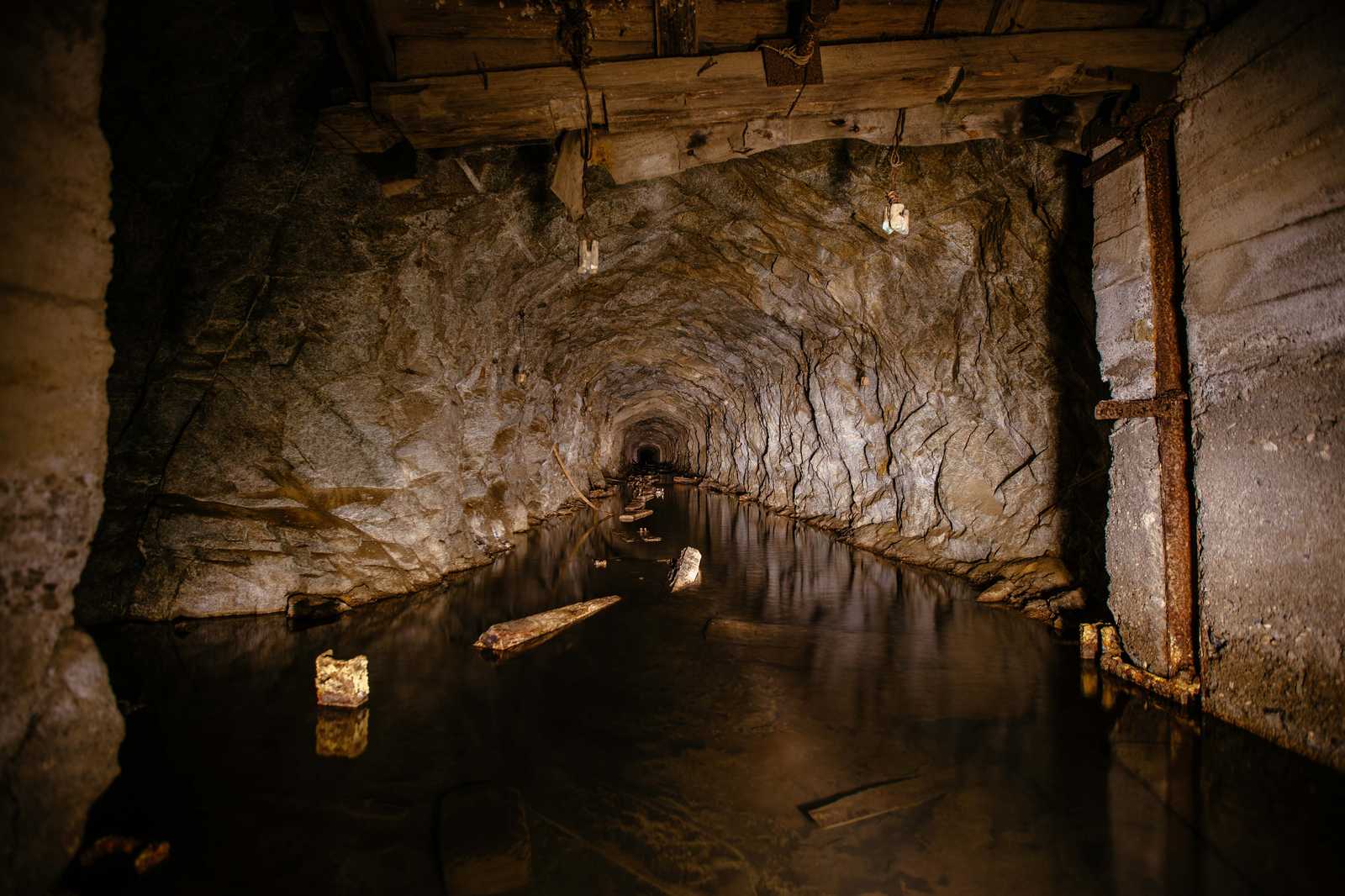
Mining rarely presents ideal pumping conditions. Water may enter from groundwater, rainfall, process activity, or unstable geological zones, and the flow can change significantly over time. In underground mines, pumps often need to move water vertically over long distances while operating in confined service areas.

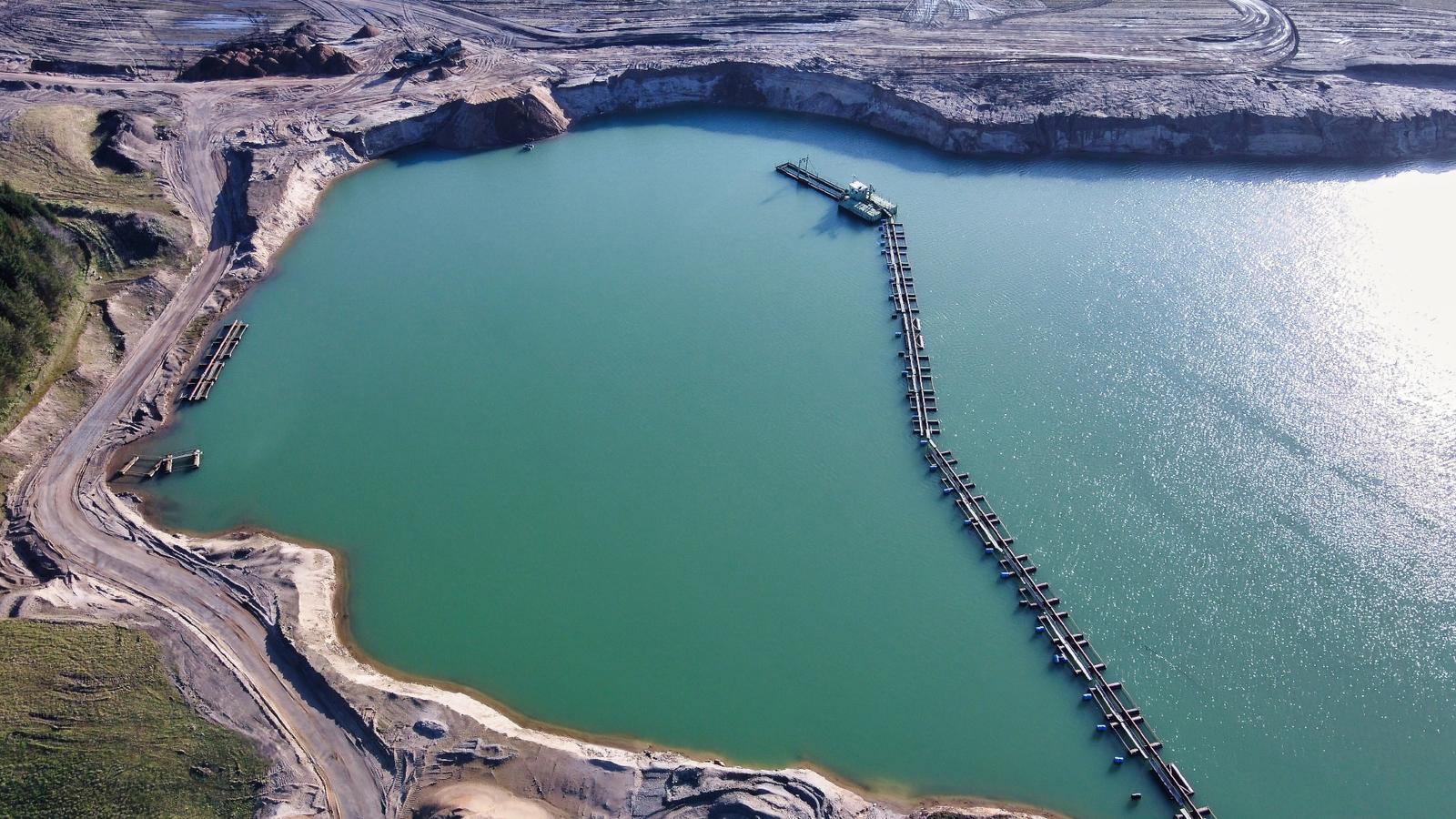
In open-pit applications, systems may need to handle high volumes across changing layouts as the mine advances. Under these conditions, dewatering pump selection is not about choosing the most familiar technology or the lowest upfront cost. It is about matching the pump to the actual duty, so it performs reliably over time.

Why Pump Selection Matters in Mine Dewatering

Mine dewatering is often defined as the removal of unwanted water, but that definition alone says very little about what makes the process successful. Dewatering only works when the selected equipment can manage the real conditions of the site. If a pump is chosen based only on nominal flow and head, without accounting for solids, wear behavior, air entrainment, or serviceability, the result may be a system that underperforms long before anyone expects it to. In mining, that gap between theoretical suitability and actual performance is often where problems begin.

Poor mine dewatering pump selection can affect much more than the pump itself. When internal components wear too quickly, maintenance intervals shorten. When pumps require frequent attention in hard-to-reach areas, labor demands rise and production can be interrupted. When equipment operates outside its most efficient range, energy use increases and the cost of continuous pumping climbs over time. In operations where water must be managed around the clock, these issues do not stay isolated for long. They begin to shape the reliability and economics of the dewatering system as a whole.

The best pump, therefore, is not necessarily the one with the highest flow rate or the most attractive price. It is the one that can operate consistently under the mine’s real conditions while supporting uptime, manageable maintenance, and efficient performance.
Understanding the Conditions Before Choosing the Pump

Any serious approach to dewatering pump selection starts with the fluid. Mine water is not always just water. It may contain sand, fines, slurry, or chemically aggressive elements that change the way pumps wear and perform. In one location, water may be relatively clean and predictable. In another, it may be abrasive enough to shorten service life dramatically if the wrong pump principle is applied. Solids content, particle hardness, viscosity, and the presence of entrained air all have a direct influence on pump behavior, especially in continuous-duty applications.

Flow requirement is equally important, but it should not be treated as a single fixed number. In mining, inflow can vary with the season, with rainfall, with blasting, and with shifts in groundwater movement. Some sites see relatively stable water levels, while others experience sharp changes that place very different demands on the dewatering system. A pump selected only for average duty may struggle during peak inflow, while an oversized pump may operate inefficiently during normal conditions. Effective mine dewatering pump selection depends on understanding that range rather than focusing too narrowly on one design point.

Hydraulic conditions also matter more than they sometimes appear to in early planning. Underground mines often require significant vertical lift, while open-pit operations may involve long horizontal runs and changing discharge requirements as the excavation expands. Static head, friction loss, discharge pressure, and pipeline design all shape the actual duty the pump must handle. A pump that can move water in principle may still be a poor choice if it cannot do so efficiently at the required pressure or if it works well only in a narrow operating window.

Maintenance access should be considered just as carefully. In mining, pumps are frequently installed in underground galleries, shafts, sumps, or remote pit areas where service is inconvenient and costly. In these environments, maintainability is not a secondary concern. It is part of performance. The easier a pump is to inspect, repair, or service in place, the more resilient the dewatering strategy becomes over time.

The Role of Different Pump Technologies

Several pump technologies are used in mine dewatering, each with strengths and limitations that depend on the application.

Centrifugal pumps are commonly used where large volumes of relatively clean water must be moved efficiently. They are familiar, widely applied, and often effective in the right conditions. However, where solids become more abrasive or the duty becomes less stable, wear can increase and performance can become less predictable. In mining, those limitations matter because the fluid is often more demanding than expected.

Selecting for the Mining Scenario, Not Just the Specification

The most effective dewatering pump selection always starts with the mining scenario rather than the catalog specification. In underground operations, water typically collects at the lowest levels and must be pumped upward against considerable head. Systems often need to run continuously, equipment may be installed in confined spaces, and access for maintenance may be limited. Under those conditions, pump reliability becomes directly linked to production reliability. If dewatering stops, access to active workings can be affected quickly. That is why underground pump selection places so much emphasis on pressure capability, wear resistance, maintainability, and uptime.

Read More About Mine Dewatering