Products
Pumps
Pump Systems
Digital Solutions
Shredding Systems
Applications
Environmental Technology
Biogas Handling
Mining and Mineral Processing
Food and Beverage Industry
Oil, Gas and Petrochemicals
Pulp & Paper Industry
Additional Industries
Media
News
Fairs and Events
Downloads
Videos
Knowledge on Demand
SEEPEX Technologies
Security Publications
Services
SEEPEX Care Service Programs
Original Parts
Commissioning
24-Hour Helpline
Services
Company
About SEEPEX
Career
Locations
Build America, Buy America

Water is one of the most persistent challenges in mining. When left unmanaged, water ingress can flood working areas, halt production, and block access to ore. 

Effective mine dewatering keeps operations running safely and continuously — but the conditions are demanding. Abrasive solids, variable flow, long pumping distances, and limited maintenance access. The right dewatering systems and pump technology make the difference between costly downtime and reliable, uninterrupted extraction.

Why Water Management Matters in Mining

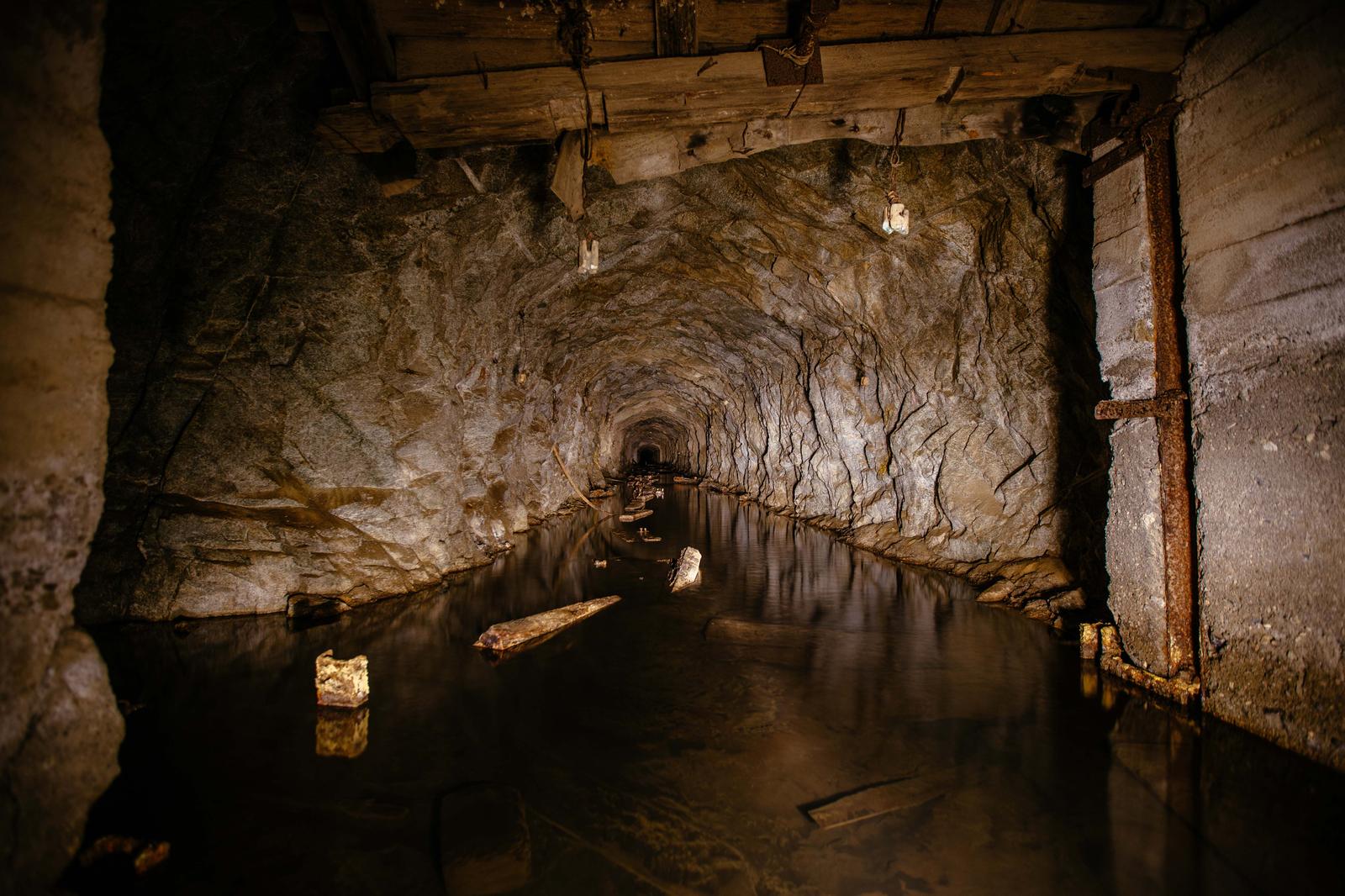
Water enters mines from every direction. Groundwater seeps through rock formations. Rainfall collects in open pit excavations. Process water accumulates in underground sumps.

Uncontrolled water inflow leads to flooded tunnels, unstable pit walls, damaged equipment, and unsafe working conditions for personnel. As mines expand and go deeper, the challenge intensifies — higher water levels, greater volumes, and more complex geological conditions all demand a more robust dewatering strategy.

That is why water management is not an afterthought in mining — it is a critical operational function that directly impacts safety, productivity, and long-term success.
What Is Mine Dewatering?

Mine dewatering is the process of removing excess water from a mine to maintain safe, dry, and productive working areas. It encompasses a range of dewatering techniques designed to control and redirect water away from active mining zones.

Water sources in mines typically include natural groundwater reserves below the surface, rainfall entering open pit operations, water used during ore processing and washing, and unexpected underground water sources linked to local geological conditions.

Common dewatering applications include draining underground collection points and sumps, removing groundwater from around working faces, controlling water levels in open pits, preventing flooding during seasonal or weather-related surges, and managing water inflow from geological faults or aquifers.

Without continuous and effective mine dewatering, many operations would face repeated shutdowns. The goal is simple: keep working areas dry so extraction never stops.

Read More About Mine Dewatering

Why Effective Dewatering Is Critical for Production

Water does not just slow mining operations — it can bring them to a complete halt. Poor water removal creates a cascade of problems that directly impact the bottom line.

Flooded tunnels and pits cut off access to ore bodies. Equipment submerged in water suffers accelerated corrosion and mechanical failure. Workers cannot operate safely in waterlogged environments. Unplanned downtime drives up costs, delays schedules, and erodes profitability.

Effective mine dewatering addresses all of these risks. By maintaining reduced water levels in active mining areas, operators ensure continuous ore access, protect their equipment investment, and provide safe working conditions for their teams. In short, the quality of your dewatering directly determines the reliability of your production.

Common Challenges in Mine Dewatering

Mine water frequently carries sand, grit, fine particles, and slurry. This solid-laden media is highly abrasive and can wear down pump components and pipelines rapidly. Pumps that are not engineered for abrasive service will fail prematurely, driving up replacement costs and maintenance frequency.

Underground vs. Open Pit Dewatering: Different Challenges, Different Approaches

Underground Mining

In underground operations, water collects at the lowest levels of the mine and must be pumped upward — often against a significant vertical head. Continuous pumping is essential to prevent flooding of active workings. Equipment must be compact enough to fit in confined spaces, yet powerful enough to move large volumes of water at high pressure. Removing groundwater from deep formations requires dewatering systems that operate reliably around the clock with minimal intervention.

Open Pit Mining

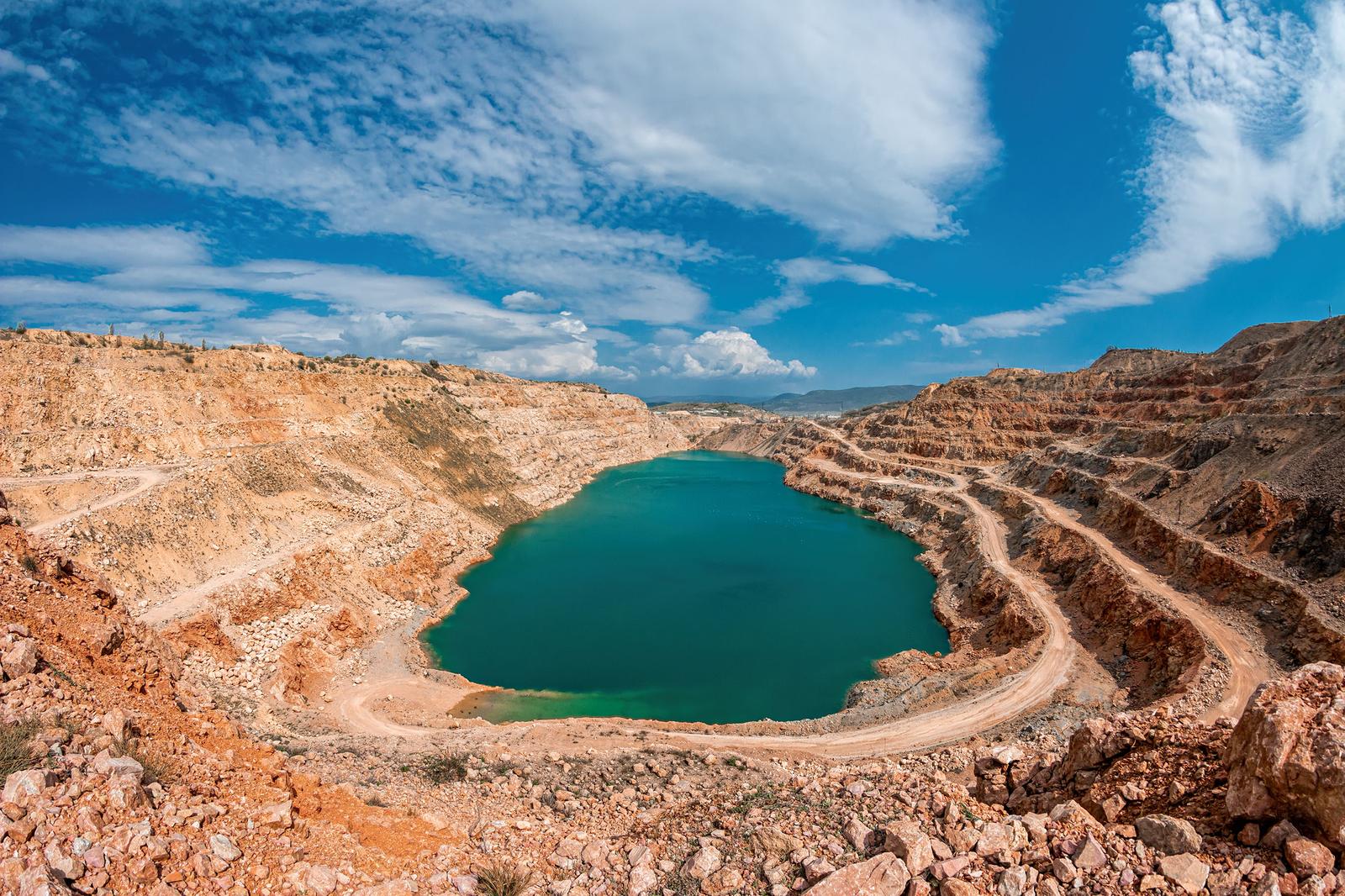
Open pit dewatering focuses on controlling both surface water and groundwater to keep excavation areas dry. Operators must manage seasonal rainfall, surface runoff, and lateral water ingress from surrounding aquifers. Wellpoint systems and perimeter dewatering wells are commonly used to lower the water table around the pit. The challenge lies in handling variable conditions — weather patterns, changing geological conditions, and expanding pit geometry — while ensuring that water levels remain safely below the working bench.


Real-World Scenario: Solving a Typical Dewatering Challenge

Consider a deep underground mine facing continuous water inflow from surrounding aquifers. The water is laden with abrasive solids and must be pumped several hundred meters to the surface. Submersible pumps installed in the main sump struggle with wear and require frequent replacement. Production is interrupted every time a pump is pulled for maintenance.

To solve this, the operator selects progressive cavity pumps engineered for abrasive service and high-pressure operation. The pumps deliver consistent water removal at the required flow rate, handle the solids without accelerated wear, and — critically — are designed for in-situ maintenance, allowing rotor and stator replacement without disconnecting pipework or removing the pump from its baseplate.

The result: reduced water-related downtime, lower maintenance costs, safer working conditions, and continuous ore access. The exact configuration depends on the mine — but the principle is clear: the right pump technology, correctly applied, transforms dewatering from a recurring problem into a reliable process.

Reliable Dewatering Supports Continuous Production

Mine dewatering is not a secondary concern — it is the foundation of safe, efficient, and uninterrupted mining operations. As mines go deeper, expand into more complex geological conditions, and face increasing pressure to reduce costs and environmental impact, water management becomes even more critical.

Understanding the specific challenges of your operation — from water ingress and variable water levels to abrasive solids and long pumping distances — is the first step toward selecting dewatering techniques that deliver long term success. The right combination of technology, engineering, and operational intelligence keeps production running and more accessible.

Read More About Mine Dewatering