Products
Pumps
Pump Systems
Digital Solutions
Shredding Systems
Applications
Environmental Technology
Biogas Handling
Mining and Mineral Processing
Food and Beverage Industry
Oil, Gas and Petrochemicals
Pulp & Paper Industry
Additional Markets
Media
News
Fairs & Events
Downloads
Videos
Knowledge on Demand
SEEPEX Technologies
Security Publications
Services
SEEPEX Care Service Programs
Original Parts
Commissioning
24-Hour Helpline
Technical Basic Pump Training
Services
Company
About SEEPEX
Career
Locations

Comparing progressive cavity and submersible pumps in mining only becomes useful once the comparison moves beyond product type and into operating reality. Both technologies are established in the industry, and both can perform well when matched to the right duty. The difficulty is that they respond very differently once conditions become more abrasive, pressure requirements increase, or maintenance access becomes less forgiving.

In those situations, the question is no longer which pump can move water. It is which pump can keep doing it with the least disruption to the operation. The question at this stage is more practical: where does a submersible pump remain the sensible choice, and at what point does a progressive cavity pump become the better fit? The answer depends less on preference than on how the duty behaves in the field.

The Difference Starts with the Pumping Principle

The contrast between these technologies begins with the way they move fluid. A submersible pump is designed to operate while fully immersed, which makes it a practical solution where water collects in sumps, flooded zones, or localized low points. Its appeal is obvious: the installation is compact, the arrangement is familiar, and the pump can often be deployed quickly where drainage is needed.


A progressive cavity pump works differently. It is designed to move fluid through cavities formed between the rotor and stator, which produces a controlled and continuous flow. That operating principle tends to matter more as the fluid becomes harder to handle. Where solids increase, where flow stability matters more, or where the pump is expected to perform under more demanding discharge conditions, the difference in pumping principle becomes much more than a technical detail. It begins to influence wear, maintenance, and long-term reliability in a very practical way.
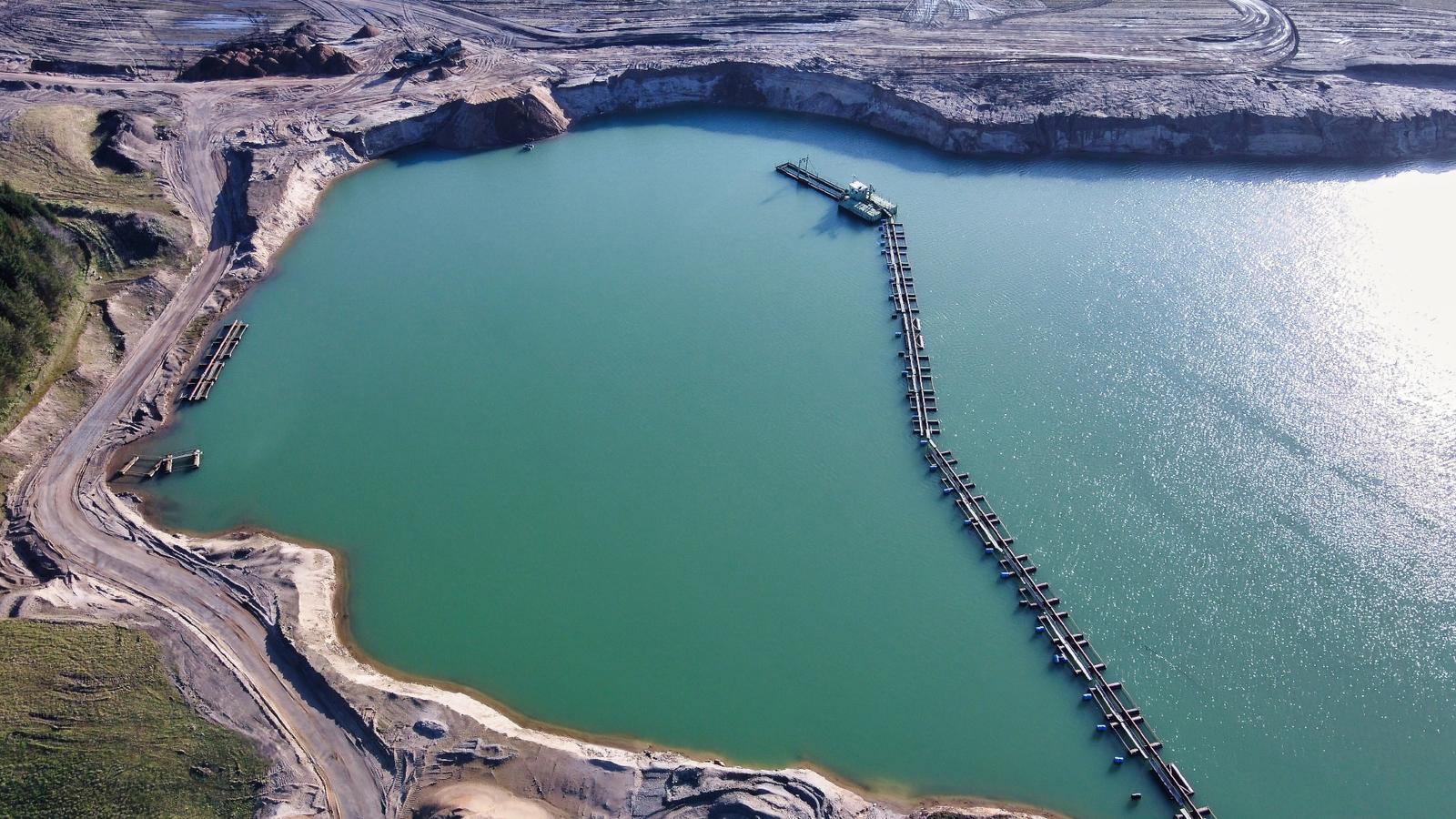
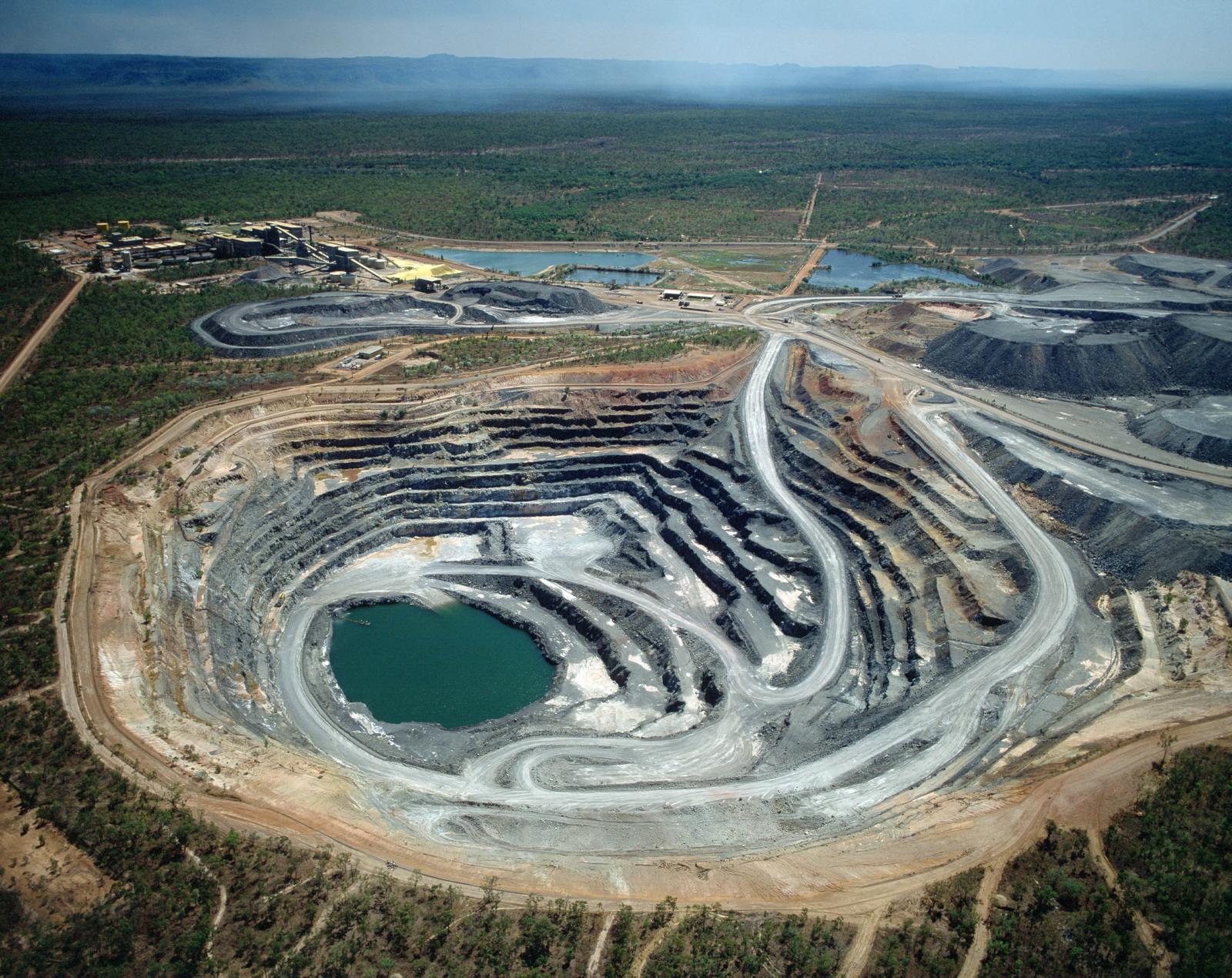
Mining area with water accumulation

Underground Mine Dewatering Pumps: What Really Matters

Learn what really matters when selecting underground mine dewatering pumps, from pressure and solids handling to underground pump maintenance, uptime, and long-term reliability.

Where Submersible Pumps Retain a Clear Advantage

Submersible pumps continue to make sense where simplicity and deployment speed are the main priorities. In localized drainage duties, particularly where the water is relatively manageable and the installation does not require extensive infrastructure, they remain an effective and often economical solution. Their compact design and direct placement in the fluid make them well suited to applications where the objective is immediate removal rather than a more engineered long-term response.

That practical value should not be understated. In mining, there are many situations where a submersible pump is the right answer precisely because the duty does not justify a more involved solution. If the fluid is not especially aggressive, if the pumping requirements are straightforward, and if service access is manageable, a submersible pump can do the job well. The problem is not with the technology itself. The problem begins when its apparent simplicity is assumed to hold up unchanged as the duty becomes more difficult.

Where the Comparison Starts to Shift

The comparison begins to move in a different direction once the conditions become less forgiving. Abrasive fines, unstable inflow, more demanding discharge requirements, and restricted maintenance access all place greater emphasis on how the pump behaves over time rather than how easily it can be installed on day one. This is usually the point at which the differences between progressive cavity and submersible pumps become more visible.

A submersible pump can still function in these conditions, but the operating burden often becomes heavier. Wear may increase more quickly than expected. Retrieval for service may become a recurring interruption. What initially looked like a straightforward pumping solution can gradually become a maintenance issue that shapes the wider economics of the dewatering system. In mining, that distinction matters because a pump rarely exists in isolation. Its maintenance demand affects labor, access planning, and uptime around it.

Progressive cavity pumps become more relevant at exactly this point. As the duty becomes more abrasive, more pressure-sensitive, or more maintenance-dependent, their advantages are less theoretical and more operational. They are not simply alternative technology. In the right conditions, they become a way of managing the duty with greater consistency and less disruption.

Solids Handling Is Often the Real Turning Point

In many mining applications, the choice between these technologies is decided less by nominal capacity than by solids. Cleaner water tends to reduce the gap between pump types. Abrasive mine water widens it. Once solids become a regular part of the duty rather than an occasional complication, the practical suitability of the pump changes.

This is one of the reasons progressive cavity pumps are often favored in harder dewatering environments. Their ability to handle more difficult media with a stable flow can make them a stronger long-term fit where abrasive wear is one of the main causes of downtime. In that context, the benefit is not simply that the pump can tolerate solids. It is that the overall dewatering process becomes less vulnerable to the kind of wear-related instability that drives repeated intervention.

Submersible pumps can still be used in abrasive conditions, but the balance of advantage begins to move once wear becomes a defining cost. At that point, the question is no longer whether a submersible pump can do the job. It is whether it can do it with the level of service life and predictability the operation requires.

Maintenance Burden Tells a More Honest Story Than Installation Simplicity

One of the easiest mistakes in pump comparison is to give too much weight to installation convenience and too little to maintenance behavior. A submersible pump can look like the simpler option because it is compact and direct in its arrangement. In a less demanding application, that is often true. In a more demanding one, the real comparison only becomes visible after the pump has been operating for some time.

If service requires repeated retrieval, handling, and reinstallation, the practical cost of simplicity changes. That is especially true in underground or otherwise restricted locations, where maintenance is never just a workshop exercise. It affects time, access, labor, and operating continuity. In these situations, the value of a pump that supports a more manageable maintenance strategy becomes much clearer.

Progressive cavity pumps tend to benefit from that comparison where uptime matters as much as hydraulic performance. Their value is not only in how they pump, but in how they fit into the life of the application. In mining, that often matters more than the neatness of the initial installation.

Pressure and Flow Stability Change the Decision Again

Pressure is another point where the comparison often becomes less balanced. Submersible pumps are frequently well suited to more straightforward drainage tasks, especially where direct removal from a sump or flooded area is the main objective. Progressive cavity pumps become more compelling where the duty demands a steadier response across changing discharge conditions or where the pump must support a more controlled flow under pressure.

This distinction becomes important because many mining applications do not remain hydraulically simple. The duty may evolve. Pipe runs may change. The required response may become less about clearing water quickly and more about maintaining a dependable transfer under less predictable conditions. Where that happens, progressive cavity pumps often begin to make more sense not because they are universally better, but because the duty itself has changed in a direction that suits them more clearly.

Which One Fits the Duty Better?

For a mine operator in the middle of the decision process, the most useful question is not which technology is better in general. It is which one fits the duty better once the real operating conditions are taken seriously. If the application is localized, relatively accessible, and not especially aggressive, a submersible pump may remain the practical choice. If the duty involves abrasive solids, more difficult maintenance conditions, or a stronger need for flow stability and long-term reliability, the case for a progressive cavity pump becomes much stronger.

Read More About Mine Dewatering