Products
Pumps
Pump Systems
Digital Solutions
Shredding Systems
Applications
Environmental Technology
Biogas Handling
Mining and Mineral Processing
Food and Beverage Industry
Oil, Gas and Petrochemicals
Pulp & Paper Industry
Additional Markets
Media
News
Fairs & Events
Downloads
Videos
Knowledge on Demand
SEEPEX Technologies
Security Publications
Services
SEEPEX Care Service Programs
Original Parts
Commissioning
24-Hour Helpline
Technical Basic Pump Training
Services
Company
About SEEPEX
Career
Locations

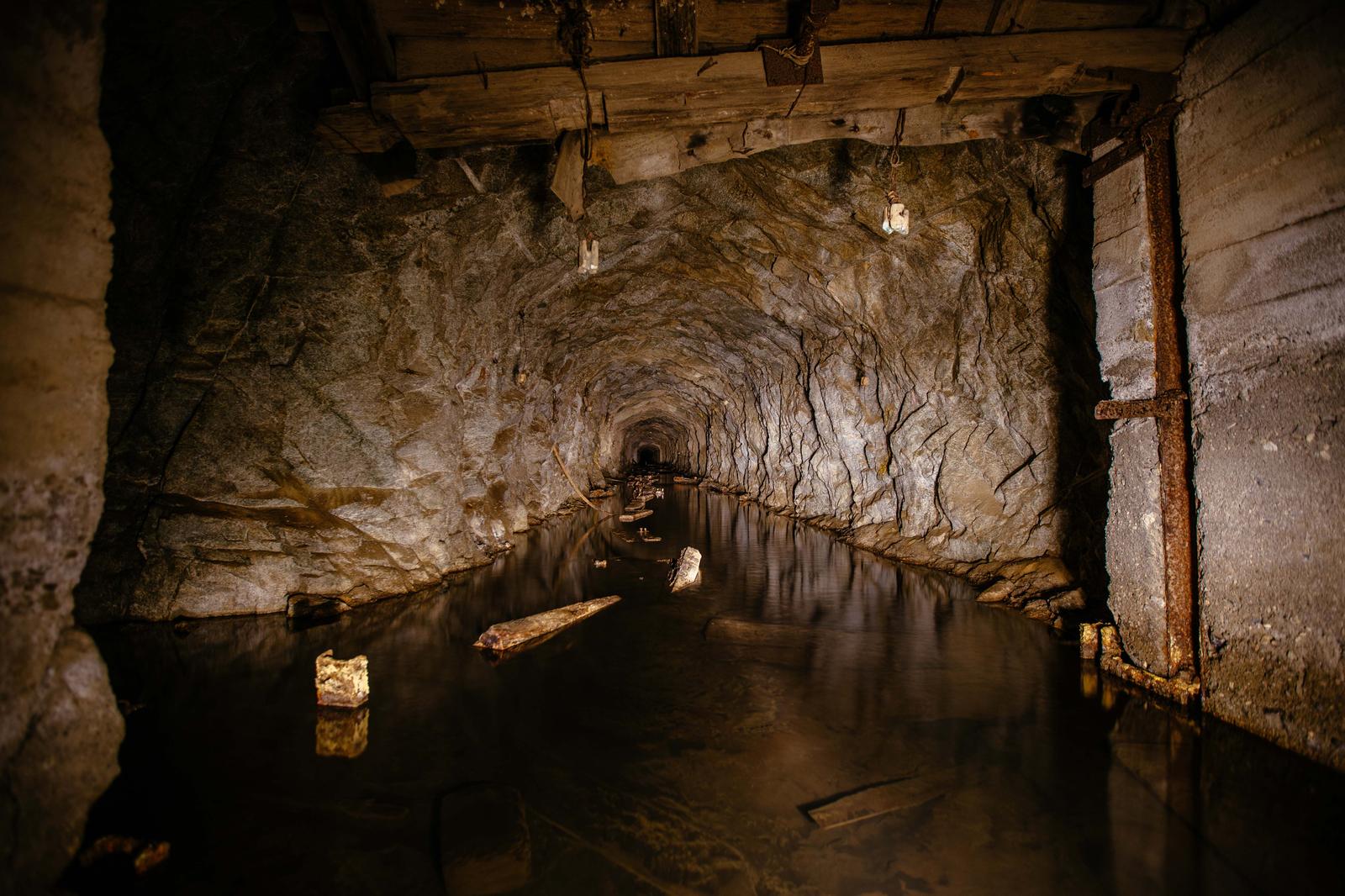
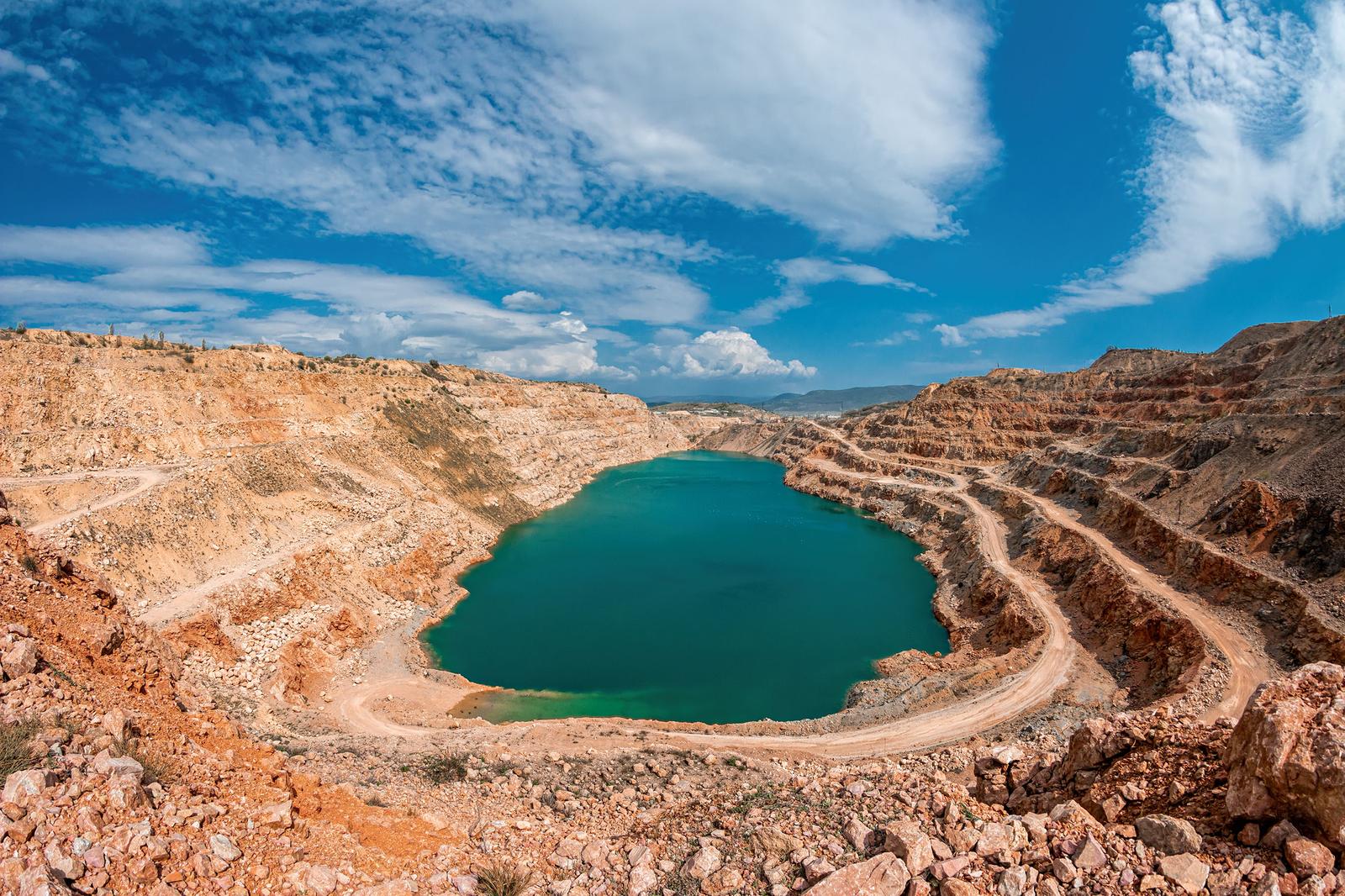
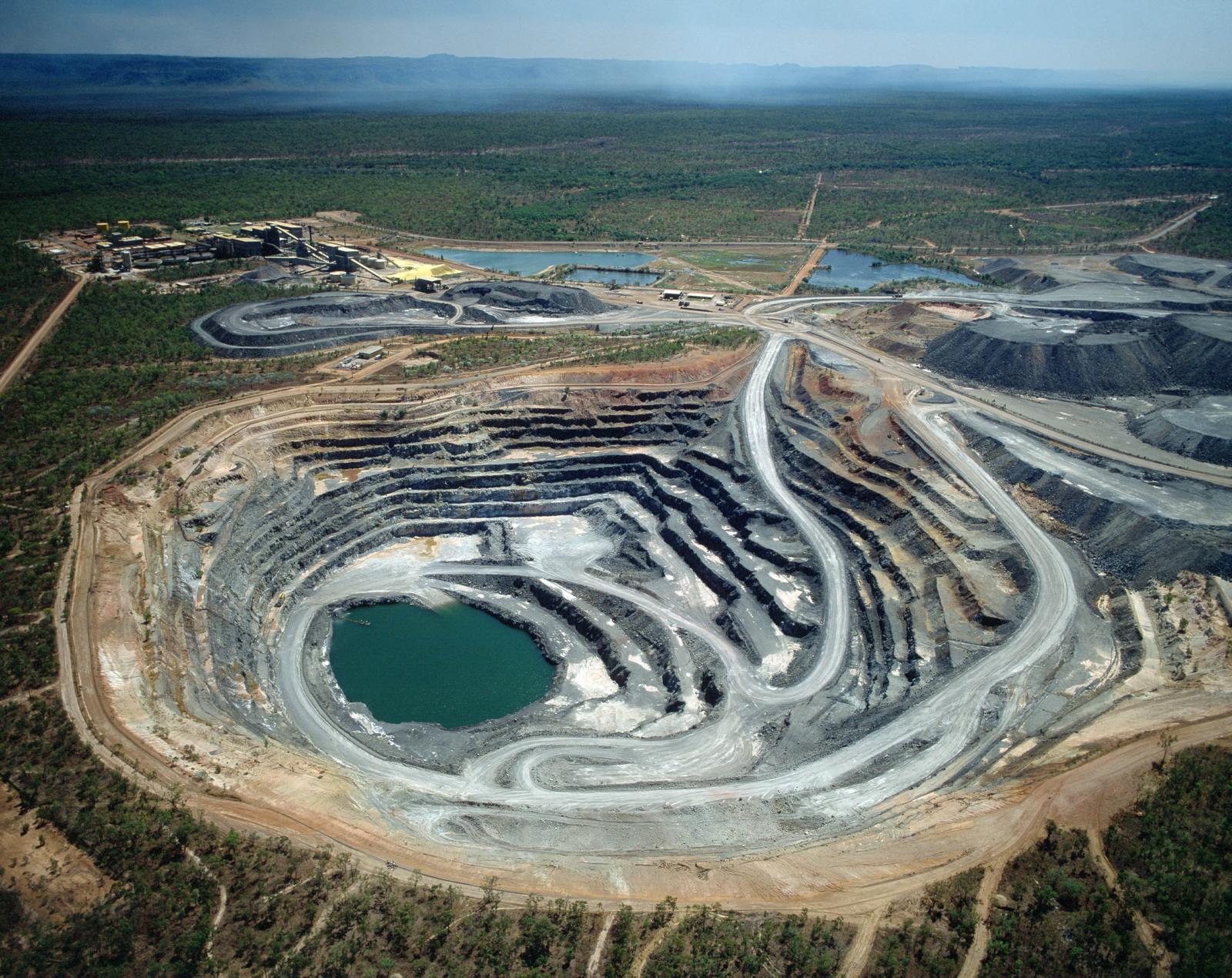
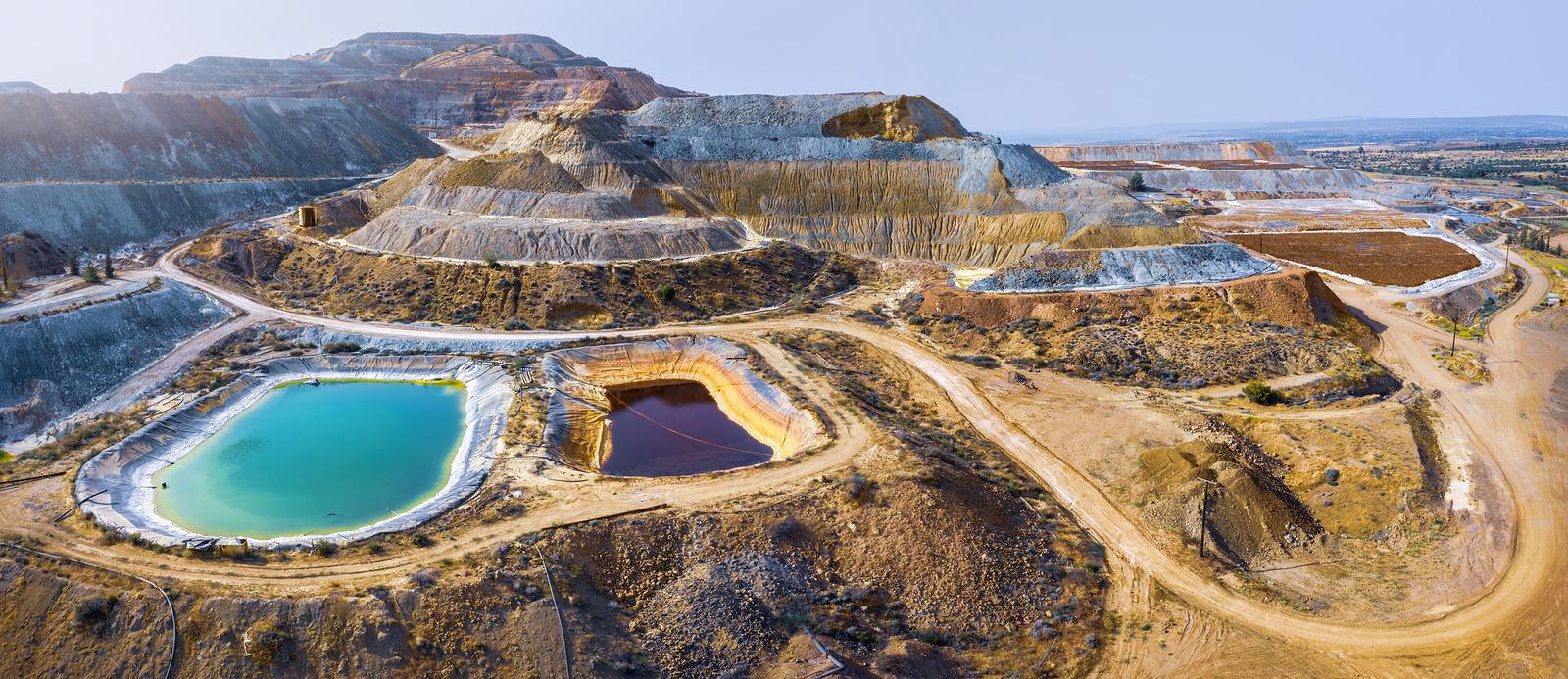
Ore access is rarely lost all at once. In most mining operations, it narrows gradually as water begins to interfere with the parts of the mine that need to stay reliable. Working areas become harder to maintain, conditions recover more slowly, and more time is spent protecting access than using it.

By the time the problem is obvious across the site, production has already been affected. That is why water management should not be seen as a background utility issue. In practice, it is one of the conditions that determines whether ore can be reached consistently and efficiently.


The question is what kind of dewatering specification is least likely to let water become a production constraint. A pump can meet a duty point on paper and still prove to be the wrong choice once abrasive solids, continuous operation, and service disruption begin to shape the real conditions underground or in the pit.

Water Starts Limiting Access Before It Stops Production

The first signs are rarely dramatic. More often, water begins by reducing operating freedom. Development slows because areas take longer to recover. Working zones become less dependable. Crews spend more time dealing with water than they should. The mine is still running, but with less consistency, less flexibility, and less confidence than normal.

That is what makes poor water management so costly. It does not need to shut down the entire mine to interfere with production. It only needs to affect the points where the operation depends on stable access. Once those points become less reliable, ore access begins to narrow in practical terms. The cost is then measured not only in pumping effort, but in lost time, reduced uptime, and growing pressure on the operating teams.

This is where the core promise for the application becomes very clear: keep mining, not pumping water. A strong dewatering setup keeps water in the background. A weak one forces the operation to keep reacting to it.
Water Starts Limiting Access Before It Stops Production

The first signs are rarely dramatic. More often, water begins by reducing operating freedom. Development slows because areas take longer to recover. Working zones become less dependable. Crews spend more time dealing with water than they should. The mine is still running, but with less consistency, less flexibility, and less confidence than normal.

That is what makes poor water management so costly. It does not need to shut down the entire mine to interfere with production. It only needs to affect the points where the operation depends on stable access. Once those points become less reliable, ore access begins to narrow in practical terms. The cost is then measured not only in pumping effort, but in lost time, reduced uptime, and growing pressure on the operating teams.

This is where the core promise for the application becomes very clear: keep mining, not pumping water. A strong dewatering setup keeps water in the background. A weak one forces the operation to keep reacting to it.
The Real Problem Is Usually Operational, Not Hydraulic

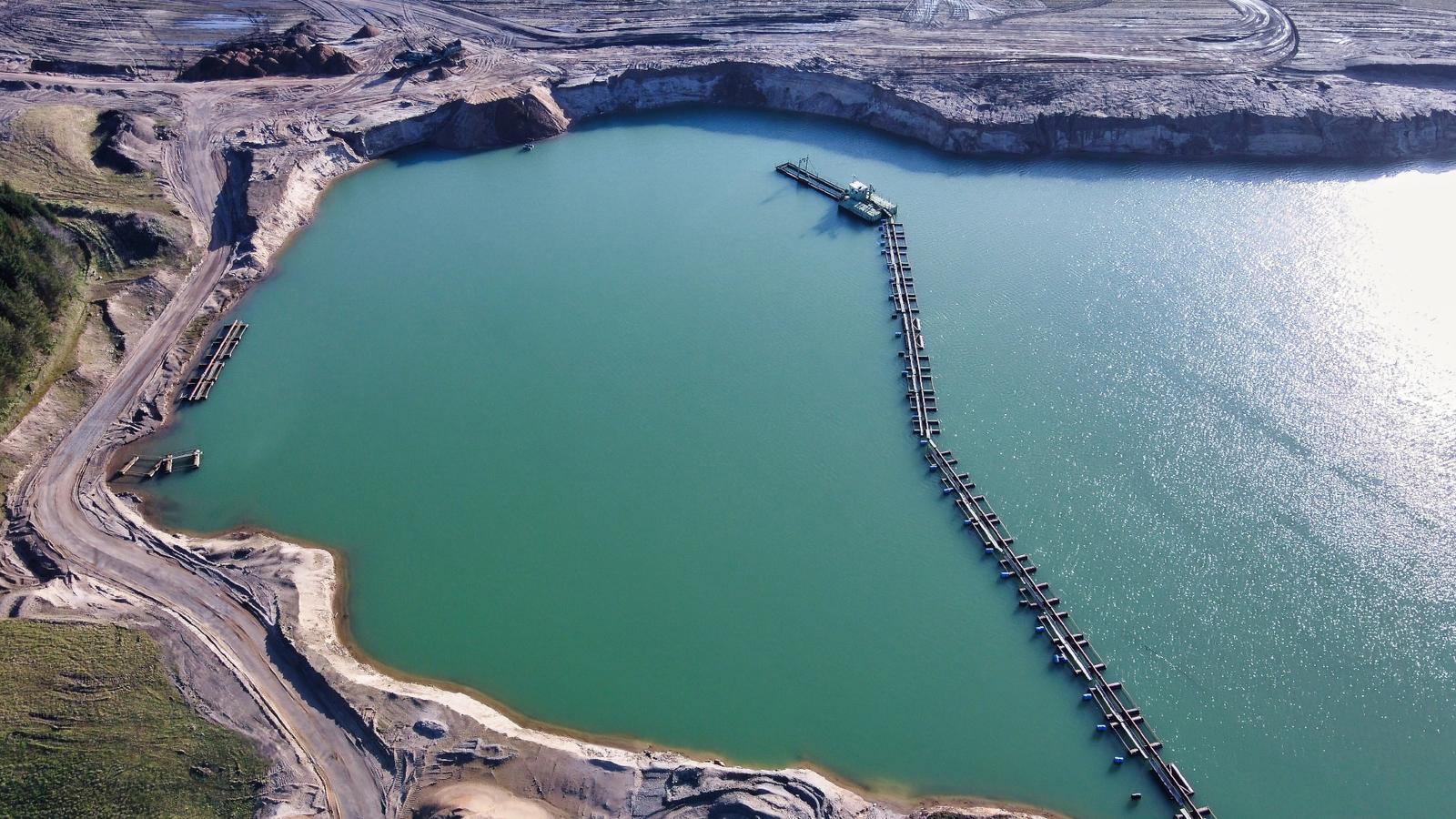
By the time a site is evaluating equipment, the deciding issue is rarely whether a pump can move water at a given duty point. In most cases, the more important question is what kind of burden that pump will create once it is installed. Mine water is rarely clean. It often contains abrasive fines, solids, or sludge, and the duty rarely remains fixed for long. Flow conditions shift, wear becomes part of everyday operation, and maintenance can be more disruptive than expected.

That is why water management has such a direct effect on ore access. If the dewatering line demands too much attention, if wear shortens service intervals, or if service repeatedly takes critical parts of the system offline, the operation loses flexibility. Water is still being removed, but not without pulling time, labor, and reliability away from production. At that point, the issue is no longer just dewatering performance. It is whether the pumping arrangement is supporting ore access or quietly restricting it.

The Specification Needs to Protect Uptime

In many mines, a dewatering interruption does not stay limited to the pump itself. It affects the workings, routes, or production areas that depend on that line staying active. That is why uptime matters as much as hydraulic performance. A pump can be technically capable and still be the wrong specification if it creates too much wear, too many interventions, or too much disruption over time.

The better specification is usually the one that removes water without constantly pulling the operation back into water-handling mode. Mines should not be giving more attention to the dewatering line than to the work it is there to protect. Once that balance begins to shift, water management is already starting to limit ore access.

This is also where the specification conversation becomes more precise. The right question is not simply which pump can handle the medium. It is which pump can do so while protecting uptime, controlling maintenance effort, and reducing the risk that dewatering becomes a bottleneck.

Where SEEPEX Solutions Begin to Fit

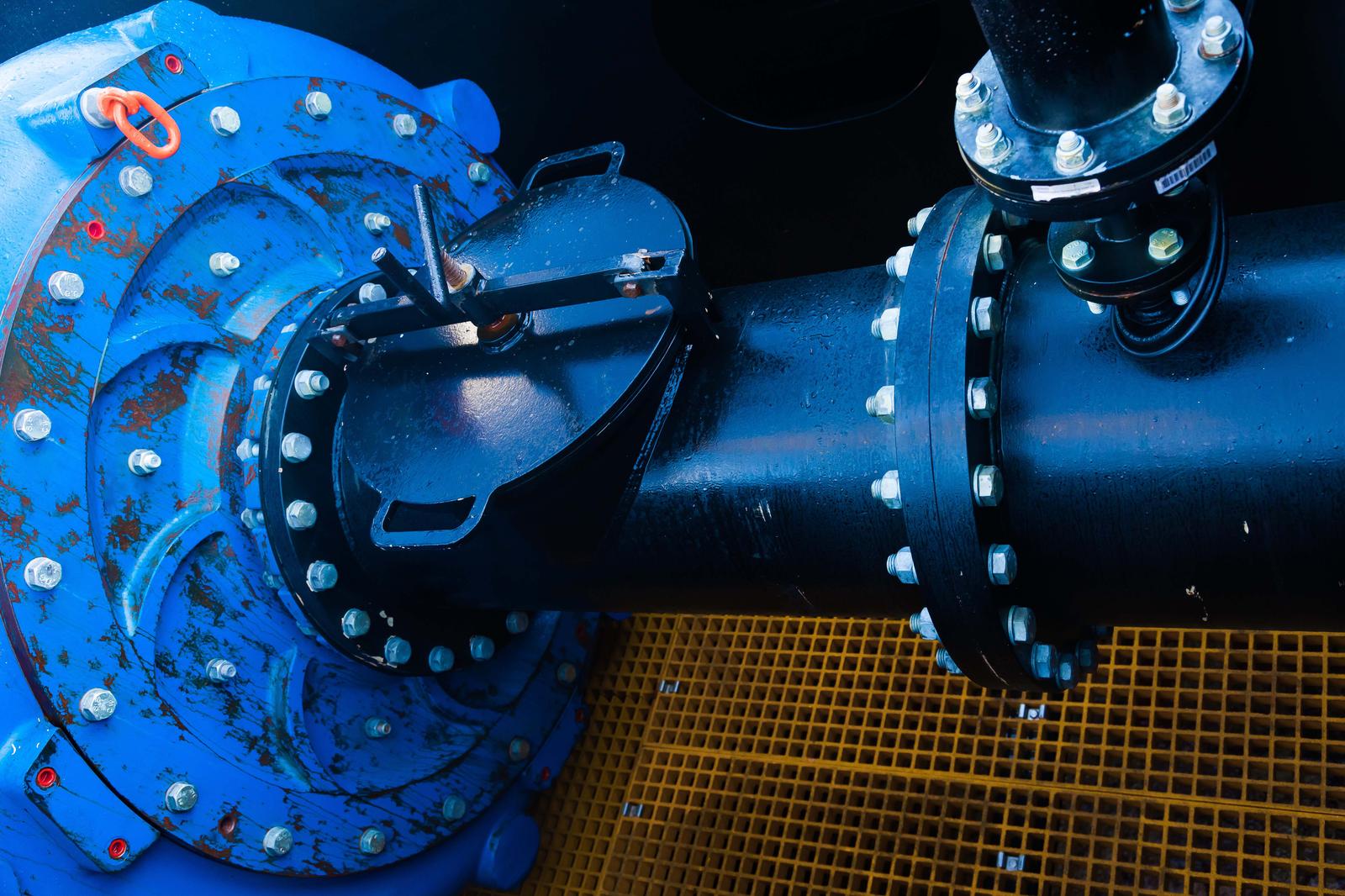
This is the point where SEEPEX solutions enter the conversation. The BN pump is the broad starting point because it offers a compact progressive cavity pump design for media with and without solids, making it a practical option where installation flexibility and solids tolerance matter. In mining terms, it fits where the dewatering line needs to stay adaptable without becoming overcomplicated.

The BNM range becomes more relevant when the duty is larger, and availability becomes harder to compromise. Its Maintain in Place design is especially meaningful in applications where service disruption has a direct effect on uptime. In those parts of the system, the issue is often not whether the pump can move the water, but how disruptive the pump becomes once maintenance enters the picture. That is exactly where BNM starts to make more sense.

The SCT range becomes especially relevant when maintenance time is already affecting production continuity. Where the real problem is not only wear, but the time and disruption associated with service, SCT addresses the point more directly. In that kind of duty, faster maintenance is not just a service advantage. It is part of how the mine protects ore access and keeps dewatering from slowing down the operation around it.

Seen that way, the products are not there to dominate the decision. They are there to answer the point at which water management begins to interfere with production. That is the moment where specification becomes less about general pump choice and more about choosing a solution that is built to reduce interruption.

Keep Mining, Not Pumping Water

At this stage, the issue is not whether water management can limit ore access. It clearly can. The real question is how to specify a dewatering solution that is less likely to let that happen. That means looking beyond nominal duty and focusing instead on uptime, wear, service burden, and the practical reality of keeping the mine accessible over time.

If the site needs a compact and flexible progressive cavity pump, BN is a sensible place to begin. If the duty is larger and system availability matters more, BNM becomes more compelling. If maintenance time is already undermining uptime, SCT deserves close attention because it speaks directly to that operational pain point.

That is where the SEEPEX promise is strongest in this application: keep mining, not pumping water. The point is not simply to remove water. It is to keep water from absorbing the time, effort, and reliability that should be going into mining.

Read More About Mine Dewatering