Why Underground Mine Dewatering Is Different
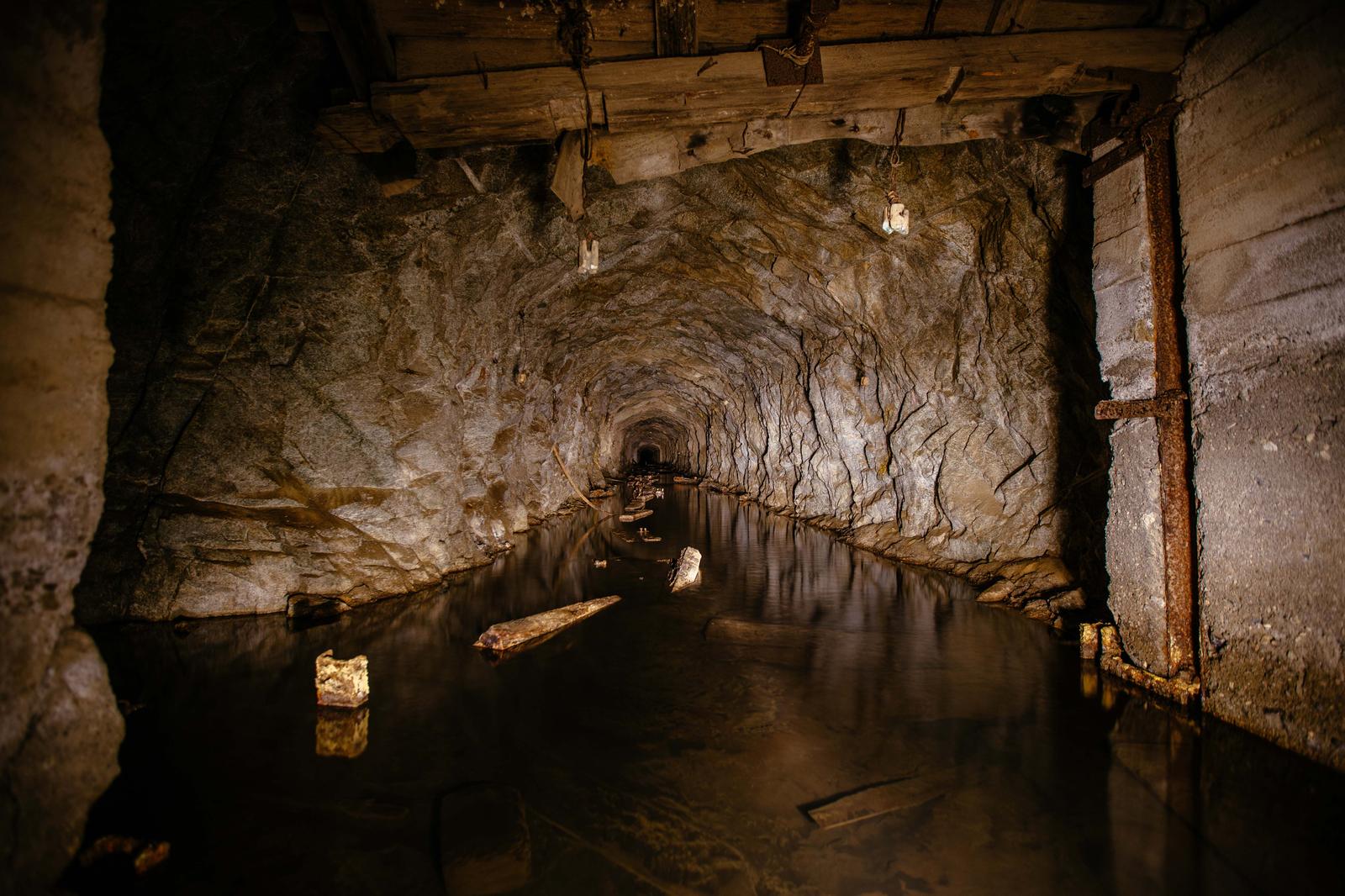
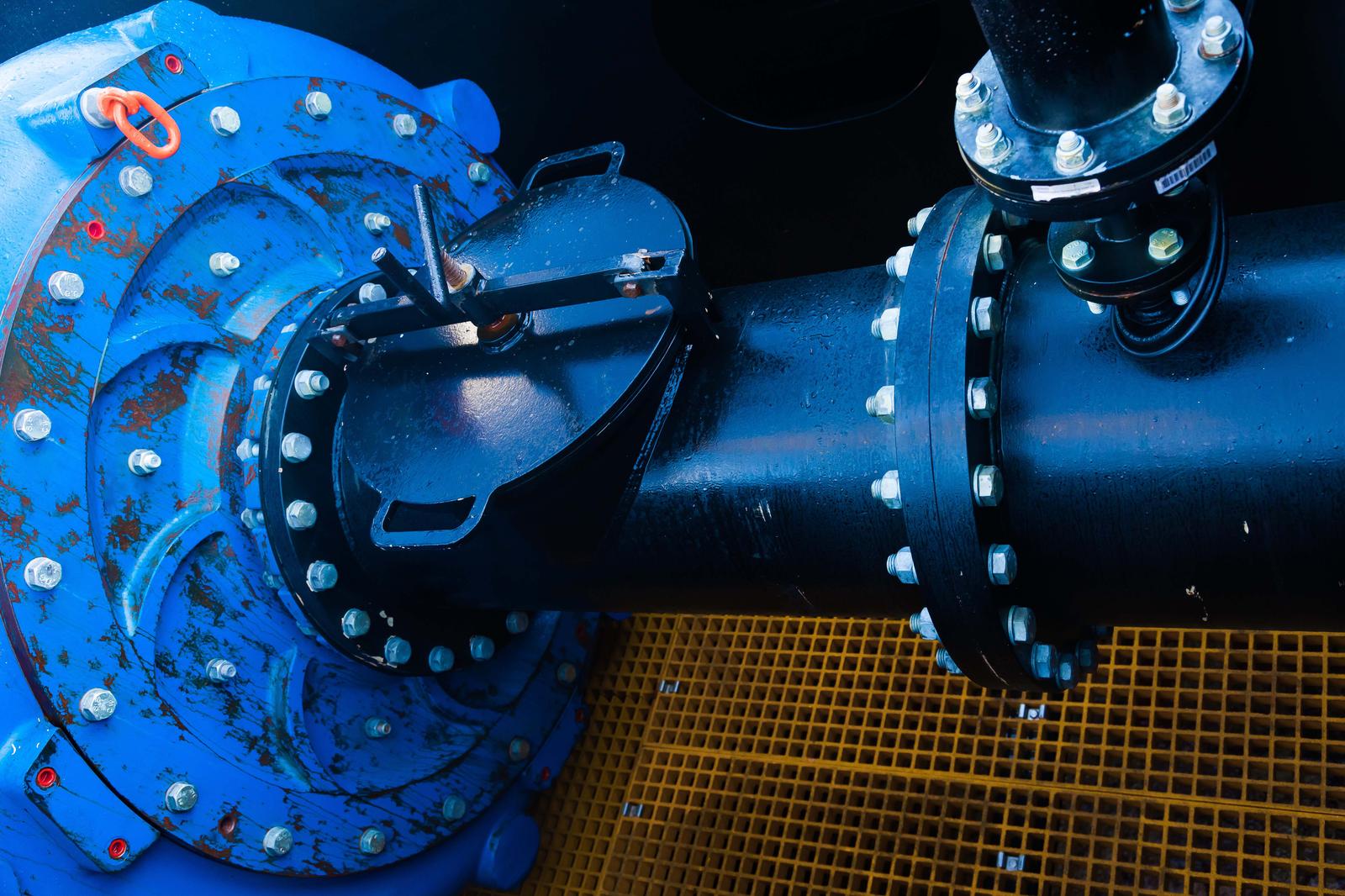
The demands placed on dewatering pumps for underground mines are very different from those in open-pit operations. In an underground mine, water usually collects at the lowest levels of the workings and must be lifted vertically to the surface or to a higher discharge point. That lift creates substantial pressure requirements, especially in deeper operations where the system must overcome not only static head but also friction losses across long pipe runs. In practical terms, this means underground mine dewatering pumps are often asked to do more than simply move large volumes of water. They must deliver dependable performance under high-pressure conditions over long operating periods.
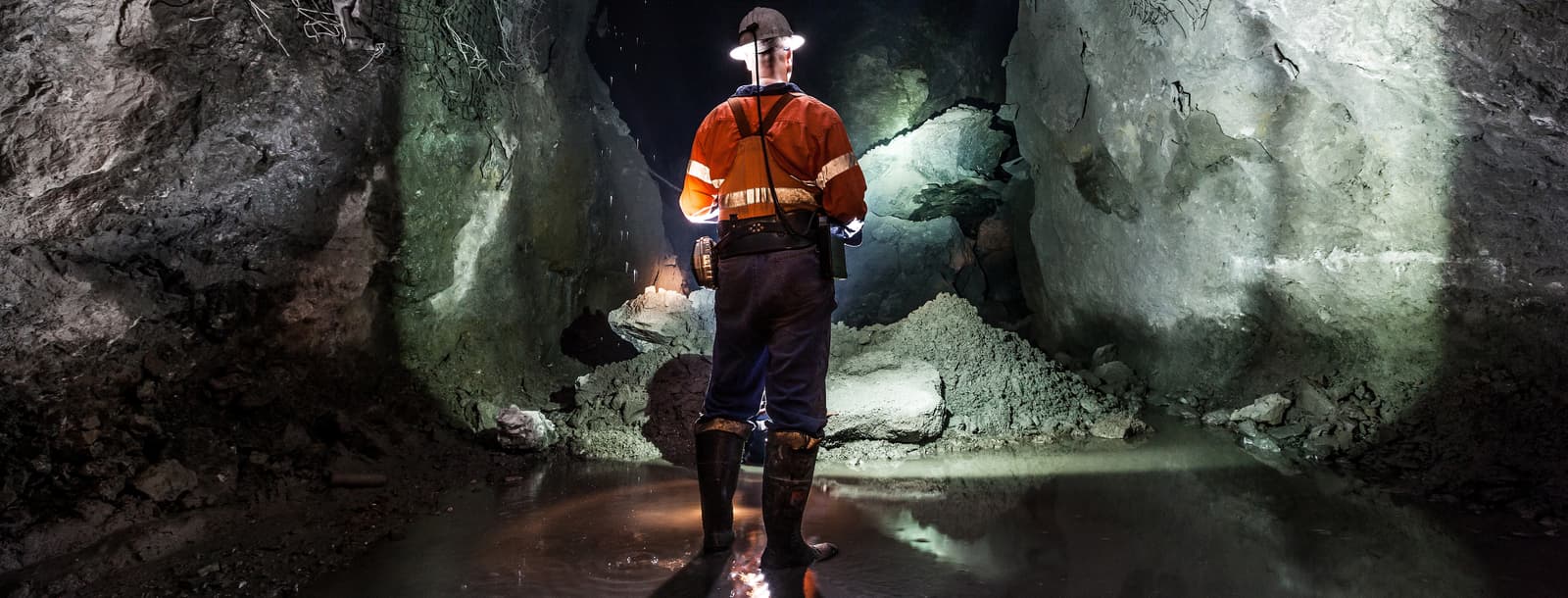
The underground environment also changes the way pump performance should be evaluated. Installations are often placed in shafts, sumps, galleries, or lower-level pump chambers where space is limited and access is restricted. A pump that may seem acceptable in a more accessible application can become far less attractive once maintenance must be carried out below ground. In this setting, underground pump maintenance is not a minor operational detail. It is one of the key factors that shapes the long-term practicality of the entire system. That is why underground mine dewatering requires a more complete view of performance—one that includes pressure capability, solids handling, wear behavior, serviceability, and uptime.