Products
Pumps
Pump Systems
Digital Solutions
Shredding Systems
Applications
Environmental Technology
Biogas Handling
Mining and Mineral Processing
Food and Beverage Industry
Oil, Gas and Petrochemicals
Pulp & Paper Industry
Additional Markets
Media
News
Fairs & Events
Downloads
Videos
Knowledge on Demand
SEEPEX Technologies
Security Publications
Services
SEEPEX Care Service Programs
Original Parts
Commissioning
24-Hour Helpline
Technical Basic Pump Training
Services
Company
About SEEPEX
Career
Locations

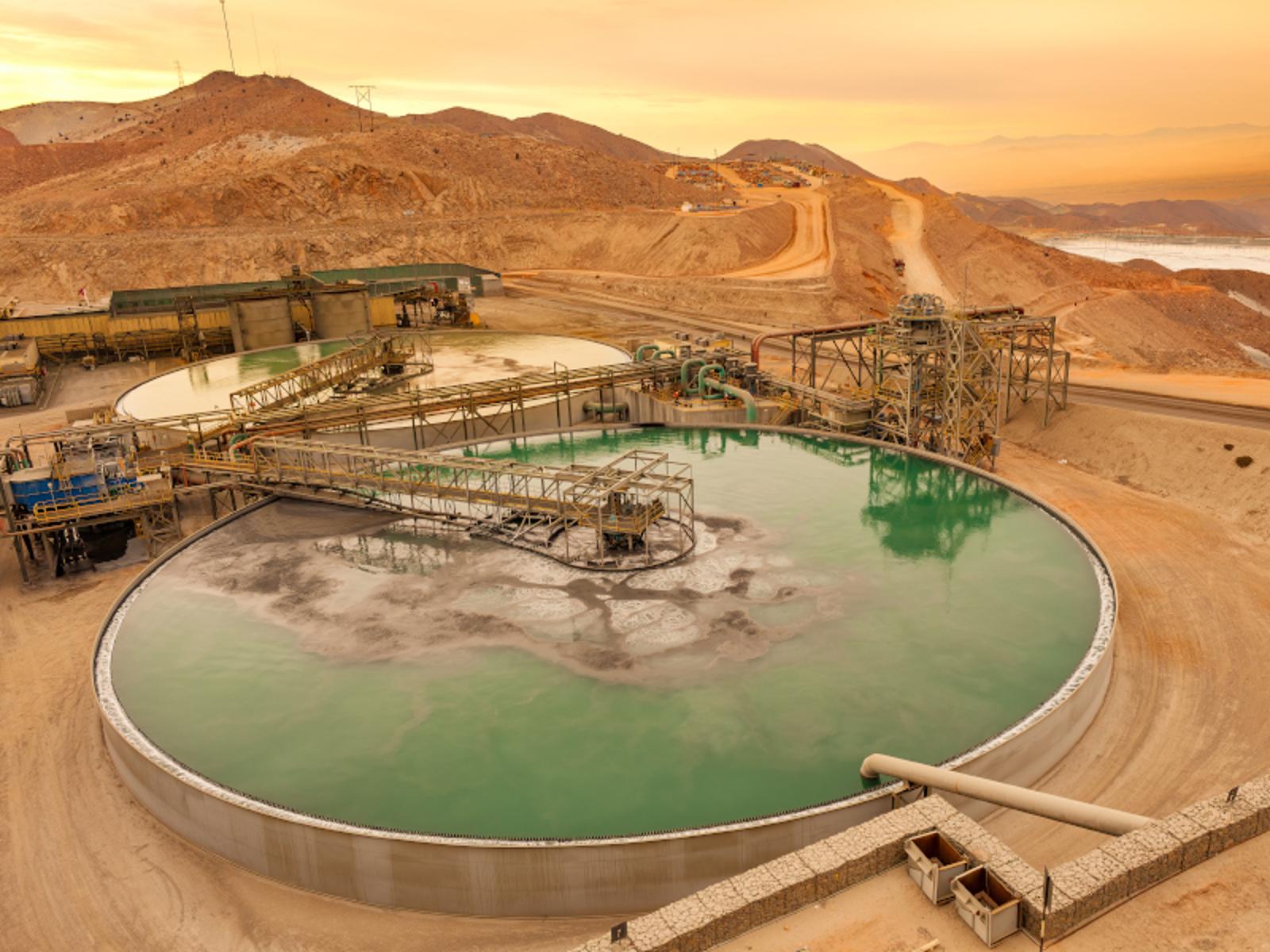
A polymer system is only successful if the solids settle. In mining, that sounds simple, but it is often where the problem begins. A plant can select a suitable flocculant, define a dosing target, and still struggle with unstable thickener or clarifier performance if the polymer is not prepared, diluted, delivered, and introduced correctly.

The result is familiar: more reagent is added, overflow clarity still varies, bed behavior remains difficult to control, and the system becomes more expensive without becoming more stable.


That is why flocculant dosing should be viewed as part of a complete polymer system, not just as a chemical feed point. The polymer needs to reach the process in a condition that still supports particle bridging. It also needs to contact the solids under conditions that encourage floc formation rather than weaken it.

When preparation, dosing, dilution, and mixing are not aligned, the plant may be feeding chemicals, but it is not necessarily creating the floc structure needed for reliable thickening and clarification.

A Polymer System Begins Before the Dosing Pump

One of the most common mistakes in polymer system design is starting the discussion too late. The dosing pump matters, but it is not the first point that determines whether the flocculant will work. The system begins with polymer preparation. Whether the site uses powder, emulsion, or liquid polymer, the reagent has to be handled in a way that preserves its ability to perform once it reaches the slurry.

Poor wetting, incomplete activation, unstable concentration, or inconsistent dilution can all reduce the effective value of the polymer before it enters the process. Operators may respond by increasing the dose, but that does not solve the underlying issue. It only feeds more chemistry into a system that is not using the chemistry efficiently.
Preparation, Maturation, and Dilution Need to Work Together

A well-designed polymer system connects three steps: preparation, maturation, and dilution. Preparation helps create a usable polymer solution. Maturation allows the polymer to develop its functional structure before it is dosed. Dilution helps the polymer disperse more evenly when it enters the process stream. If one of these steps is weak, the entire dosing system becomes less predictable.

This is why concentration should not be treated as a simple tank setting. It affects solution flow, pump sizing, polymer distribution, and the behavior of the reagent at the injection point. A solution that is too concentrated may not disperse well enough. A solution that is too diluted may create unnecessary hydraulic load or reduce control flexibility. The goal is not simply to make polymer pumpable. It is to prepare a working solution that supports actual floc formation.

Settling Depends on Contact, Not Just Dose

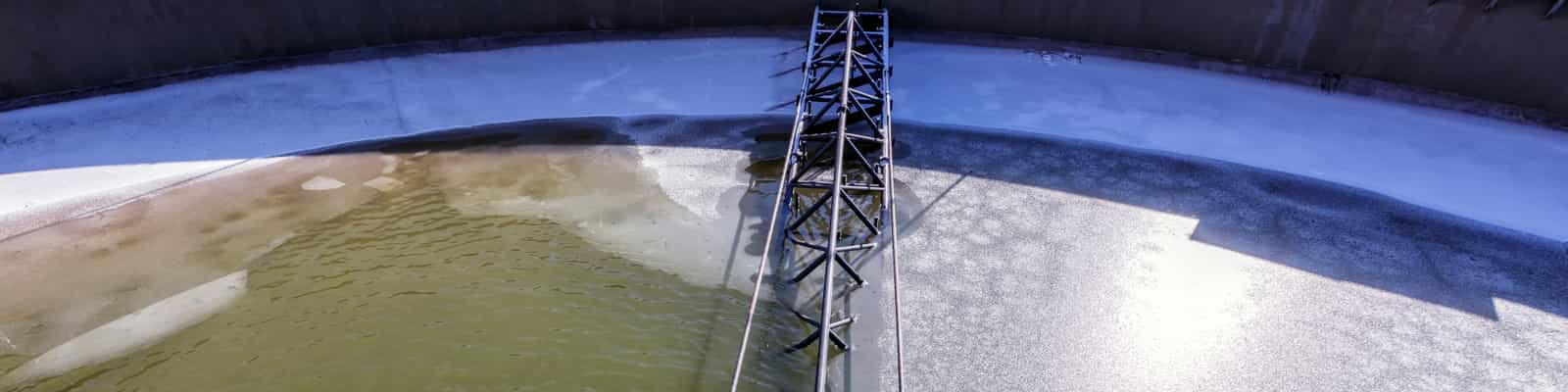
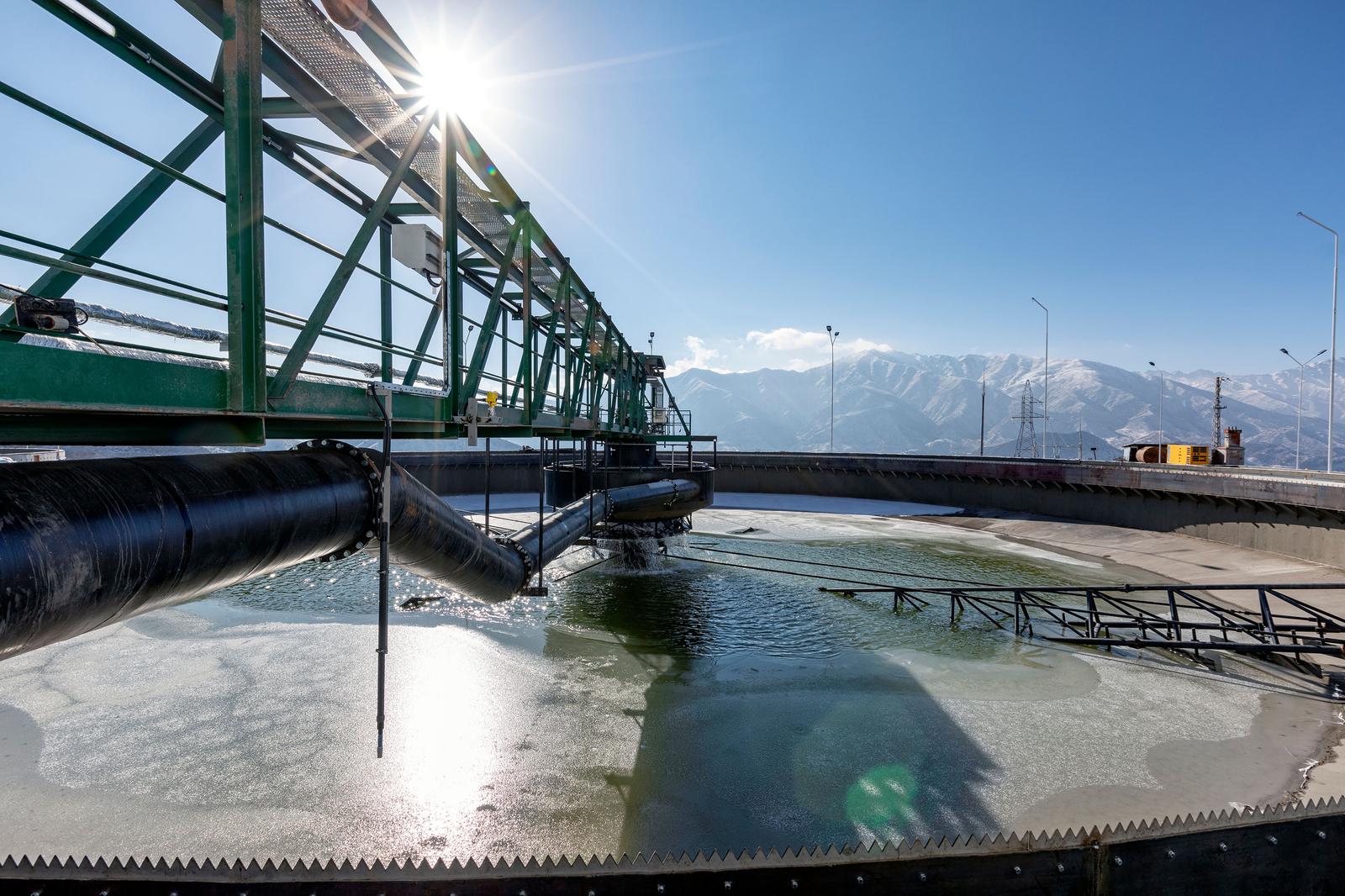
Once the polymer reaches the thickener or clarifier, the next question is contact. Flocculants need to meet the solids under the right mixing conditions. Too little mixing can leave the polymer poorly distributed. Too much mixing can damage forming flocs or reduce the benefit of the polymer structure. This is why the injection point, dilution water, feedwell conditions, and slurry movement all influence the final result.

In many cases, better settling does not come from a higher dose. It comes from improving the way polymer and solids meet. A better injection location, more suitable dilution, improved distribution, or steadier dosing can produce a stronger separation response than simply increasing the reagent rate. The plant needs enough energy to distribute the polymer, but gentle enough conditions to allow flocs to grow and settle.

Shear Can Undo Good Chemistry

Flocculants are sensitive because their performance depends on long polymer chains and the structures they help create. Excessive shear can reduce the effectiveness of those chains or weaken the flocs after they begin to form. From the operator’s point of view, this can look like underdosing, even when the system is delivering the expected amount of reagent.

That is why mechanical handling matters. Pumps, mixers, valves, pipework, and injection arrangements all influence whether the polymer reaches the solids with its function intact. For sensitive flocculants, the system needs to be accurate, but it also needs to be gentle. Low-shear handling helps protect dosing integrity, especially where separation performance depends on consistent floc formation rather than repeated chemical correction.

Thickening Stability Is the Real Test

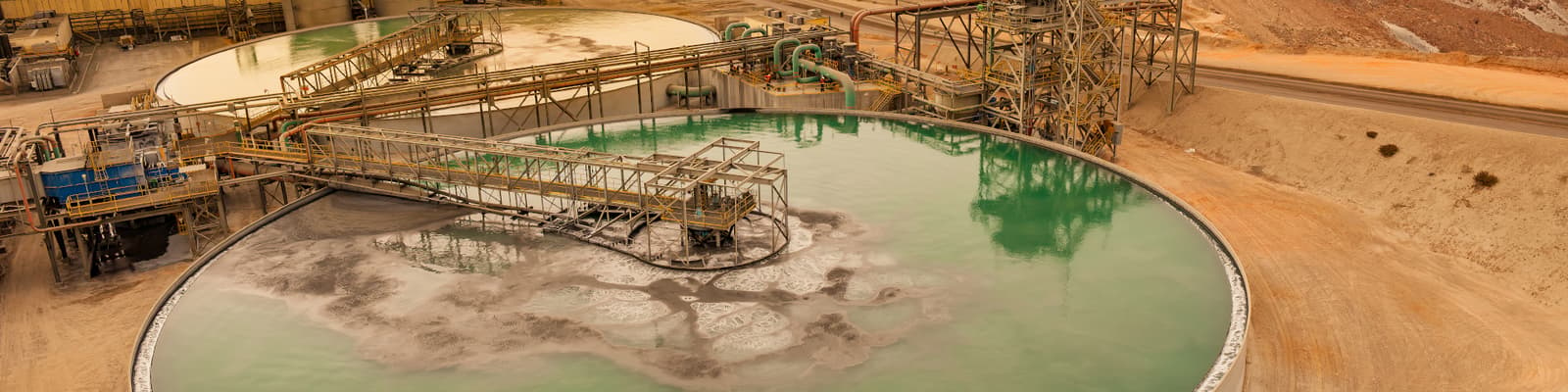
A polymer system should not be judged only by whether it delivers the target flow rate. The better test is what happens in the thickener or clarifier. Does overflow clarity remain stable? Does the bed behave predictably? Is underflow density easier to control? Does reagent consumption stay within a reasonable operating range? These outcomes show whether the polymer system is supporting separation or simply feeding chemical into the process.

This is where polymer system design connects directly to plant performance. A system that prepares polymer consistently, doses it accurately, and protects it from unnecessary shear can help stabilize the separation process. A system that does not will often create hidden losses: more chemical use, more manual adjustment, more overflow variation, and more difficulty holding the process where it needs to be.

Design for the Solids the Plant Actually Has

Polymer systems should be designed around the real feed, not an ideal operating condition. Mining slurries change. Ore type, fines content, clay behavior, recycled water chemistry, pH, temperature, solids loading, and upstream process variation can all affect how a flocculant performs. A system designed only for a nominal duty may work well during steady operation and struggle when the feed changes.

That is why practical system design needs flexibility. The plant needs to adjust dose, dilution, and delivery without losing control. It also needs equipment that can support reliable operation in a demanding environment. In mining, polymer systems are expected to run consistently, often under variable conditions, with limited tolerance for drift. The design should reflect that reality from the beginning.

Stabilize Separation, Not Just Feed Chemicals

The purpose of a polymer system is not simply to move flocculant from a preparation tank to a thickener. It is to create the conditions that allow solids to settle consistently. That means preparation quality, dosing accuracy, dilution, injection location, mixing energy, and shear protection all need to work together.

When those elements are aligned, the plant gets more than chemical addition. It gets a more stable separation process. That is the broader point behind this pillar: Stabilize separation, not just feed chemicals. A good polymer system protects the chemistry before it reaches the process, supports floc formation once it arrives, and helps the thickener or clarifier perform with less correction and more consistency.

Read More About Flocculant Dosing