What Chemical Reagents Do in Mining
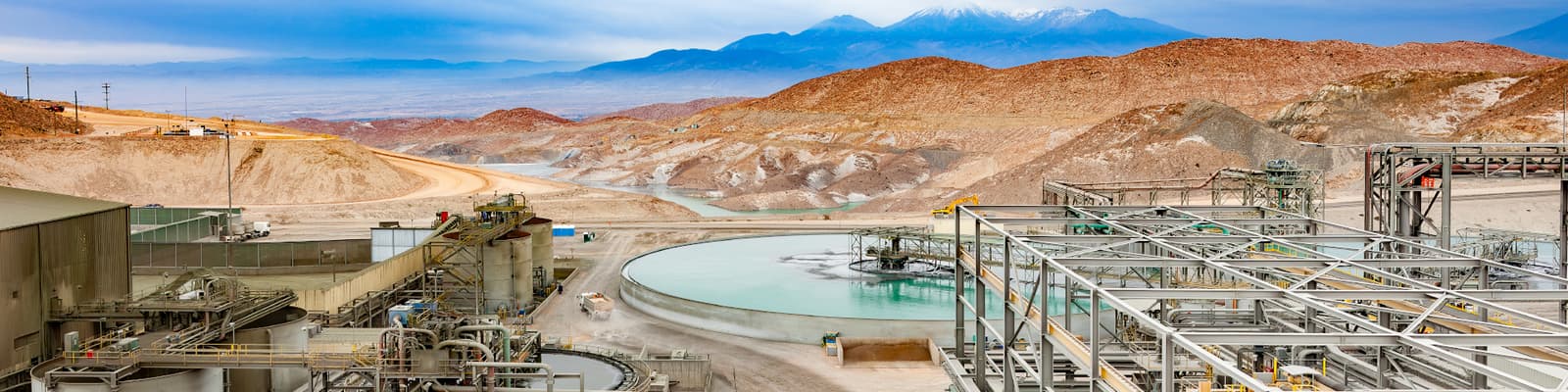
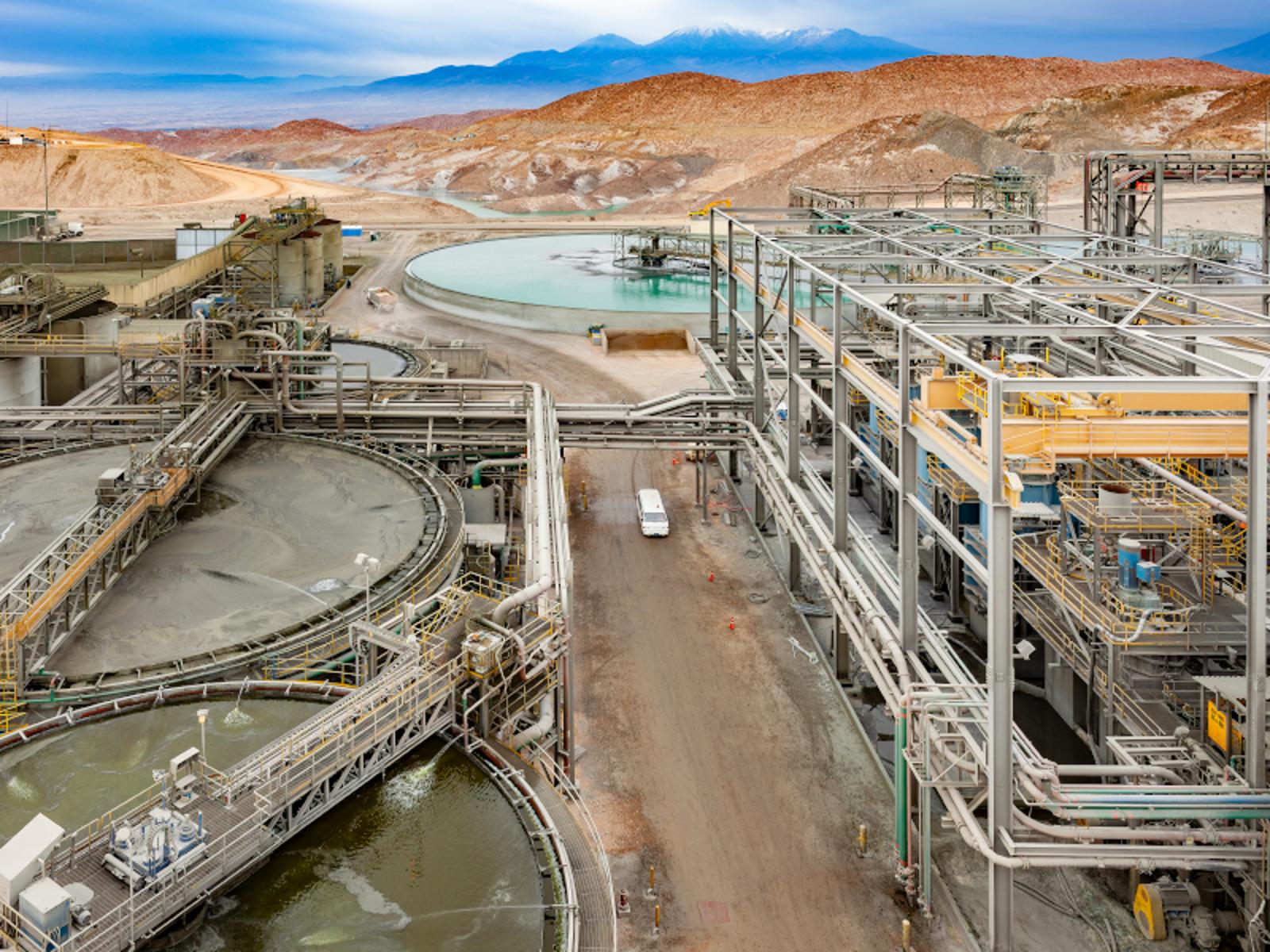
Chemical reagents are used across mineral processing to change how particles, liquids, and surfaces behave. Some reagents help valuable minerals attach to bubbles in flotation. Some adjust pH or improve selectivity. Others help fine particles settle more quickly in thickeners and clarifiers. In each case, the reagent is added because the natural behavior of the slurry is not enough to achieve the required separation.
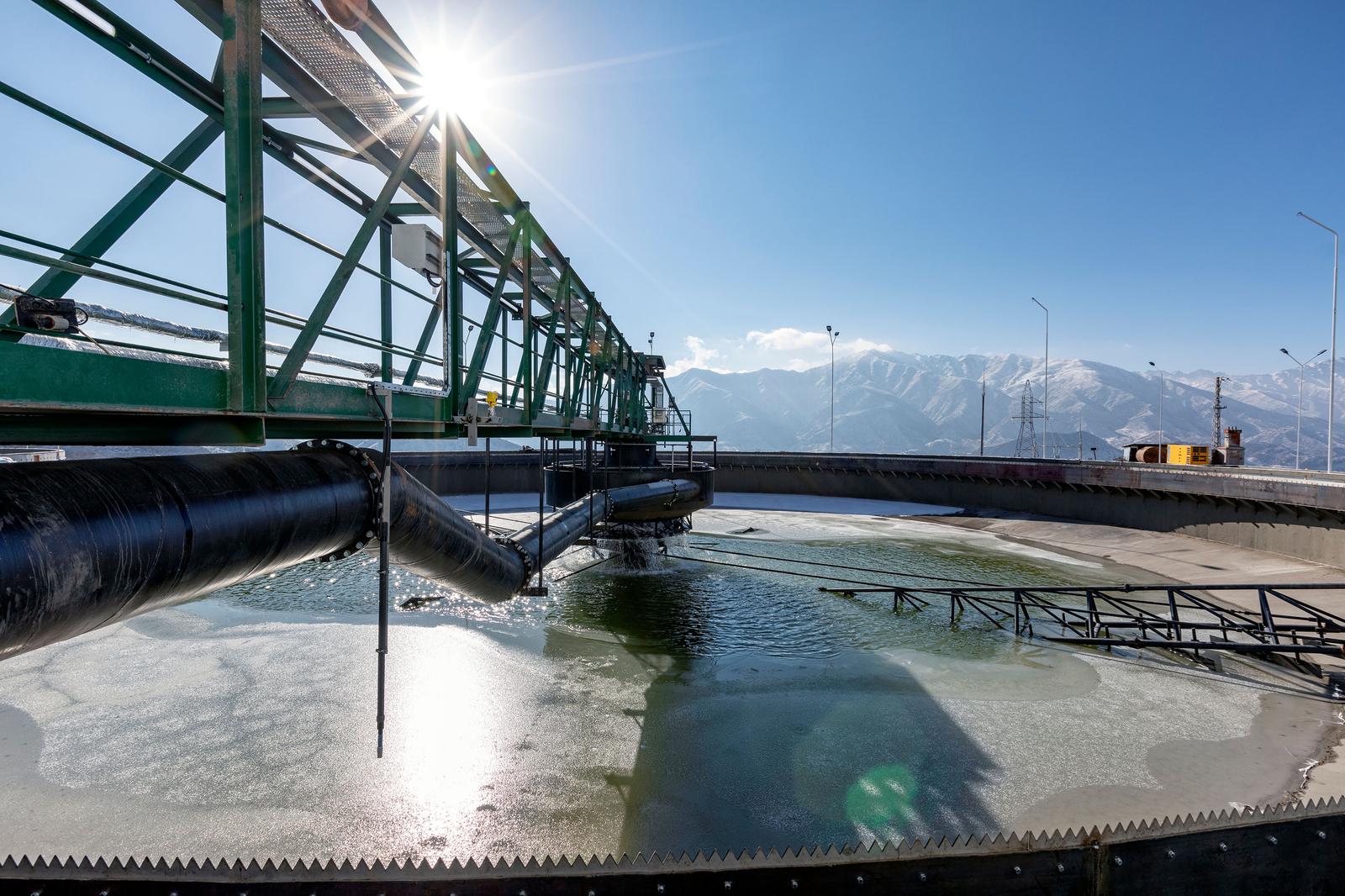
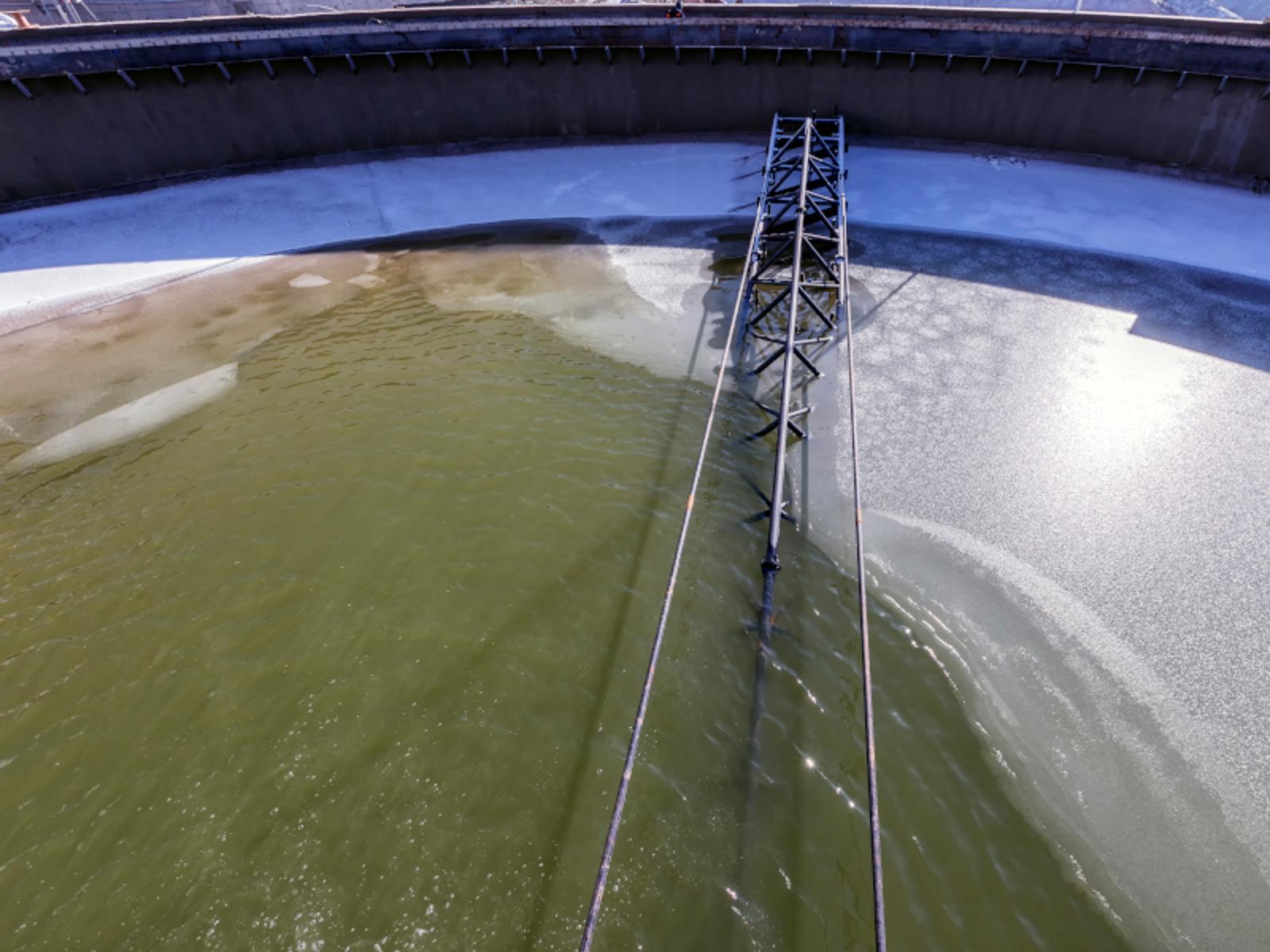
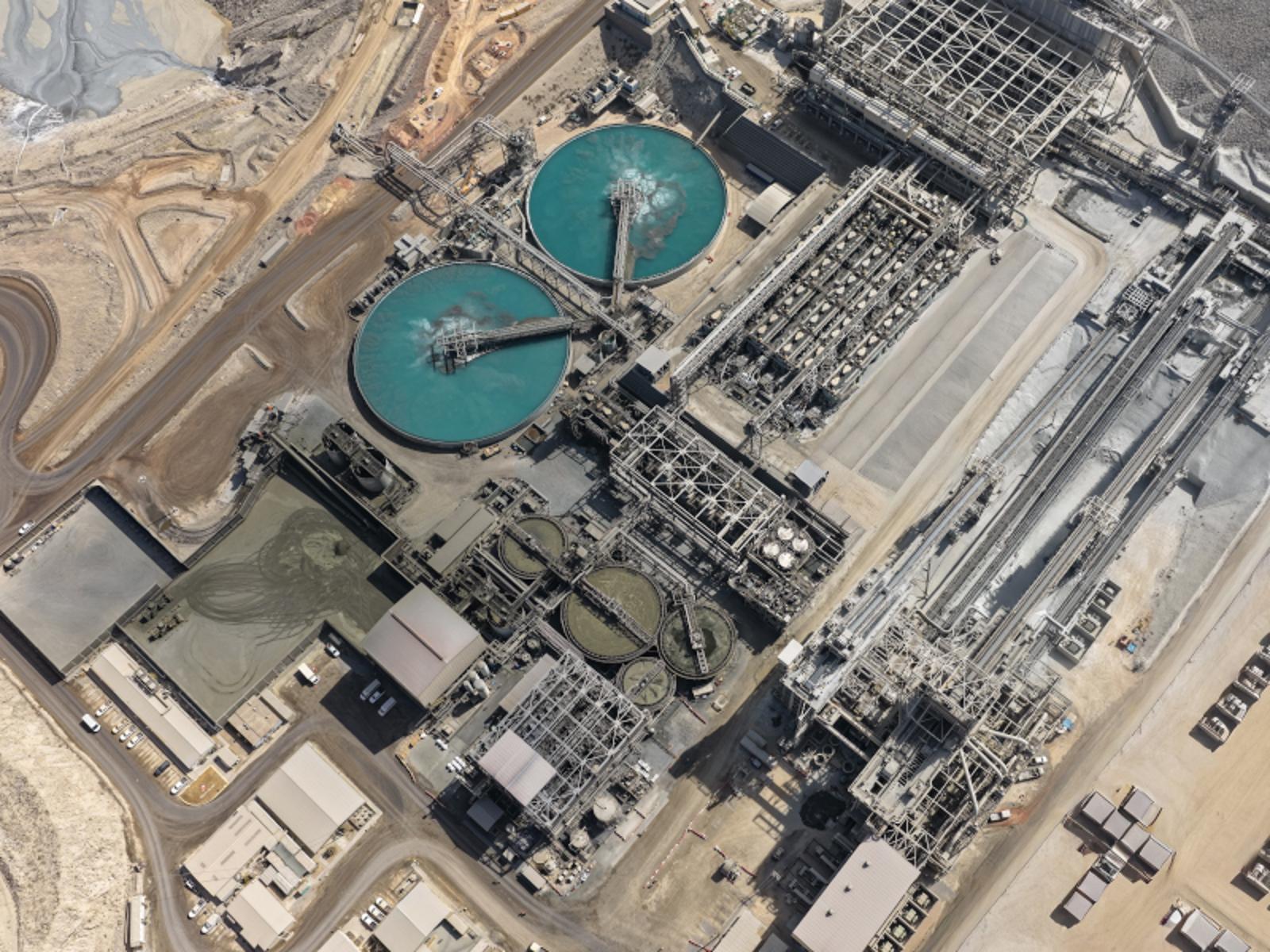
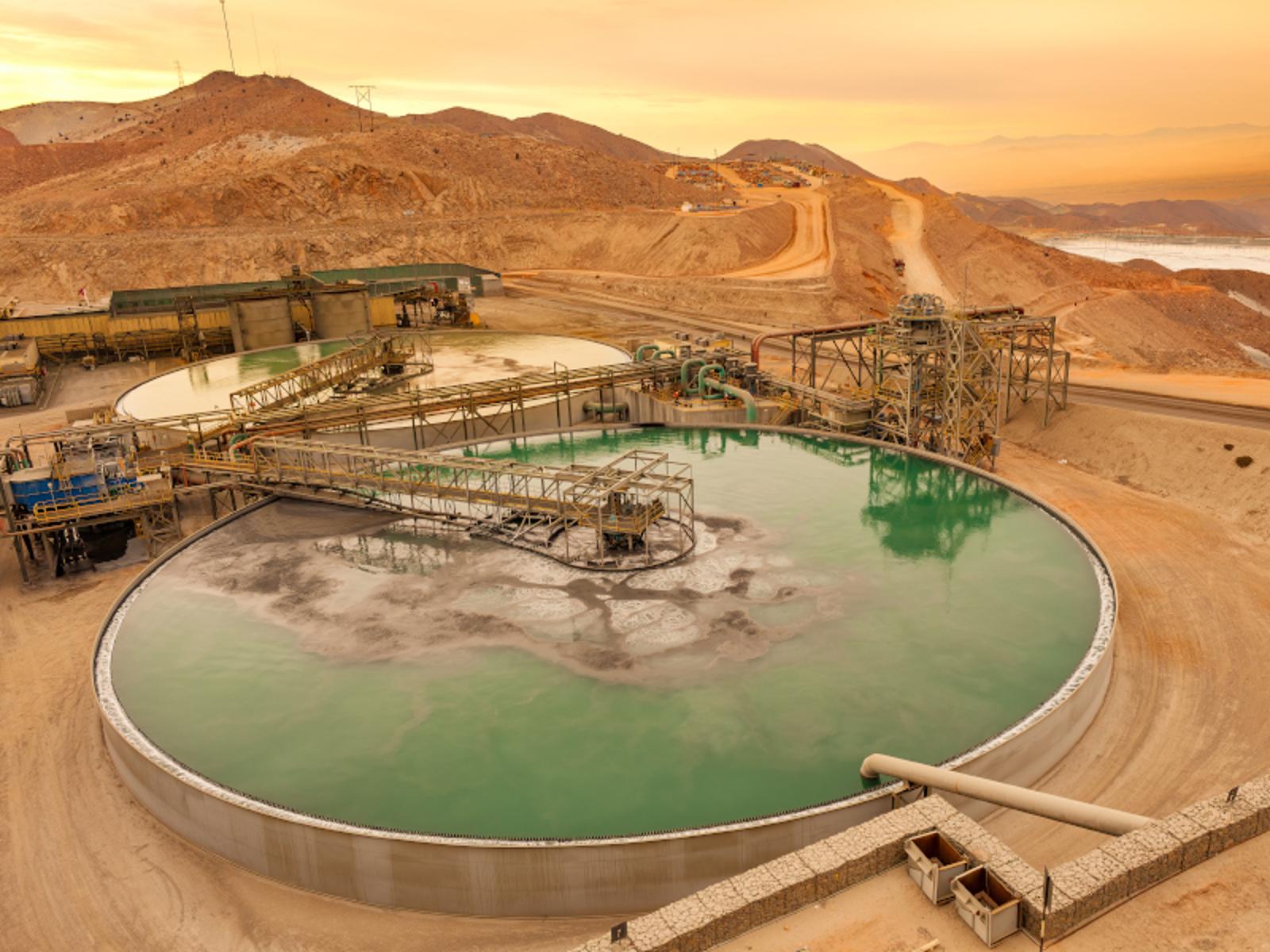
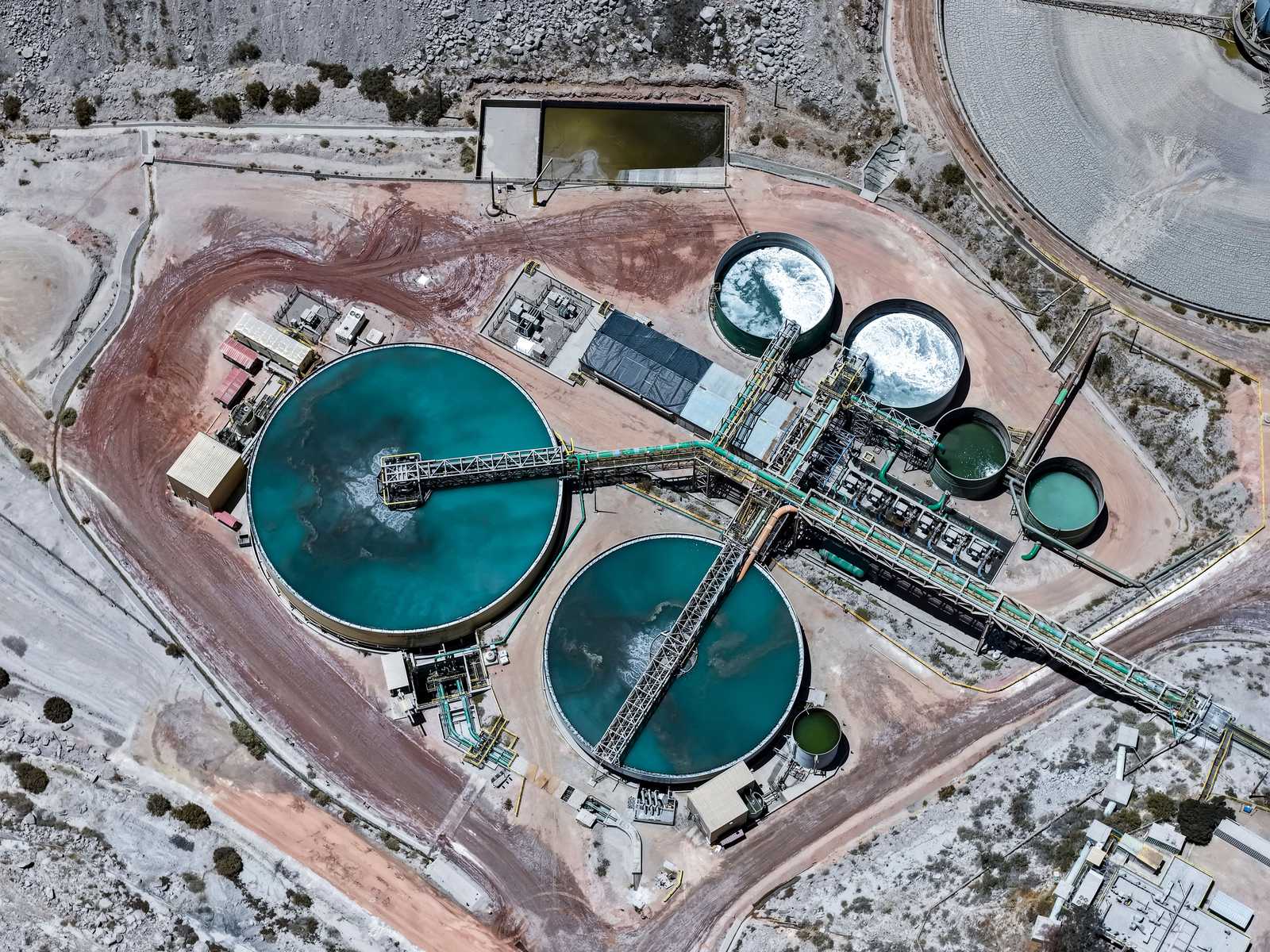
In thickening and clarification, flocculants are among the most important reagent types. They help fine particles form larger flocs, so solids can settle faster and overflow water can become clearer. In flotation, collectors, frothers, depressants, and modifiers influence separation between valuable and unwanted minerals. In water treatment or tailings handling, additional chemicals may be used to support clarification, pH control, or solids management.
The common thread is control. Reagents are added to guide the process toward a more stable and useful result.