Products
Pumps
Pump Systems
Digital Solutions
Shredding Systems
Applications
Environmental Technology
Biogas Handling
Mining and Mineral Processing
Food and Beverage Industry
Oil, Gas and Petrochemicals
Pulp & Paper Industry
Additional Markets
Media
News
Fairs & Events
Downloads
Videos
Knowledge on Demand
SEEPEX Technologies
Security Publications
Services
SEEPEX Care Service Programs
Original Parts
Commissioning
24-Hour Helpline
Technical Basic Pump Training
Services
Company
About SEEPEX
Career
Locations

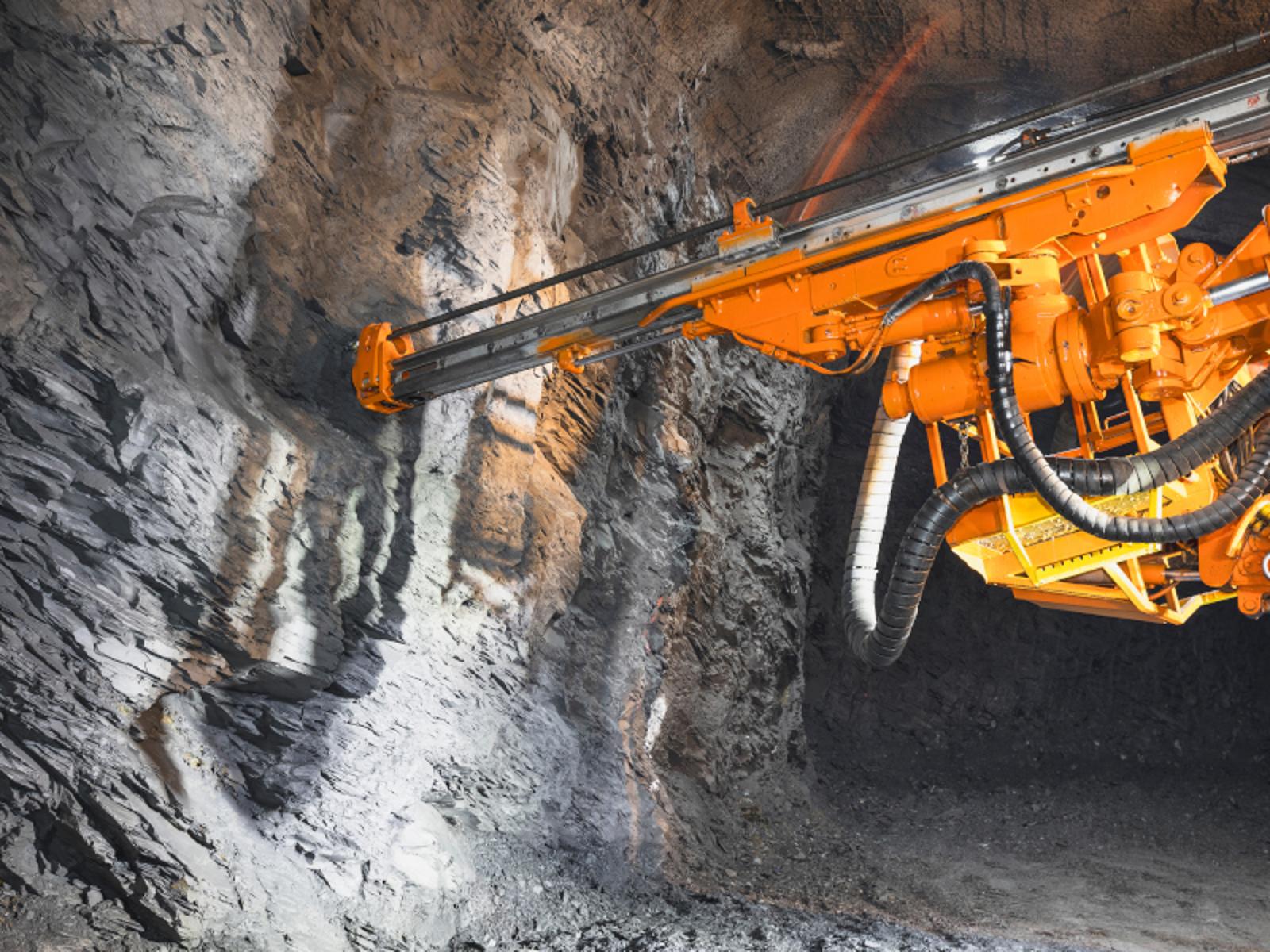
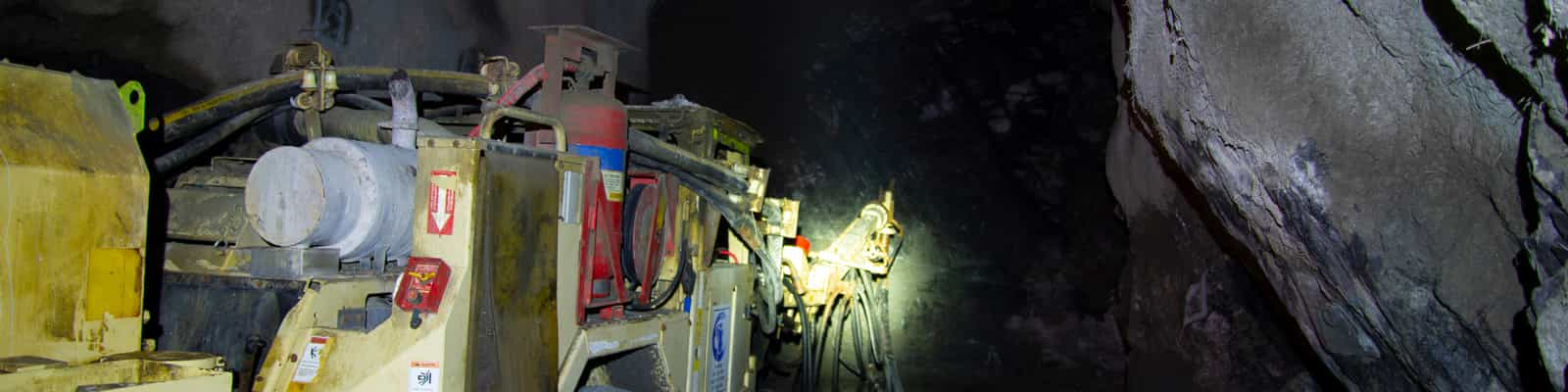
Every underground excavation changes the surrounding rock mass. Removing material alters forces in the ground, exposes fractured surfaces, and creates openings that must remain stable as mining advances.


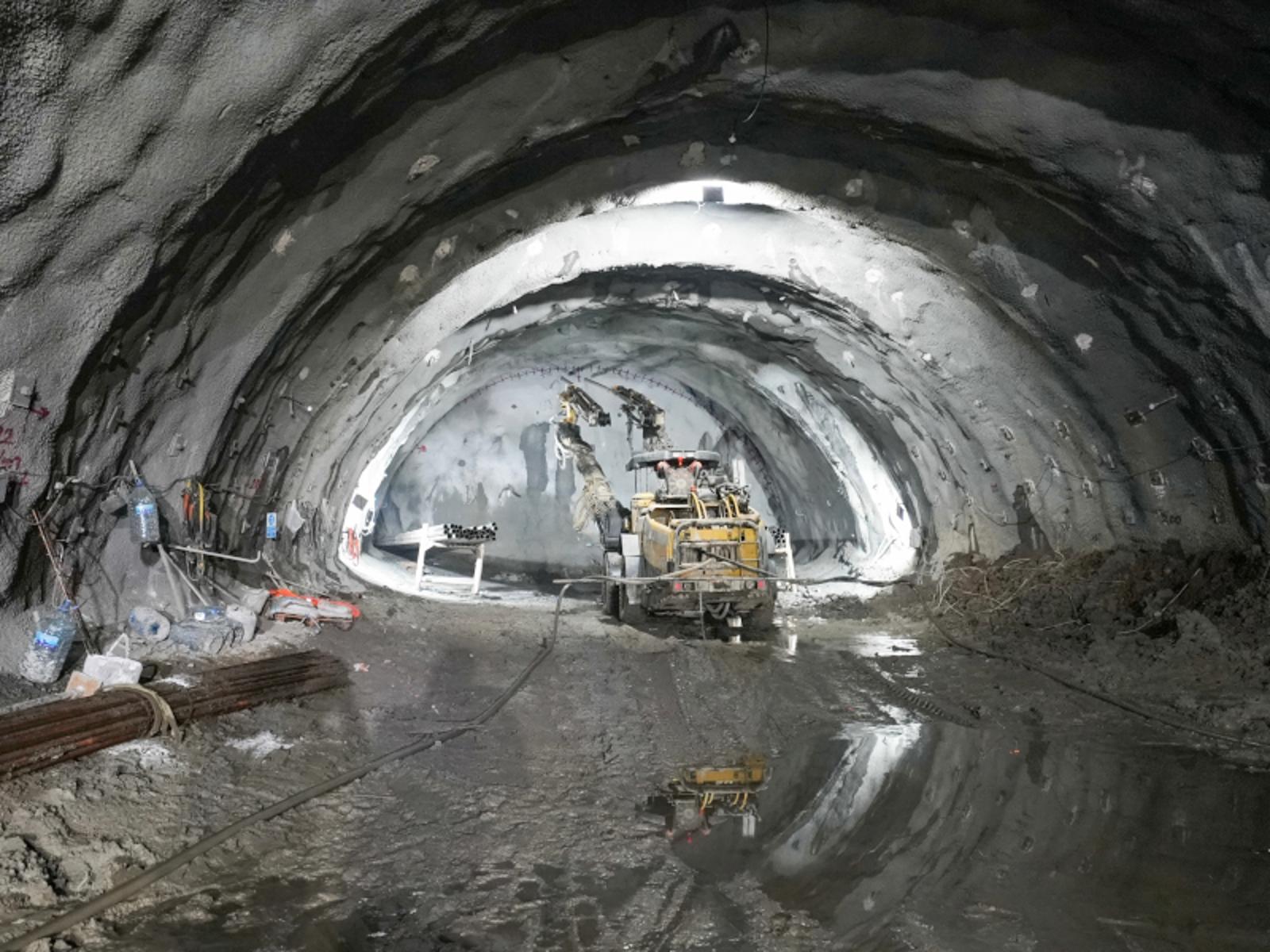
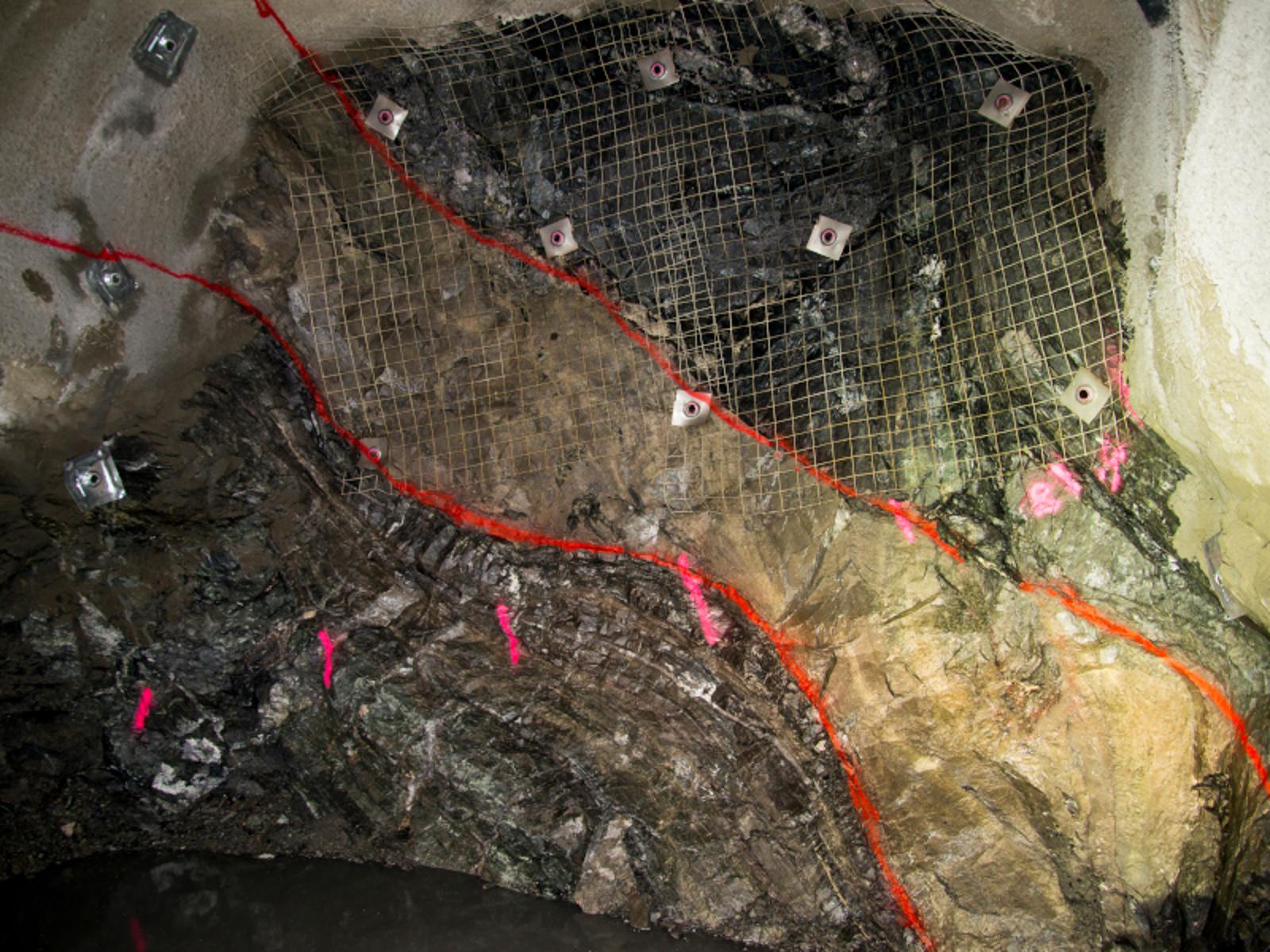
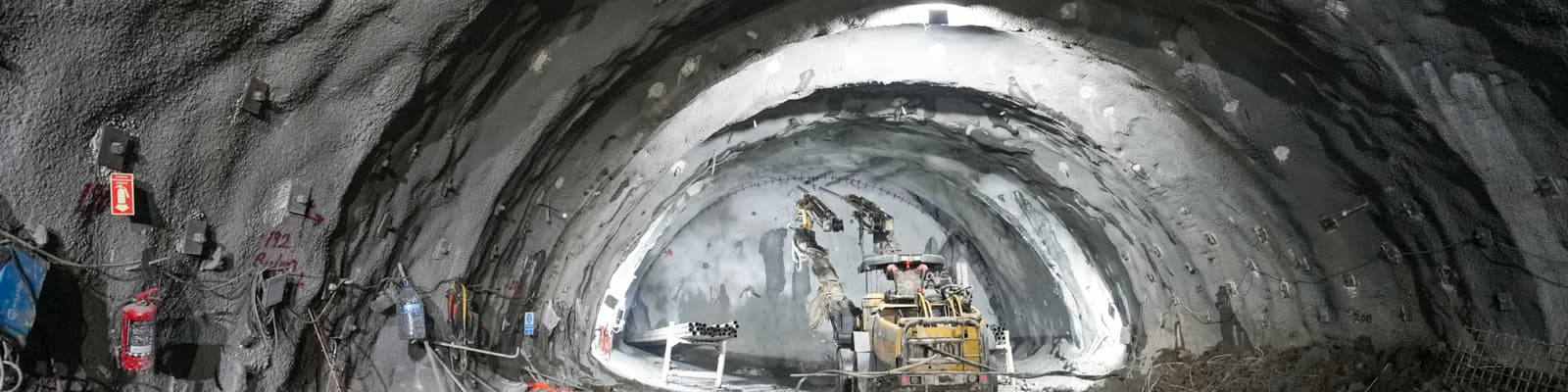
Shotcrete helps mines respond quickly. Applied directly to freshly excavated rock, it forms a continuous layer that follows irregular surfaces and complements the wider ground-support system. It can help confine the rock surface, limit progressive loosening, and support areas between rock bolts and other reinforcement.


Effective shotcreting involves more than spraying concrete onto rock. The wet mix must be prepared, transported, pumped, and applied within a controlled operating window. If any part becomes unreliable, ground-support work can slow down or stop.

What Is Shotcrete?

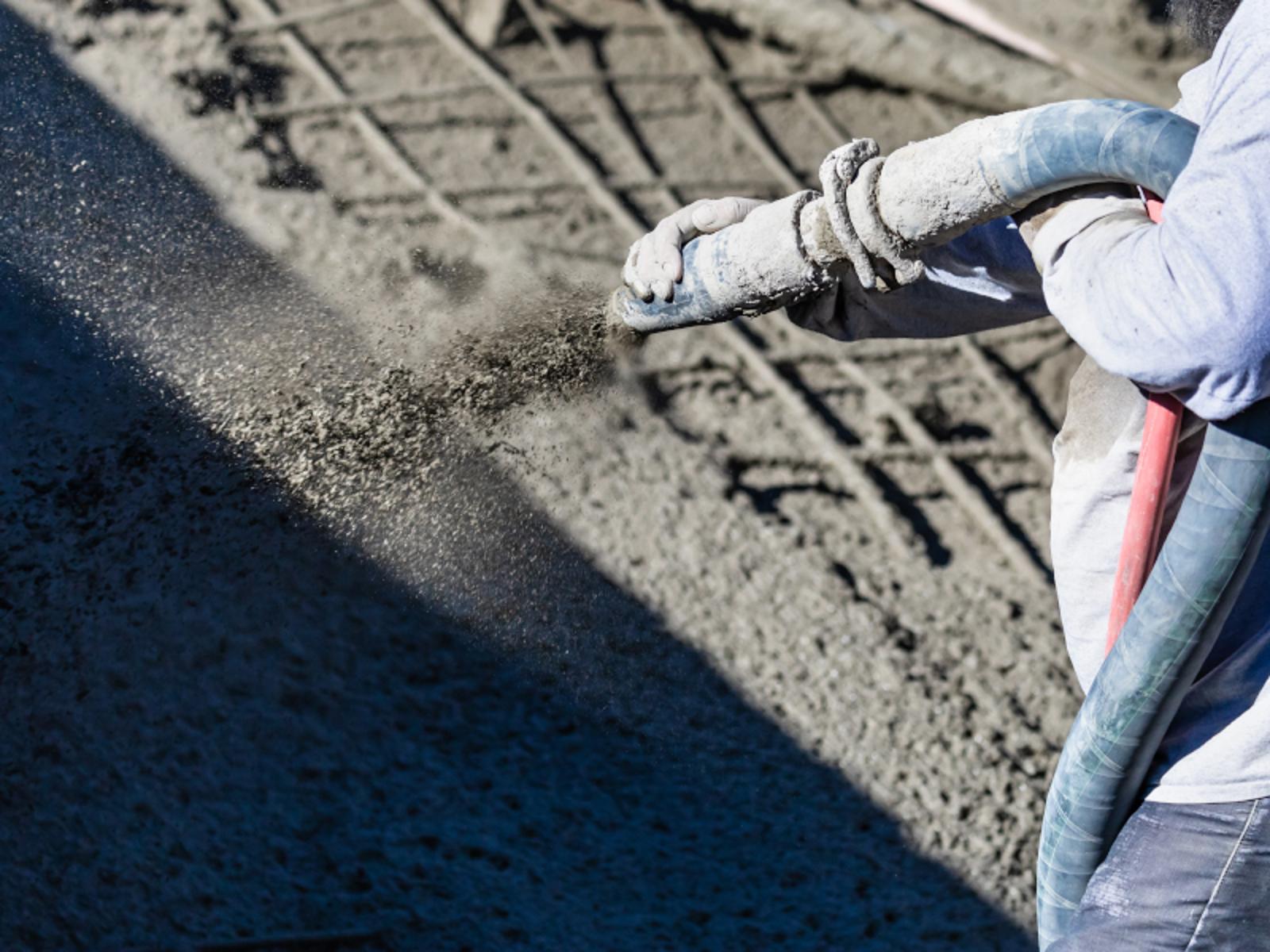
Shotcrete is concrete projected at high velocity onto a surface. The force of application places and compacts it against the rock, forming a dense layer over vertical, overhead, curved, and irregular surfaces.

In wet-mix shotcreting, cement, aggregates, water, and specified admixtures are mixed before entering the pumping system. The prepared shotcrete is pumped to the nozzle, where compressed air accelerates it toward the target surface. An accelerator may also be added at the nozzle when required by the application and mix design.

This process removes the need for conventional formwork. That is particularly useful underground, where excavation profiles are rarely uniform and working space is limited. The mix may also contain steel or synthetic fibers, which must remain properly distributed as the material moves through the pump and delivery line.
Why Shotcrete Is Used in Underground Mining

Ground conditions can change over short distances. A heading may pass from competent rock into fractured or weathered zones, while blasting can expose joints and previously confined blocks. Ground support must follow excavation closely and respond to the conditions encountered.

Shotcrete creates direct contact with exposed rock across a broad area. Once applied, it can help control loose surface material, limit further deterioration, bridge discontinuities, and provide support between rock bolts.

How Wet-Mix Shotcreting Works

Wet-mix shotcreting connects material preparation, transportation, pumping, spraying, and application. Each activity influences the result.

The process begins with a specified concrete mix. Its consistency must allow transportation and pumping while remaining suitable for spraying. The prepared mix is delivered to the shotcrete equipment and fed into the pump.

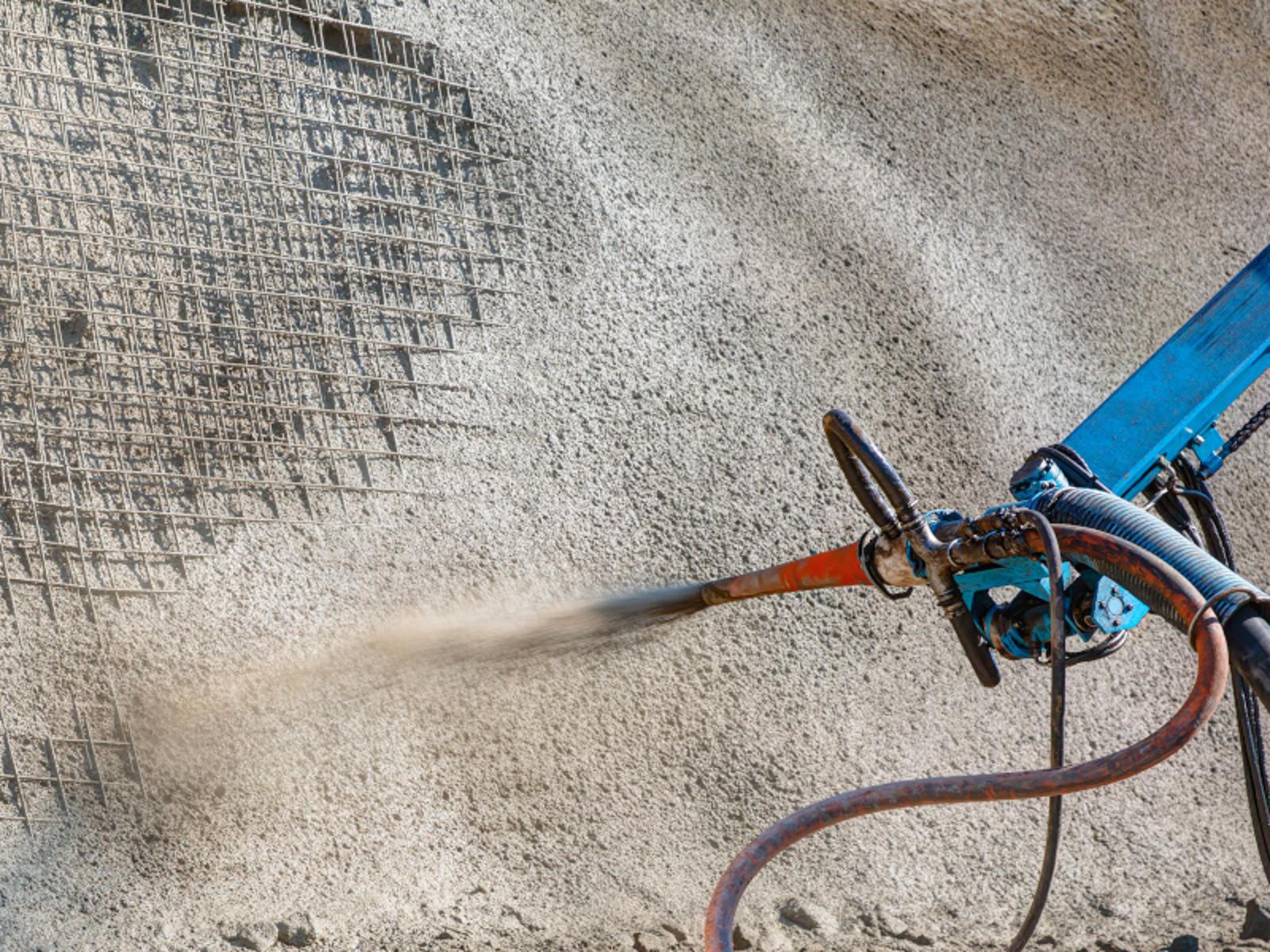
The pump transfers the material through the delivery line. Compressed air at the nozzle accelerates the shotcrete onto the rock surface. The nozzle is positioned and moved to achieve the required coverage and thickness.

Each part depends on the others. Spraying equipment cannot apply material consistently without a stable supply. The pump cannot perform reliably if the mix falls outside its workable range or the system is unsuitable for the required distance, elevation, and pressure. Shotcrete delivery must therefore be treated as one connected process.

What Makes Shotcrete Difficult to Pump?

Fresh shotcrete is dense, viscous, and abrasive. It contains cement and aggregates, may include fibers, and can change as time and temperature affect the mix.

Aggregates continuously contact pump and pipeline components. Wear cannot be eliminated, but equipment and operating conditions must account for the abrasive duty. Uncontrolled wear can reduce performance, increase maintenance, and raise interruption risks.

Why Consistent Shotcrete Delivery Matters

The spraying process depends on controlled material supply. If delivery fluctuates or stops, the nozzle operator or robotic spraying unit cannot maintain the intended application sequence.

Irregular flow can interrupt coverage, complicate layer build-up, and leave crews waiting. A blockage may require the line to be depressurized, inspected, and cleaned before work resumes. Meanwhile, ground support remains incomplete.

Consider a newly excavated heading that must be supported before the next activity begins. Wet-mix shotcrete reaches the spraying area, but inconsistent transfer repeatedly interrupts application. Each stoppage extends the support cycle. Equipment and personnel remain occupied, the heading cannot be released as planned, and delays affect subsequent work. Shotcrete pumping is part of the mining cycle, not an isolated material-handling task.

Building A Reliable Shotcrete Process

Reliability begins with understanding the material and pumping duty. Mix behavior, aggregates, fibers, delivery rate, transfer distance, elevation changes, pipeline layout, and pressure must be considered together. The pump should be selected for actual shotcrete properties and system conditions, not only nominal flow.

Stable feeding is equally important. Material must enter the pump consistently, without conditions that encourage bridging or separation. The delivery line should limit unnecessary restrictions and support safe operation, inspection, and cleaning.

From Shotcrete Requirements to Pump Selection

No pump configuration suits every underground shotcrete application. The correct choice depends on material properties, required capacity, pressure, installation conditions, operating pattern, and maintenance strategy.

Engineers should establish the wet mix's workable range, aggregate grading, particle size, fiber characteristics, delivery rate, transfer distances, pipeline layout, anticipated pressure, installation space, cleaning procedures, operating hours, and interruption tolerance.

Reliable Shotcrete Supports Reliable Mine Development

Shotcrete in mining provides a fast, adaptable method of supporting underground excavations. It conforms to irregular rock surfaces, works with bolts and mesh, and can be applied as excavation advances.

Understanding these conditions is the first step toward a shotcrete system that supports the mine rather than delaying it. When material behavior, pump selection, system design, and underground requirements are considered together, shotcreting becomes a more predictable part of the development cycle.

Read More About Shotcrete Pumping Solutions