Products
Pumps
Pump Systems
Digital Solutions
Shredding Systems
Applications
Environmental Technology
Biogas Handling
Mining and Mineral Processing
Food and Beverage Industry
Oil, Gas and Petrochemicals
Pulp & Paper Industry
Additional Markets
Media
News
Fairs & Events
Downloads
Videos
Knowledge on Demand
SEEPEX Technologies
Security Publications
Services
SEEPEX Care Service Programs
Original Parts
Commissioning
24-Hour Helpline
Technical Basic Pump Training
Services
Company
About SEEPEX
Career
Locations

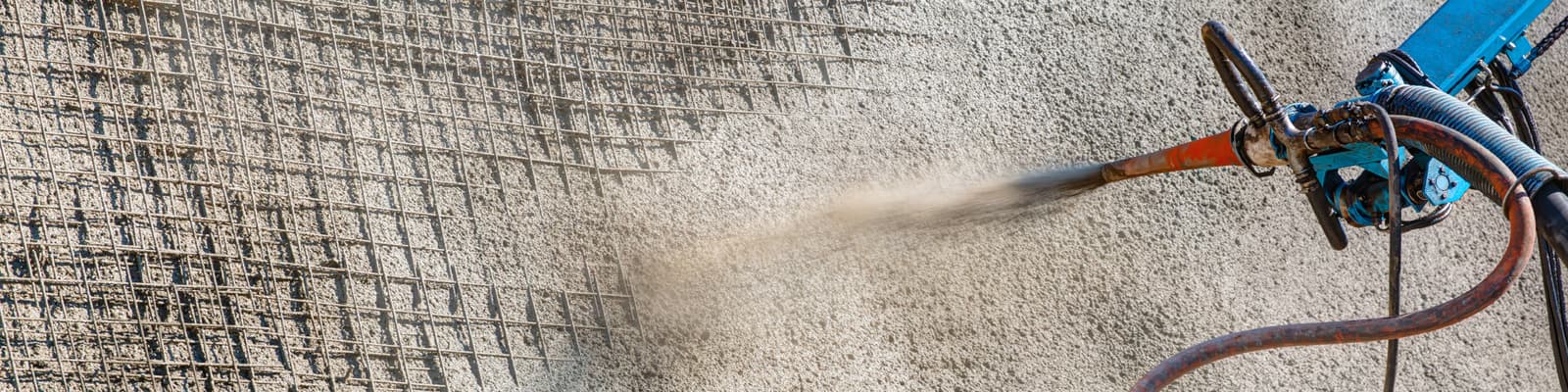
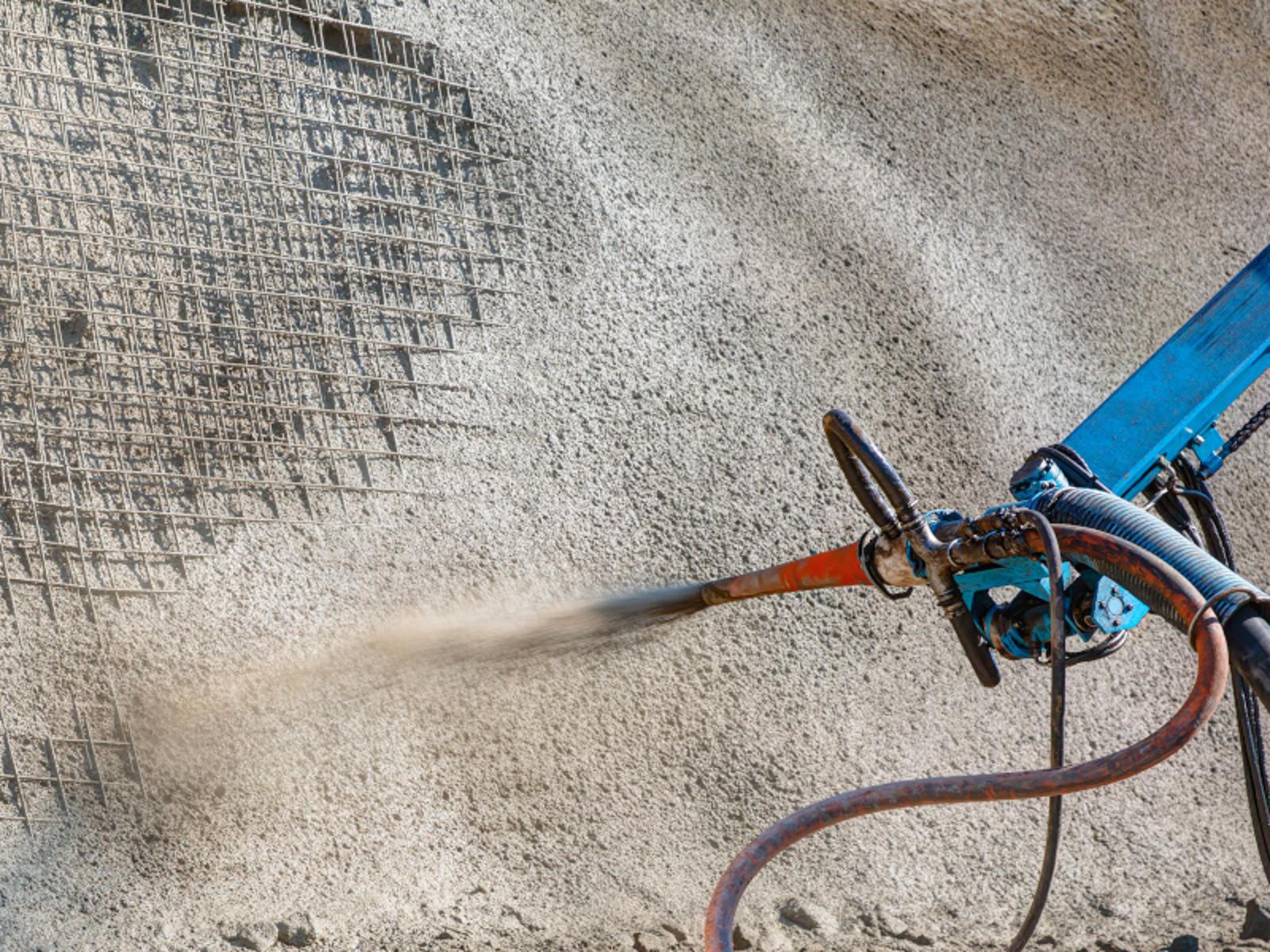
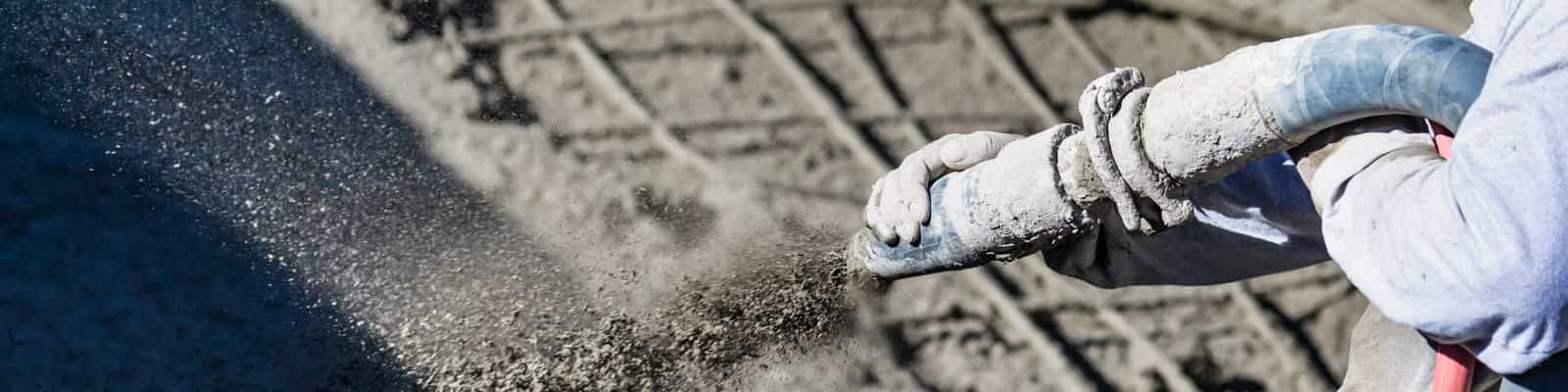
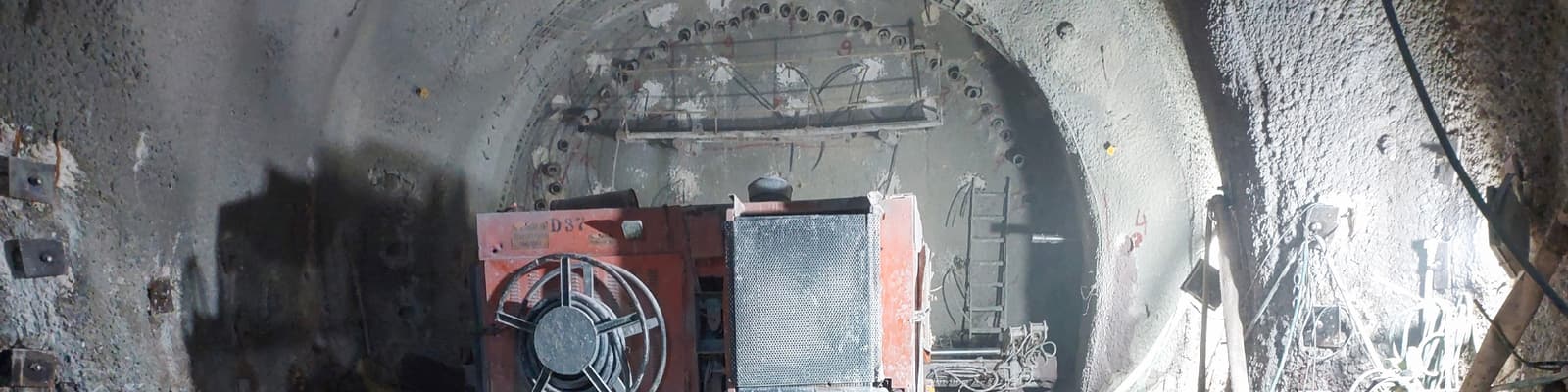
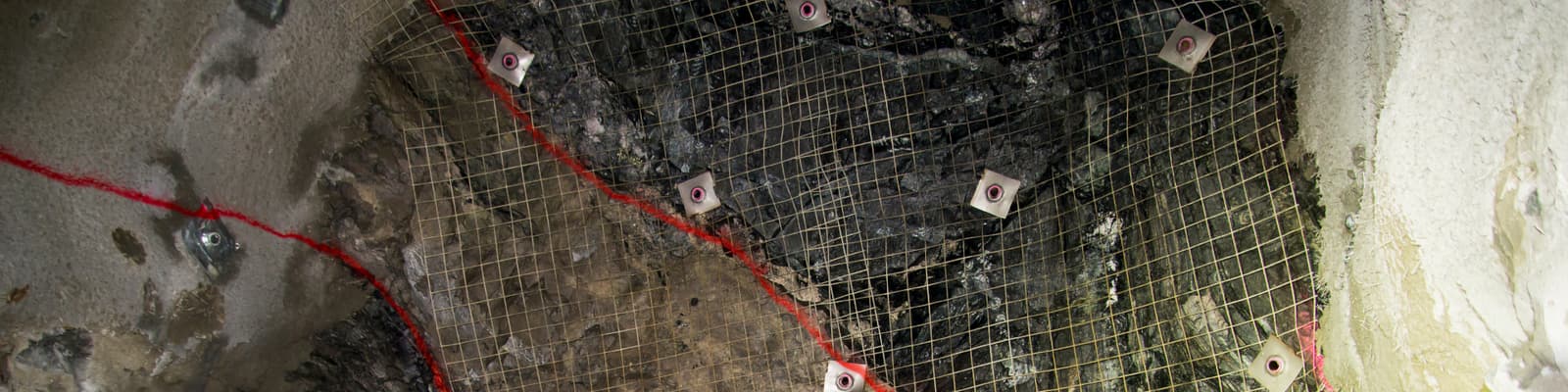
Fiber-reinforced shotcrete combines ground-support performance with the flexibility of sprayed application. Steel or synthetic fibers are distributed throughout the wet mix, providing reinforcement within the applied shotcrete across irregular underground surfaces.


The fibers that support the applied shotcrete also make the fresh material more demanding to handle. They influence workability, feeding, internal friction, and movement through the pump and delivery line. Reliable transfer depends on the behavior of the complete mix, not simply on whether the pump can pass an individual fiber.


Successful pumping begins with a shotcrete formulation that remains cohesive, workable, and uniform from mixing to the nozzle. The transfer system must then move that material without encouraging segregation, fiber accumulation, or unstable flow.

Fibers Change How Wet-Mix Shotcrete Behaves

Fiber-reinforced shotcrete is a composite material. Its performance depends on the shotcrete matrix, the fibers, and the interaction between them after application. Fibers help transfer stress across cracks and contribute to post-cracking behavior and energy absorption.

During pumping, however, fibers become part of a dense suspension containing cement paste, aggregates, water, and admixtures. Their material, length, shape, aspect ratio, dosage, and distribution influence how the mix moves.

Increasing fiber content does not simply add more solids. It can reduce workability and change the resistance of the fresh shotcrete. Research on wet-mix shotcrete has shown that increasing fiber volume can significantly reduce slump, although the effect varies with fiber type. 

The pump therefore handles the combined rheology of the complete formulation. A mix that performs reliably without fibers may behave differently after reinforcement is introduced, even when the aggregate grading and nominal delivery rate remain unchanged.
Uniform Distribution Begins During Mixing

The transfer system cannot restore uniformity to poorly mixed shotcrete. If fibers enter as bundles or become concentrated in part of the batch, those concentrations continue toward the hopper, pump, and pipeline.

Fiber addition must therefore support gradual, even dispersion within the wet mix. The sequence and rate of addition matter because adding fibers too quickly can encourage clumping. Mixing must continue long enough to distribute them without unnecessarily delaying delivery or reducing the available working time. Transport time and changing material consistency can further affect how the batch behaves on arrival.

By the time shotcrete reaches the pump, it should be within the defined workable range and free from visible fiber bundles. Pumping equipment should not be expected to correct problems introduced during batching or transport.

Consistent Feeding Reduces Fiber Accumulation

Fiber-reinforced shotcrete must move continuously from the hopper toward the pump inlet. Low fill levels, stagnant areas, or restricted openings can interrupt this transition and create locations where fibers begin to collect.

Agitation can help maintain movement and distribution, but excessive agitation may introduce air or disturb the mix. The objective is controlled feeding rather than aggressive remixing at the pump.

The inlet path should avoid abrupt restrictions. A pump may handle the nominal fiber dimensions while the surrounding inlet arrangement remains unsuitable for the complete mix.

High suction capability supports the intake of viscous shotcrete, including formulations in which the fiber characteristics and dosage contribute to reduced workability. Even so, suction performance works best when the hopper and inlet present material consistently to the pumping elements.

Low-Shear Transfer Helps Maintain Mix Uniformity

Once inside the pump, the shotcrete should move without unnecessary mechanical disturbance. The transfer process should avoid unnecessary mechanical stress that could disturb the distribution of paste, aggregates, and fibers or contribute to segregation.

Progressive cavity pumps convey material through sealed cavities that move continuously from suction to discharge. This low-shear, positive-displacement action supports controlled transfer of viscous, abrasive, and fiber-reinforced shotcrete.

Uniform flow without pulsing gives the fiber-reinforced material a stable supply toward the nozzle, including where the pipeline contains bends, transitions, or changing elevations.

Low-shear pumping cannot guarantee the properties of the applied shotcrete. Mix design, spraying parameters, nozzle technique, accelerator addition, and application quality remain decisive. Its role is to avoid introducing unnecessary disruption during transfer.

Pipeline Restrictions Increase the Risk of Bridging

Fiber dimensions must be considered in relation to the complete flow path. Pump openings, reducers, couplings, bends, hose sections, and the nozzle connection can all create restrictions.

Fibers do not need to be larger than an opening to contribute to a blockage. Several fibers may interlock, collect around coarse aggregate, or accumulate where flow changes direction. Material that begins to stiffen during a pause increases this risk further.

Gradual transitions and practical bend radii help maintain a predictable flow path. Connections where accumulation is more likely should remain accessible for inspection after the system has been isolated and fully depressurized.

A recurring blockage at one location may indicate a restriction, but it can also reflect inconsistent mixing, feeding, or material condition. Clearing the obstruction without reviewing the wider process may allow it to return.

Pump Design Supports Reliable Fiber Transfer

SEEPEX BNM progressive cavity pumps combine high suction capability, low-shear handling, uniform flow without pulsing, and pressure capability for demanding transfer duties. The final configuration must still be matched to the actual shotcrete mix, fiber characteristics, required output, and pipeline.

Abrasive aggregates and demanding fiber-reinforced shotcrete duties also make maintenance access relevant. Rotor Joint Access and Drive Joint Access support a Maintain in Place approach by providing access to rotor-side and drive-side components without removing connected pipework or dismantling the complete pump.

Maintenance-friendly design does not prevent fiber accumulation or wear. It makes inspection and service less disruptive when underground space is limited and the pump forms part of a time-critical ground-support process.

Keep the Complete Mix Moving as One Material

Reliable pumping of fiber-reinforced shotcrete depends on maintaining uniformity from batching to the nozzle. Fibers must be evenly dispersed, the mix must remain workable, and feeding must present a continuous material supply to the pump.

Progressive cavity technology supports this duty through controlled, low-shear, pulse-free transfer. When fiber characteristics, mix behavior, inlet conditions, pipeline restrictions, pressure trends, and maintenance access are considered together, reinforcement can move with the shotcrete rather than becoming a source of avoidable interruption.

Read More About Shotcrete Pumping Solutions