Products
Pumps
Pump Systems
Digital Solutions
Shredding Systems
Applications
Environmental Technology
Biogas Handling
Mining and Mineral Processing
Food and Beverage Industry
Oil, Gas and Petrochemicals
Pulp & Paper Industry
Additional Industries
Media
News
Fairs and Events
Downloads
Videos
Knowledge on Demand
SEEPEX Technologies
Security Publications
Services
SEEPEX Care Service Programs
Original Parts
Commissioning
24-Hour Helpline
Services
Company
About SEEPEX
Career
Locations
Build America, Buy America

Chemical reagent dosing is one of the control points that connects mineral chemistry with plant performance. In mining, reagents are used to influence how particles separate, how solids settle, how water is recovered, and how downstream processes remain stable.

The dose may be small compared with the total slurry flow, but its effect can be significant. If the wrong amount is added, or if the reagent is not delivered consistently, the process can drift quickly.


That is why chemical reagent dosing in mining should not be treated as a simple feed task. It is part of how the plant manages variability. Ore properties change, water chemistry shifts, solids loading moves up and down, and the process still needs to keep performing.

The purpose of dosing is not only to add chemistry into the stream. It is to deliver the right chemistry, in the right condition, at the right point in the process.

What Chemical Reagents Do in Mining

Chemical reagents are used across mineral processing to change how particles, liquids, and surfaces behave. Some reagents help valuable minerals attach to bubbles in flotation. Some adjust pH or improve selectivity. Others help fine particles settle more quickly in thickeners and clarifiers. In each case, the reagent is added because the natural behavior of the slurry is not enough to achieve the required separation.

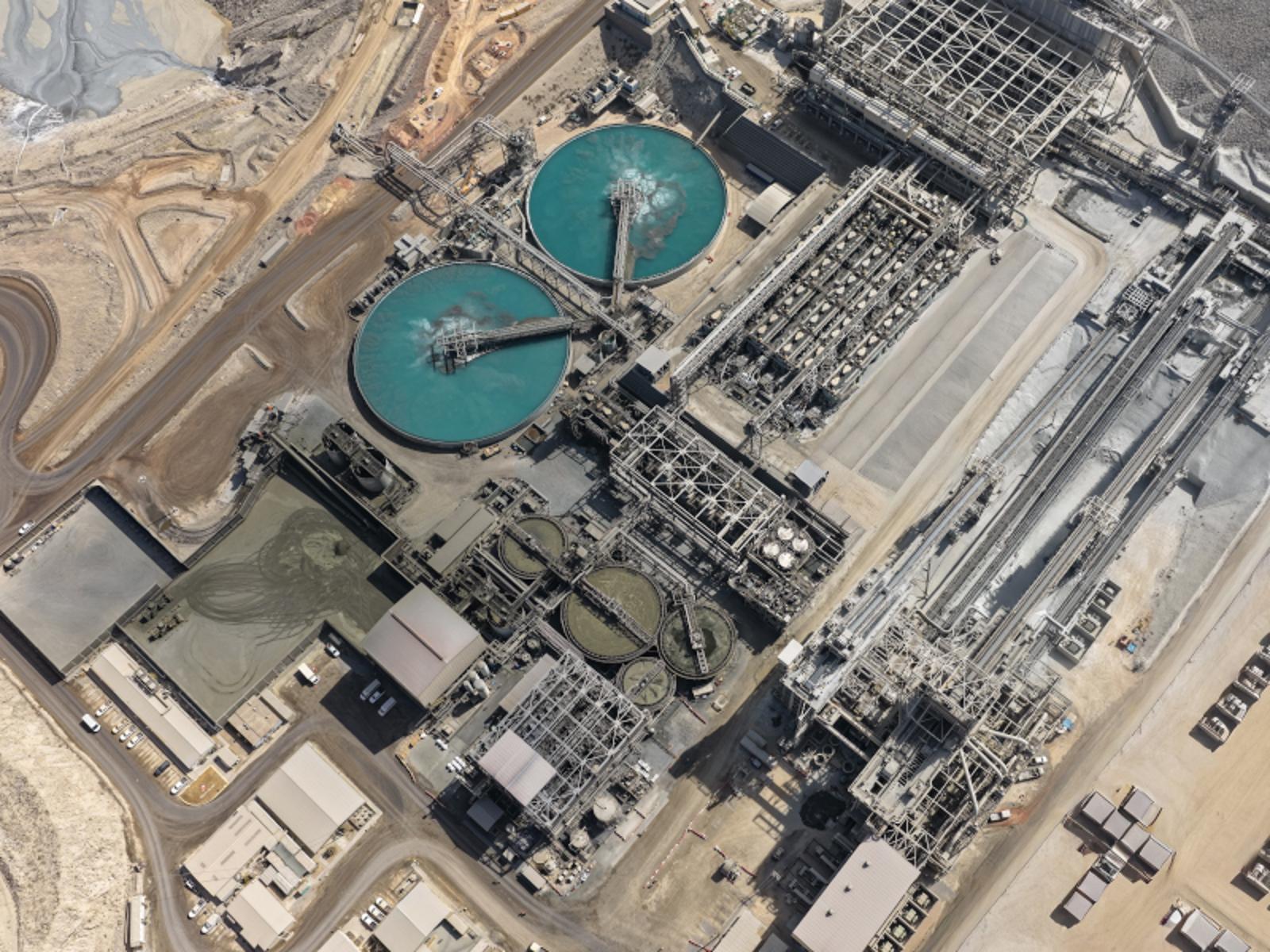
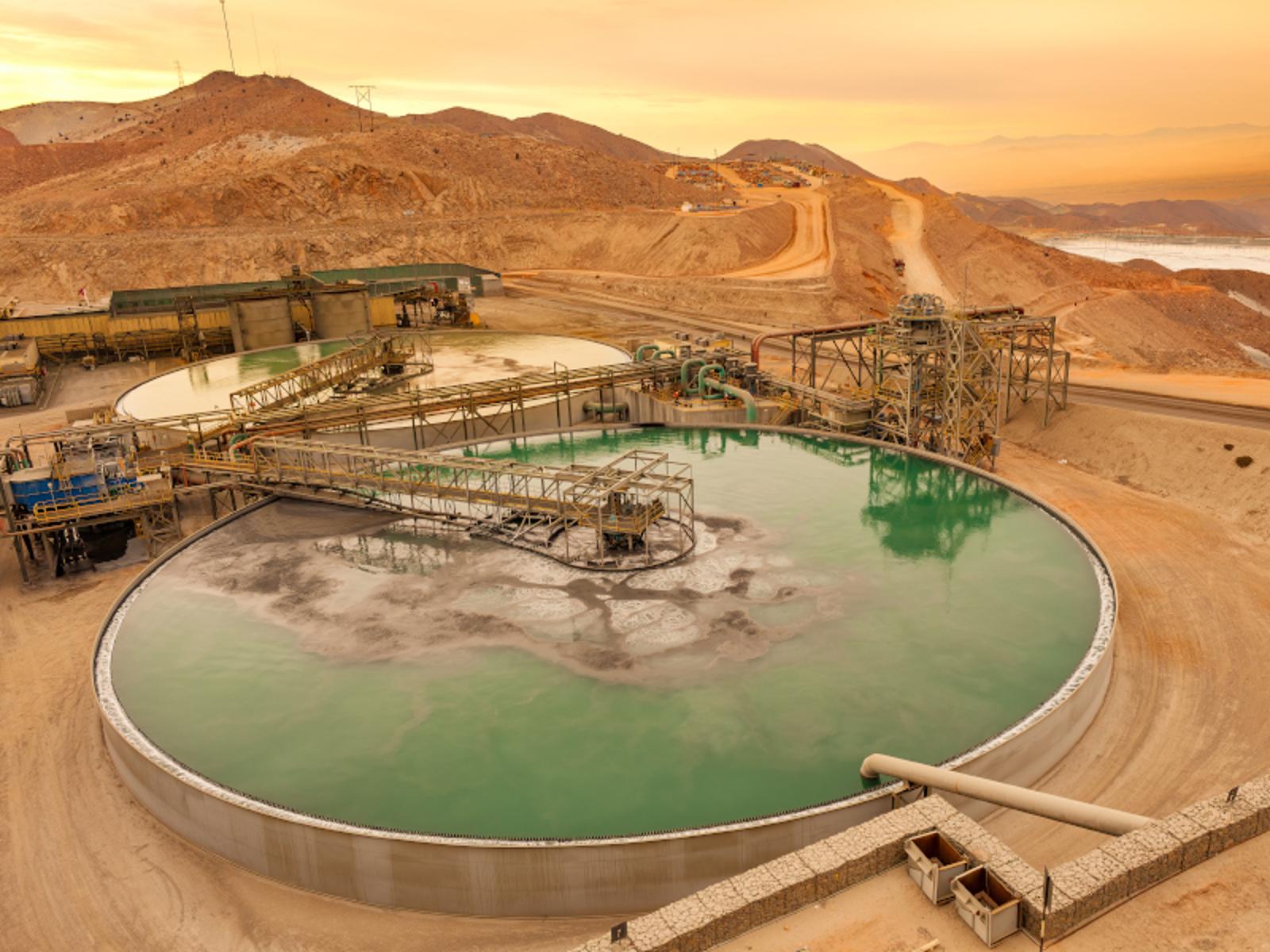
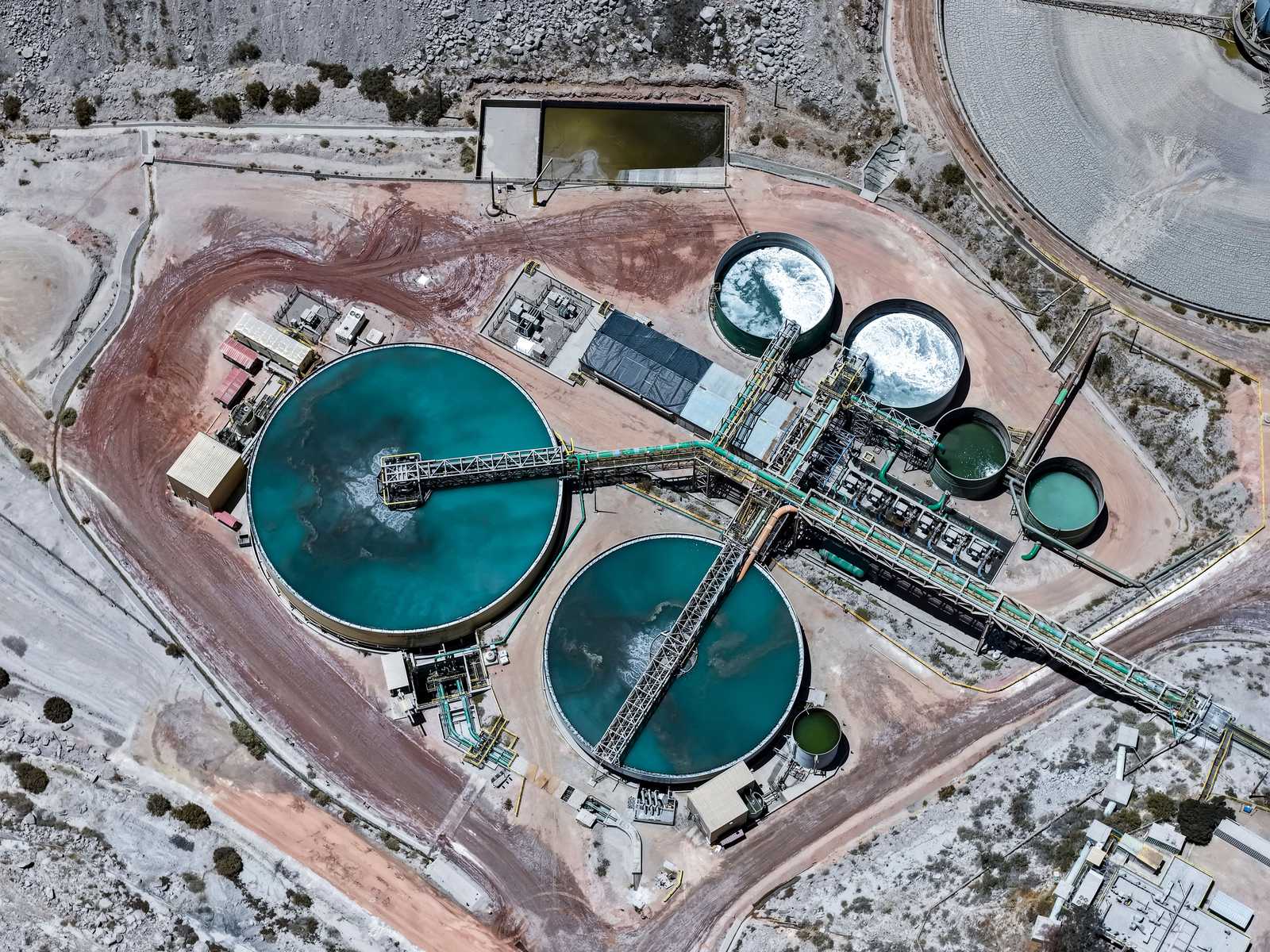
In thickening and clarification, flocculants are among the most important reagent types. They help fine particles form larger flocs, so solids can settle faster and overflow water can become clearer. In flotation, collectors, frothers, depressants, and modifiers influence separation between valuable and unwanted minerals. In water treatment or tailings handling, additional chemicals may be used to support clarification, pH control, or solids management.

The common thread is control. Reagents are added to guide the process toward a more stable and useful result.

Why Accurate Dosing Matters

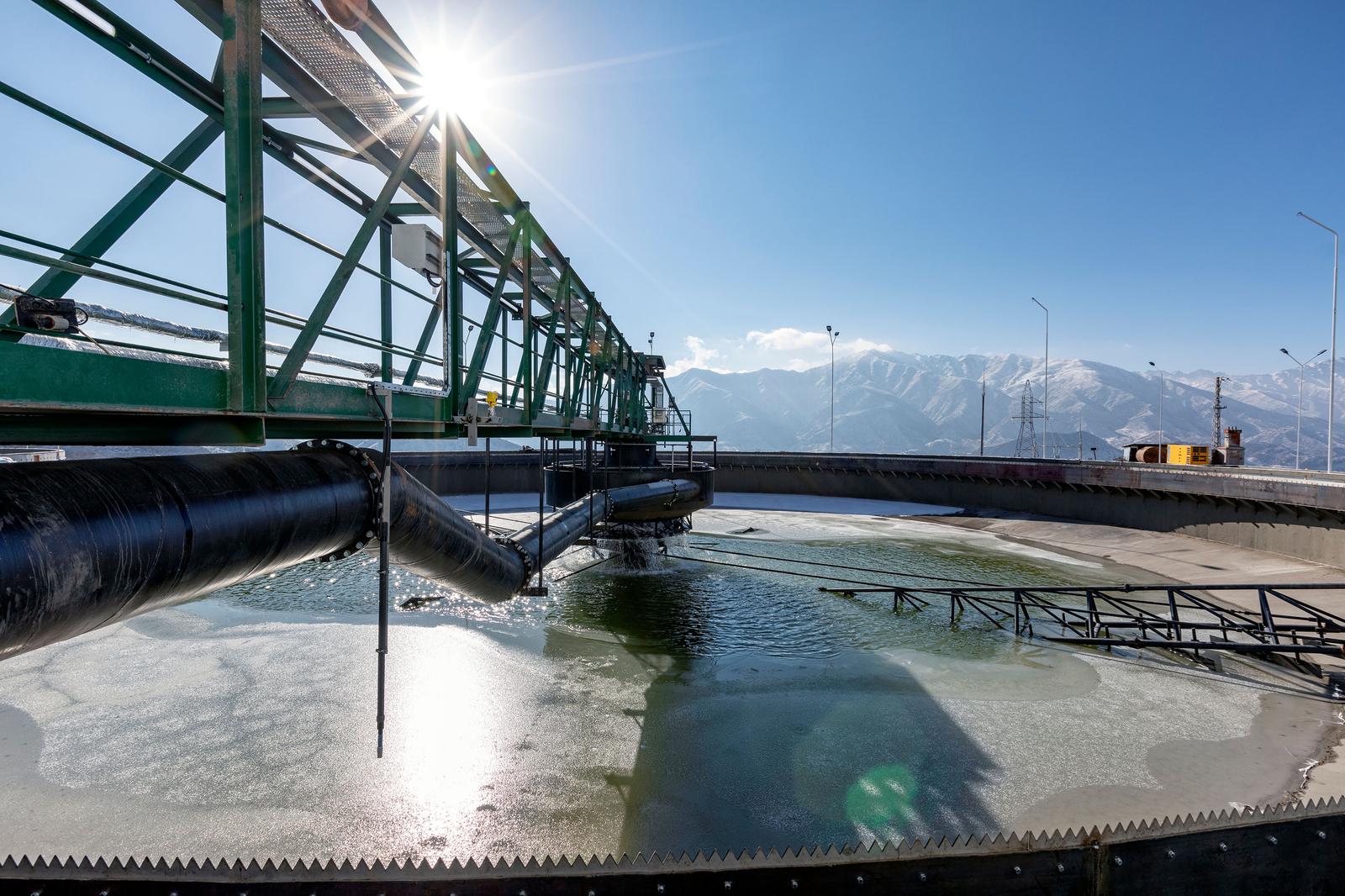
A reagent only creates value when it reaches the process in the right amount and in usable condition. If the dose is too low, the intended effect may be incomplete. Solids may settle too slowly, overflow may carry more fines, flotation selectivity may suffer, or the process may require more correction downstream. If the dose is too high, the result is not automatically better. Overdosing can increase cost, disturb process balance, and create secondary problems that are harder to correct.

This is especially important in mining because reagent demand is rarely fixed. A change in ore blend, particle size, slurry density, pH, or water quality can change the amount of chemistry needed for the same process result. A dosing rate that worked yesterday may be too much or too little under today’s conditions. Stable reagent dosing therefore depends on measurement, control, and a clear understanding of how the process is responding.

Reagent Dosing Is Part of Process Stability

Chemical reagent dosing becomes most valuable when it supports stable operation rather than constant correction. In a thickener, that may mean more consistent settling, clearer overflow, and steadier underflow density. In flotation, it may mean better recovery, cleaner separation, and less variation in concentrate quality. In water recovery, it may mean fewer solids reporting to return water and less disruption to downstream systems.

The problem is that operators often see the symptoms before they see the cause. Overflow clarity changes. Bed level moves. Recovery drops. The first reaction may be to increase dosage, but more chemical is not always the right answer. Sometimes the issue is poor dilution, inconsistent preparation, unstable feed conditions, incorrect injection location, or mechanical stress that changes how the reagent performs.

That is why dosing should be understood as part of a wider process-control environment. The chemical matters, but so does the way it is stored, prepared, metered, diluted, mixed, and introduced into the process.

Common Reagents Used in Mining

Mining operations use different reagent groups depending on the process. In flotation, collectors help selected minerals become hydrophobic so they can attach to air bubbles. Frothers help create and stabilize the froth phase. Depressants reduce the floatability of unwanted minerals. Modifiers and pH adjusters help create the chemical environment needed for separation.

In thickening and clarification, flocculants and coagulants are used to improve solid-liquid separation. Flocculants are especially sensitive because their performance depends on polymer structure, preparation quality, dilution, and gentle handling. A polymer may be correctly selected but still underperform if it is not prepared or dosed properly.

This is where dosing integrity becomes important. The plant does not only need the correct reagent. It needs a dosing system that preserves the function of that reagent from preparation to injection.

Why Mining Makes Dosing Difficult

Chemical dosing in mining is difficult because the process is rarely steady. Ore variability changes particle behavior. Recycled water can alter chemistry. Solids concentration can fluctuate with upstream performance. Equipment conditions, residence time, and flow patterns can all influence how the reagent interacts with the slurry.

These changes make fixed dosing strategies less reliable. If reagent addition is based only on a set pump speed or a static target, it may not reflect the real conditions entering the process. This can lead to chemical waste in one operating window and underdosing in another. Over time, the plant may appear to need more reagent than it actually does, simply because the dosing approach is compensating for instability elsewhere.

Better dosing begins with understanding which variables matter most for the application. In flocculant dosing, that may include solids loading, dilution water, feedwell conditions, and settling response. In flotation, it may include feed grade, mineralogy, pH, air rate, froth behavior, and residence time. The more clearly the dosing strategy reflects the process, the more stable the result becomes.

The Role of Dosing Equipment

Dosing equipment has a direct influence on reagent performance. It determines how consistently the chemical is delivered, how accurately the flow can be adjusted, and how gently sensitive reagents are handled. For robust chemicals, this may be mainly a question of accuracy and reliability. For polymer-based reagents, mechanical handling itself can become part of the chemistry problem.

Flocculants, for example, depend on long polymer chains to support particle bridging. Excessive shear, poor preparation, or aggressive pumping can reduce the effective performance of the polymer before it reaches the process. In that case, the dosing system may be feeding the correct volume but delivering less functional chemistry than expected.

This is why reagent dosing should not be reduced to chemical flow alone. The system must protect the condition of the reagent as well as its quantity.

From Chemical Feed to Separation Performance

The strongest reagent dosing strategies are built around process outcomes, not only chemical addition. In thickening, the outcome may be stable bed behavior, clear overflow, and predictable underflow. In flotation, it may be recovery and concentrate quality. In clarification, it may be water quality and solids control. The dosing system should support these outcomes without forcing operators into constant manual adjustment.

That means chemical reagent dosing in mining is both a chemistry question and a mechanical question. The reagent must be selected correctly. The dosage must be measured and controlled. The delivery system must preserve reagent integrity. When those elements work together, dosing becomes less reactive and the process becomes easier to stabilize.

Stabilize Separation, Not Just Feed Chemicals

Chemical reagent dosing in mining is not only about adding chemicals into a process stream. It is about creating stable conditions for separation. When dosing is accurate, responsive, and gentle enough for the reagent involved, the plant is better able to manage variability without excessive chemical use or repeated correction.

That is the broader principle: Stabilize separation, not just feed chemicals. The goal is not simply to move reagent from a tank to a process line. It is to make sure the chemistry reaches the process in a condition that supports the separation result the plant depends on.

Read More About Flocculant Dosing