Products
Pumps
Pump Systems
Digital Solutions
Shredding Systems
Applications
Environmental Technology
Biogas Handling
Mining and Mineral Processing
Food and Beverage Industry
Oil, Gas and Petrochemicals
Pulp & Paper Industry
Additional Markets
Media
News
Fairs & Events
Downloads
Videos
Knowledge on Demand
SEEPEX Technologies
Security Publications
Services
SEEPEX Care Service Programs
Original Parts
Commissioning
24-Hour Helpline
Technical Basic Pump Training
Services
Company
About SEEPEX
Career
Locations

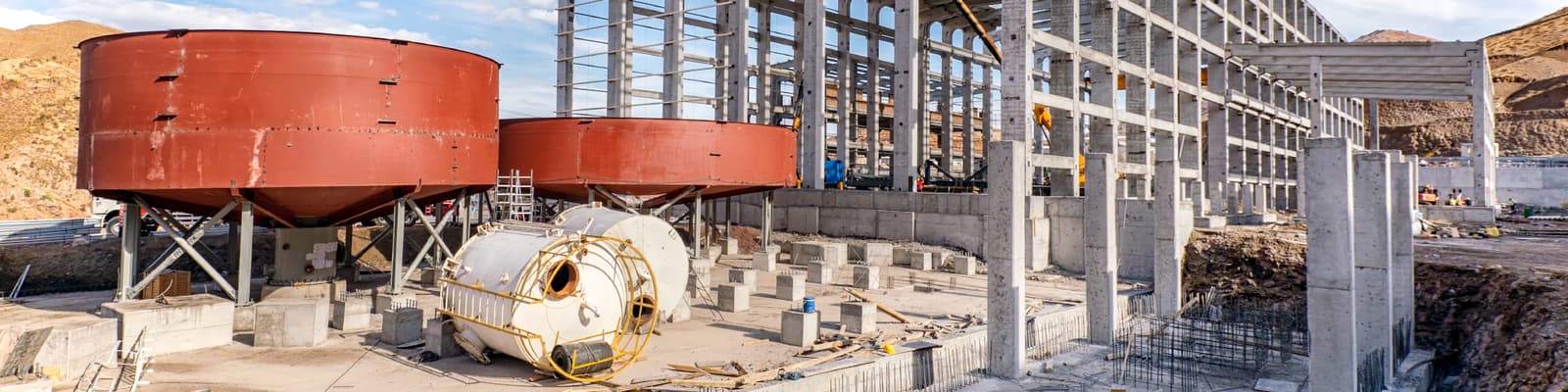
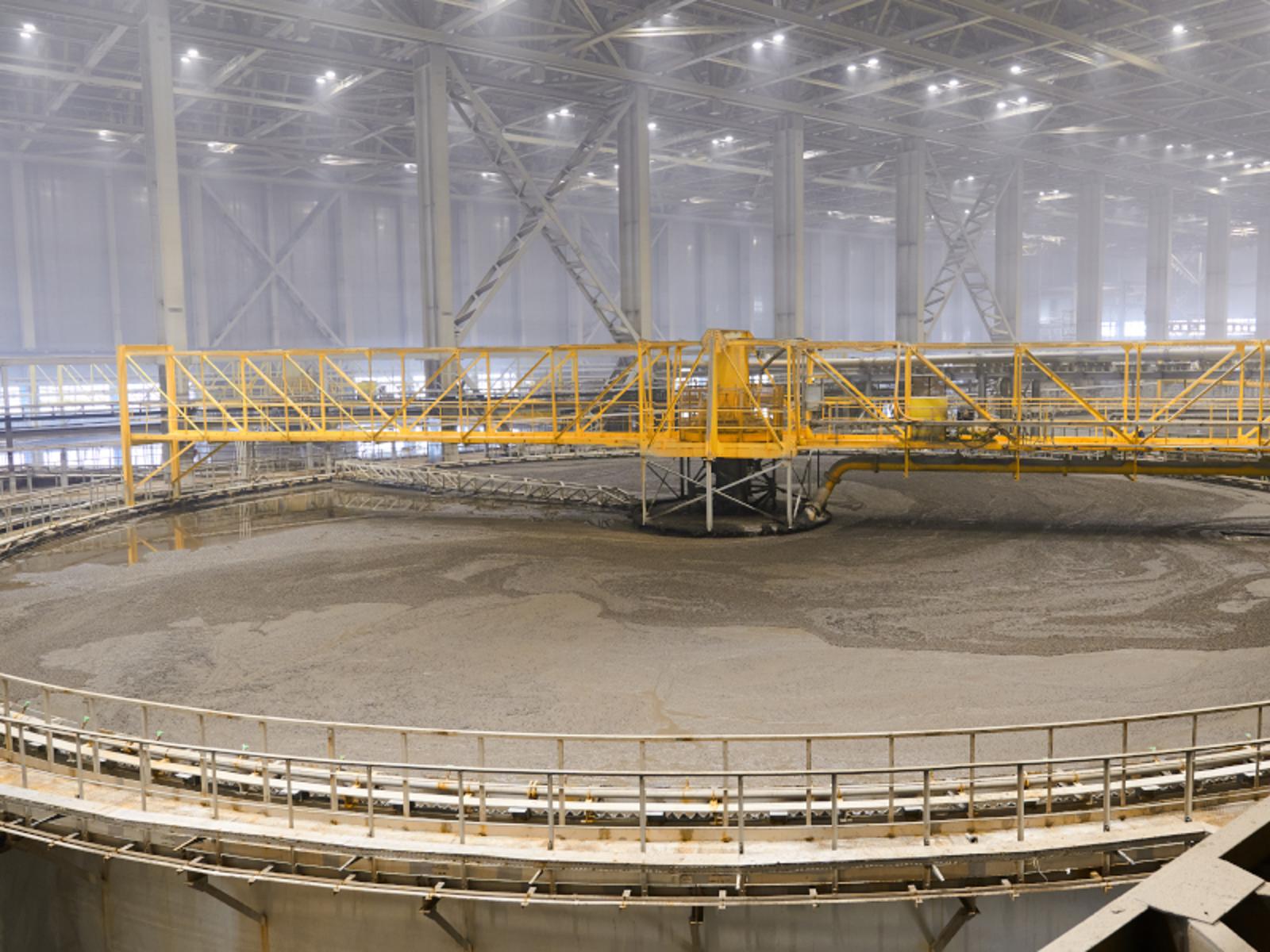
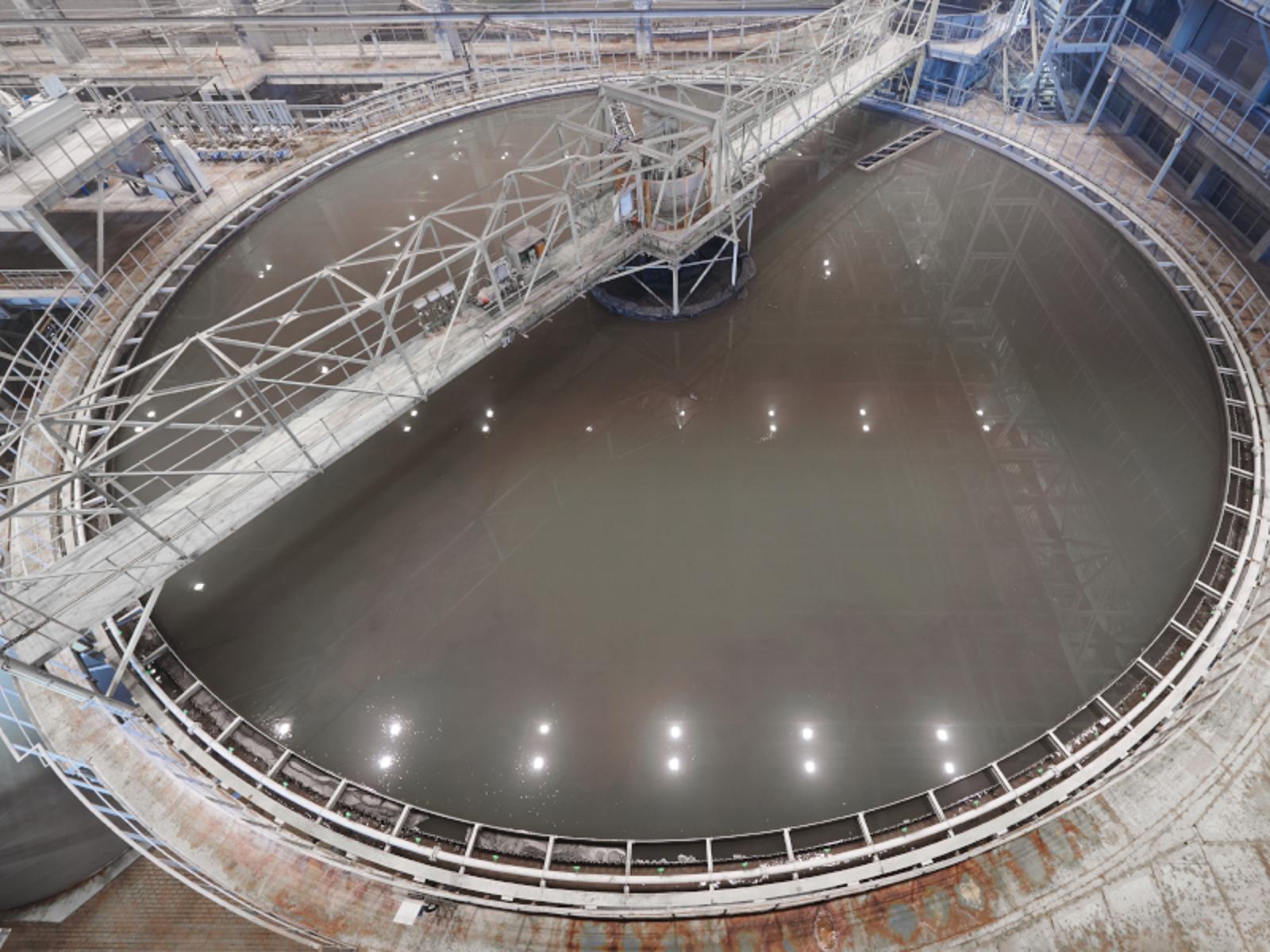
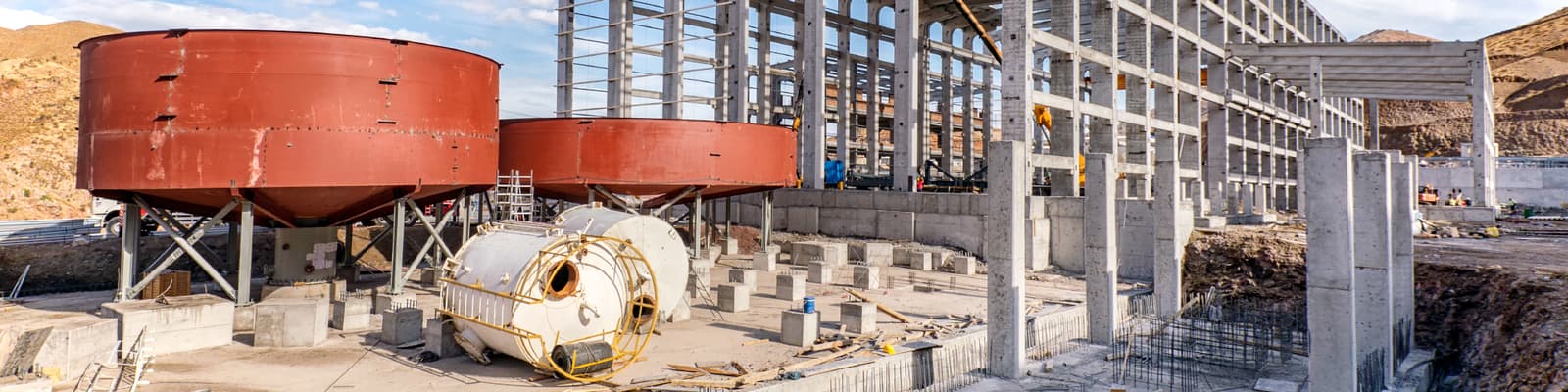
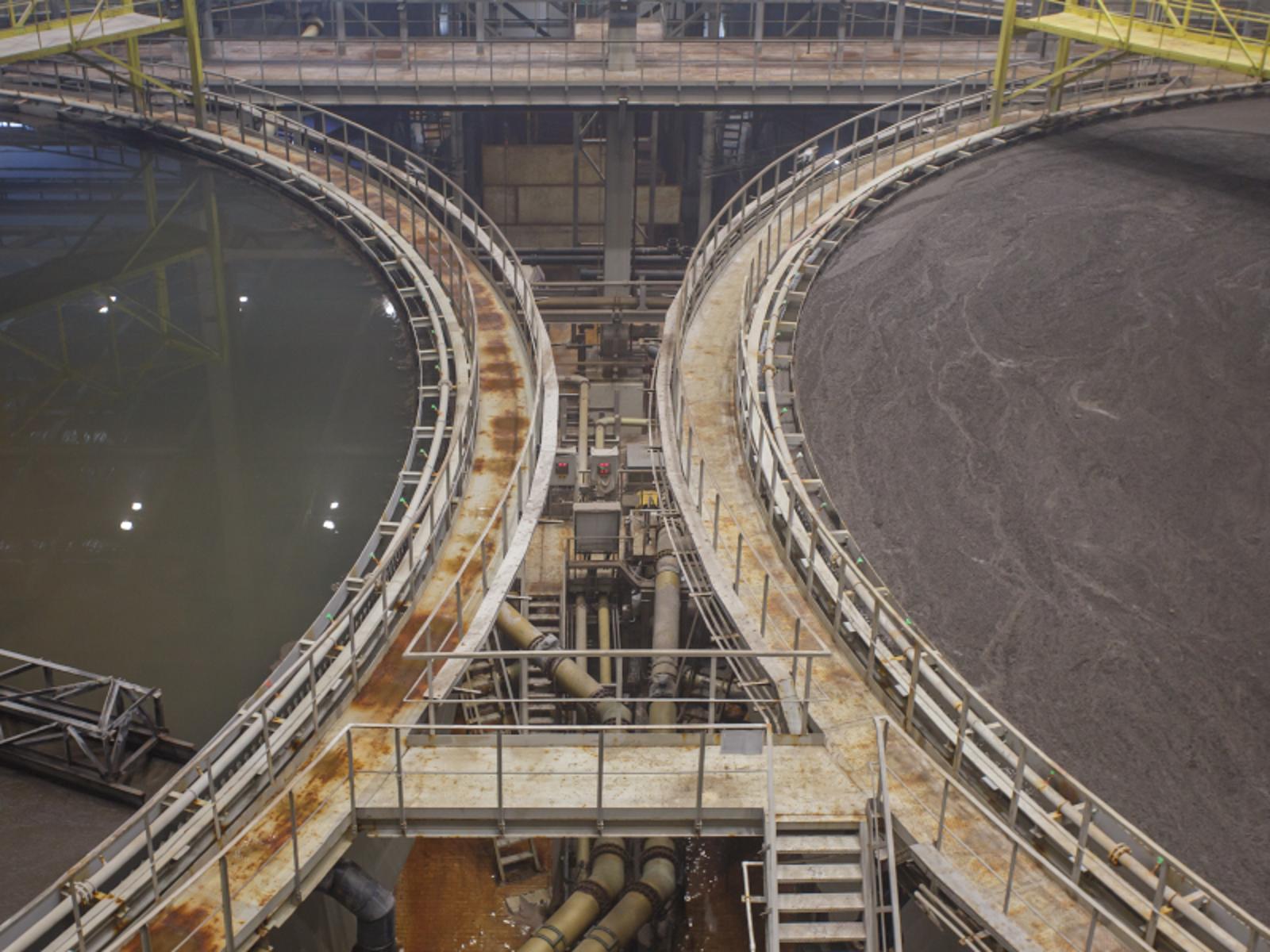
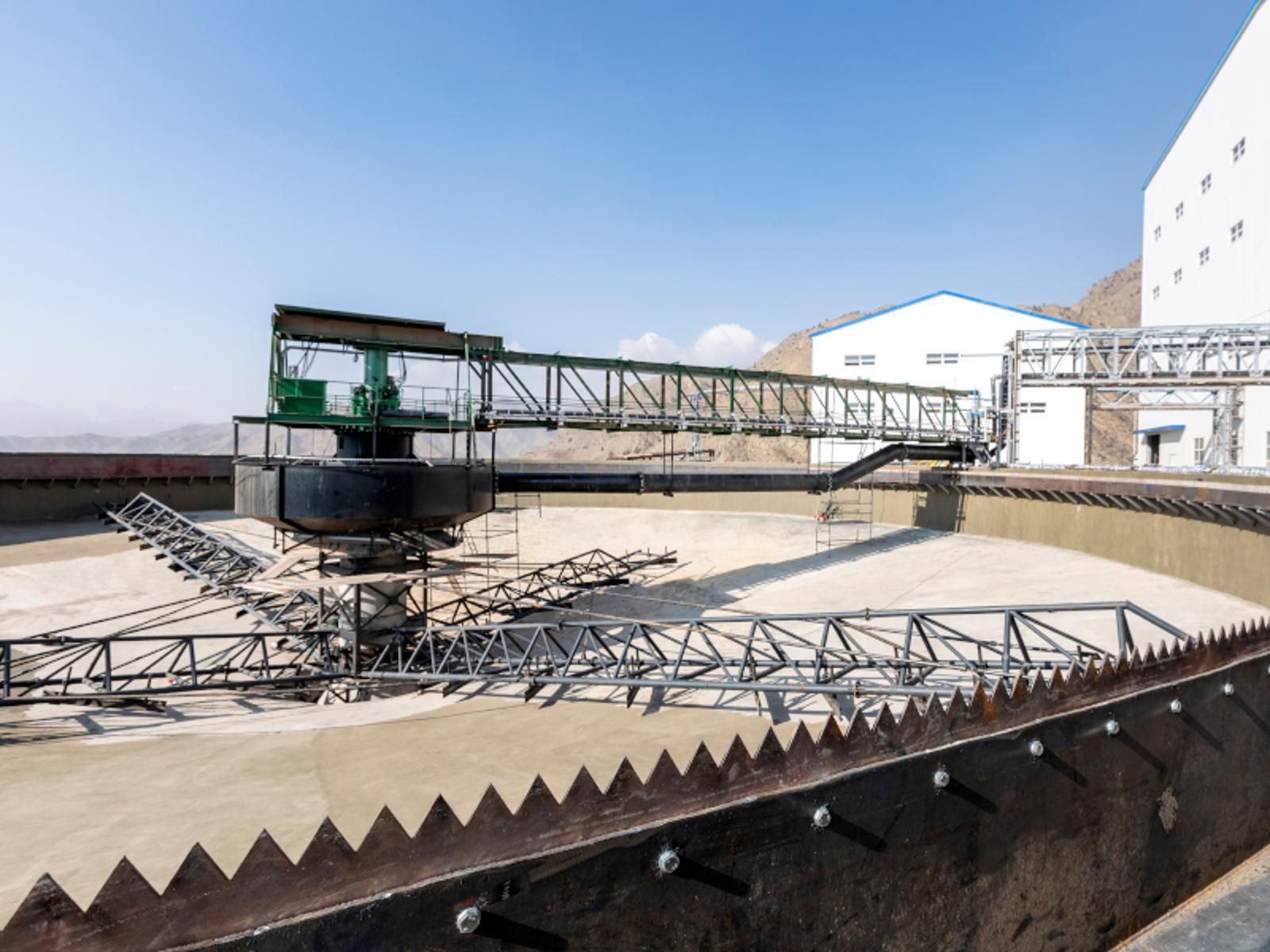
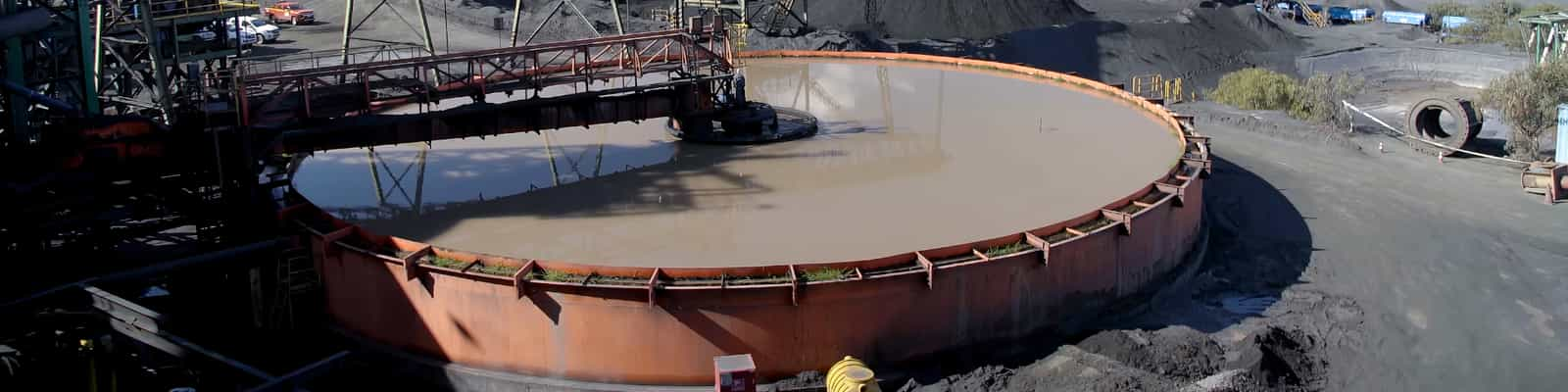
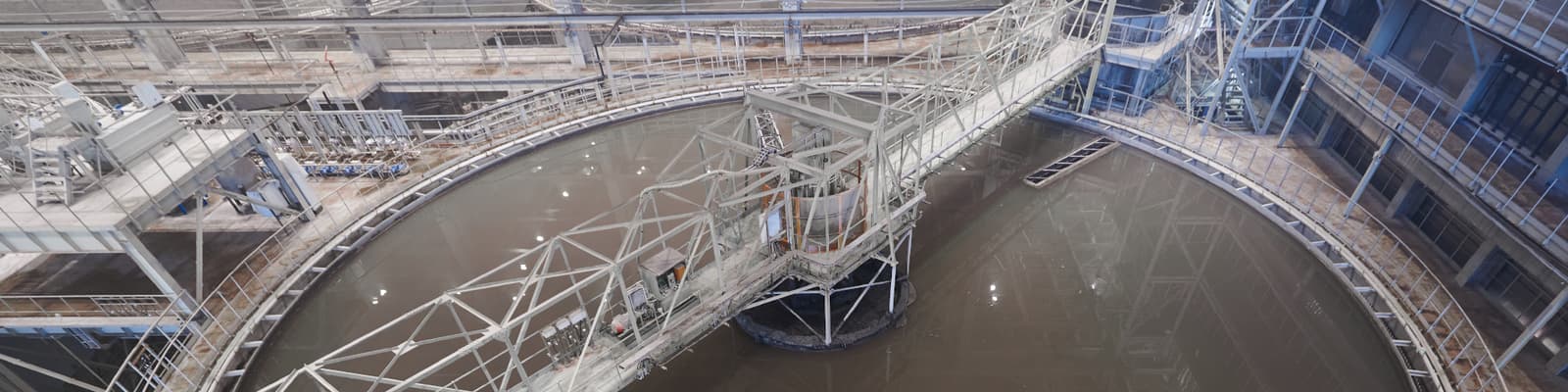
Thickeners separate mineral solids from process water. As particles settle, clarified water leaves through the overflow for recovery and reuse, while the concentrated solids discharge through the underflow. This makes the thickener an important connection between solid-liquid separation, water management, and downstream mineral processing.


The process does not end when the solids reach the bottom of the thickener. The concentrated underflow must still leave the vessel, enter the pump, and move through the pipeline at a controlled rate. If transfer becomes unstable, valuable mineral solids may accumulate, the underflow line may restrict, and the thickener may move away from its intended operating condition.


The objective is to keep recovered solids moving without turning the underflow line into the next process constraint.

What Is Thickener Underflow?

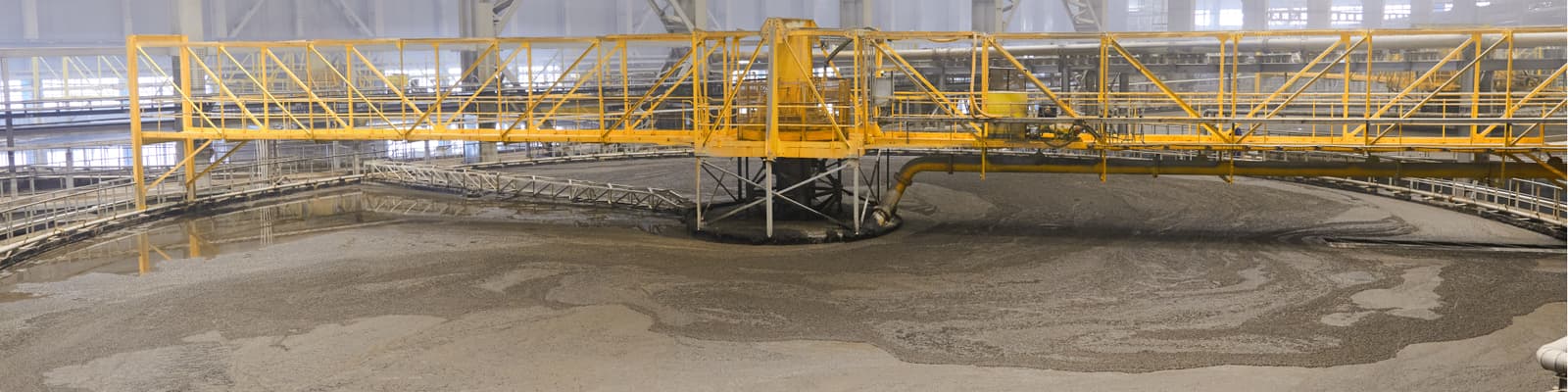
Thickener underflow is the concentrated slurry discharged from the bottom of a thickener after solids have settled out of suspension.

The material contains mineral particles, water, and any process chemicals used to support settling. Its solids concentration is higher than that of the incoming feed because part of the water has separated and moved toward the overflow.

Underflow behavior depends on the mineral, particle-size distribution, solids concentration, temperature, residence time, and chemical conditions inside the thickener. These variables influence how easily the concentrate flows toward the discharge point and how much pressure is needed to transfer it downstream.

The material may still appear fluid, but it does not necessarily behave like water or a low-viscosity slurry. As solids concentration increases, the underflow can become more resistant to movement and more sensitive to changes in pumping conditions.
Why Underflow Transfer Matters

The thickener’s purpose is not simply to produce a dense slurry. Its underflow must also reach the next process in a usable and controlled condition.

Depending on the mineral-processing route, thickened concentrate may move toward filtration, further dewatering, storage, conditioning, or another recovery step. Irregular transfer can interrupt that progression and weaken coordination between the thickener and downstream equipment.

Underflow pumping also affects water recovery. If the concentrate requires unnecessary dilution before it can be pumped, water that has already been separated may be returned to the underflow. That may make transfer easier temporarily, but it reduces solids concentration and moves additional liquid into downstream processing.

Reliable handling preserves the purpose of thickening: separating water while keeping concentrated mineral solids moving.

High Solids Change How the Slurry Flows

As solids concentration increases, less free water remains between the mineral particles. The particles interact more closely, making the underflow more resistant to starting and continuing to flow.

This behavior is described through rheological properties such as yield stress and apparent viscosity. Yield stress is the minimum applied stress required to initiate sustained flow. Apparent viscosity describes the slurry’s resistance to flow at a specified shear condition.

Both can change during operation. A variation in ore mineralogy, particle-size distribution, flocculant performance, feed conditions, bed depth, or underflow withdrawal rate may alter the material reaching the pump.

The result is not always a gradual change. Underflow may move consistently at one point and become difficult to feed or transfer after the solids concentration increases. A pump selected only for nominal flow may then operate outside the conditions for which it was configured.

Settling Continues After the Thickener

Mineral particles do not stop responding to gravity when they enter the discharge line. If underflow velocity becomes too low or the material remains stationary, solids may settle in the hopper, suction connection, or pipeline.

Settling reduces the available flow path and creates localized areas of higher solids concentration. The pump may then require additional pressure to maintain the same output. If material continues to accumulate, the line may restrict or become blocked.

Maintaining movement is therefore important, but simply increasing pump speed is not always the answer. Higher velocity can increase pressure losses and mechanical wear. Stable operation depends on matching pump output to the concentrate, pipeline, and downstream demand.

The underflow withdrawal rate, meaning the volume of concentrated slurry removed from the thickener over time, must remain aligned with the settling process and downstream demand. It must also support stable thickener operation. If concentrated slurry is removed too slowly, the settled bed may continue to build. If it is removed faster than the thickener can supply material at the required concentration, the underflow may contain more water and fewer solids than intended.

Abrasive Solids Affect Pumping Equipment

Mineral concentrate contains particles that contact the pump and delivery system throughout operation. The effect of those particles depends on their hardness, shape, size, concentration, velocity, and the pressure required for transfer.

Wear cannot be eliminated. It must be considered in pump selection, operating speed, component choice, inspection, and maintenance planning.

Abrasive duty may gradually change pump performance before an obvious failure occurs. Increasing internal clearances or deteriorating pumping elements can affect output, pressure capability, and operating stability.

Monitoring actual equipment condition is therefore more useful than relying on a universal service interval. The concentrate, duty cycle, and installation determine how quickly components wear.

Process Variation Changes the Pumping Duty

Thickener underflow is rarely constant throughout the life of a mine or even across a single operating shift.

Feed composition, production rate, water balance, flocculant addition, settling behavior, and downstream demand can all affect underflow conditions. The pump may encounter changes in solids content, viscosity, yield stress, and pressure within the same installation.

This variation makes controllable output important. Underflow withdrawal must respond to the process without creating sudden flow peaks or long periods of insufficient removal.

Positive-displacement pumping provides a direct relationship between pump speed and theoretical delivery. Adjusting speed allows the transfer rate to respond to changing conditions within the selected operating range. Smooth, pulse-free flow also avoids pressure peaks caused by pump pulsation and supports a stable supply to downstream equipment.

The Pump and Pipeline Work as One System

Pump performance cannot be separated from the equipment around it. The thickener discharge arrangement, suction conditions, pipeline diameter, distance, elevation changes, bends, and downstream pressure all influence the complete duty.

A restricted inlet can prevent dense underflow from reaching the pumping elements consistently. An undersized or unnecessarily complex pipeline can increase pressure demand. Long horizontal sections or low points may create areas where solids collect during reduced flow or stoppages.

The system must also allow for cleaning, inspection, and maintenance. Underflow that remains stationary may consolidate or settle, making restart more difficult. Access to critical connections and pump components becomes especially important where available space is limited.

Reliable Handling Protects Concentrate Recovery

Thickener underflow handling connects separation with recovery. The thickener concentrates the valuable mineral solids, but the transfer system determines whether that concentrate continues smoothly toward the next process.

Reliable pumping depends on understanding how solids concentration, viscosity, yield stress, settling, abrasion, and pipeline conditions interact. The pump must provide controlled delivery across the expected operating range without relying on excessive dilution or pressure.

When the underflow system is matched to the actual concentrate and downstream duty, recovered solids can continue moving while separated water remains available for process reuse. Thickening then functions as part of a connected recovery process rather than an isolated separation step.

Read More About Thickener Underflow Recovery Solutions