Products
Pumps
Pump Systems
Digital Solutions
Shredding Systems
Applications
Environmental Technology
Biogas Handling
Mining and Mineral Processing
Food and Beverage Industry
Oil, Gas and Petrochemicals
Pulp & Paper Industry
Additional Industries
Media
News
Fairs and Events
Downloads
Videos
Knowledge on Demand
SEEPEX Technologies
Security Publications
Services
SEEPEX Care Service Programs
Original Parts
Commissioning
24-Hour Helpline
Services
Company
About SEEPEX
Career
Locations
Build America, Buy America

Flocculant dosing is one of the quiet control points behind stable thickening and clarification in mining. When it works well, solids settle more predictably, overflow clarity improves, and process water can be recovered with fewer disruptions. When it does not, the thickener becomes harder to control.

Bed levels shift, overflow quality changes, underflow density becomes less consistent, and operators may respond by adding more chemical than the process needs. In that sense, flocculant dosing is not only a reagent issue. It is part of how stable the separation process becomes.


For many mining operations, the challenge is not simply choosing a flocculant. It is preparing, measuring, and dosing it consistently enough for the chemistry to perform as intended. Feed conditions change with ore type, particle size distribution, slurry density, pH, and upstream process variation.

Those changes influence how solids respond to the polymer and how much chemical is needed at a given moment. This is why flocculant dosing measurement matters: without reliable dosing information, separation control becomes reactive rather than stable.

What Are Flocculants?

Flocculants are chemicals used to help fine particles come together into larger aggregates, often called flocs. In mining and mineral processing, they are commonly polymer-based reagents used to improve solid-liquid separation. Instead of allowing fine particles to remain suspended in water, the polymer helps connect them into larger structures that settle more quickly and separate more cleanly from the liquid phase.

That basic principle is simple, but the performance is sensitive. A flocculant needs to be prepared correctly, diluted properly, and introduced into the process under the right conditions. If the polymer is poorly mixed, underprepared, overdosed, or exposed to excessive mechanical stress, the effective chemistry reaching the solids may not match the intended dose. That is why the practical question is not only what are flocculants, but how well they are handled before they reach the thickener or clarifier.
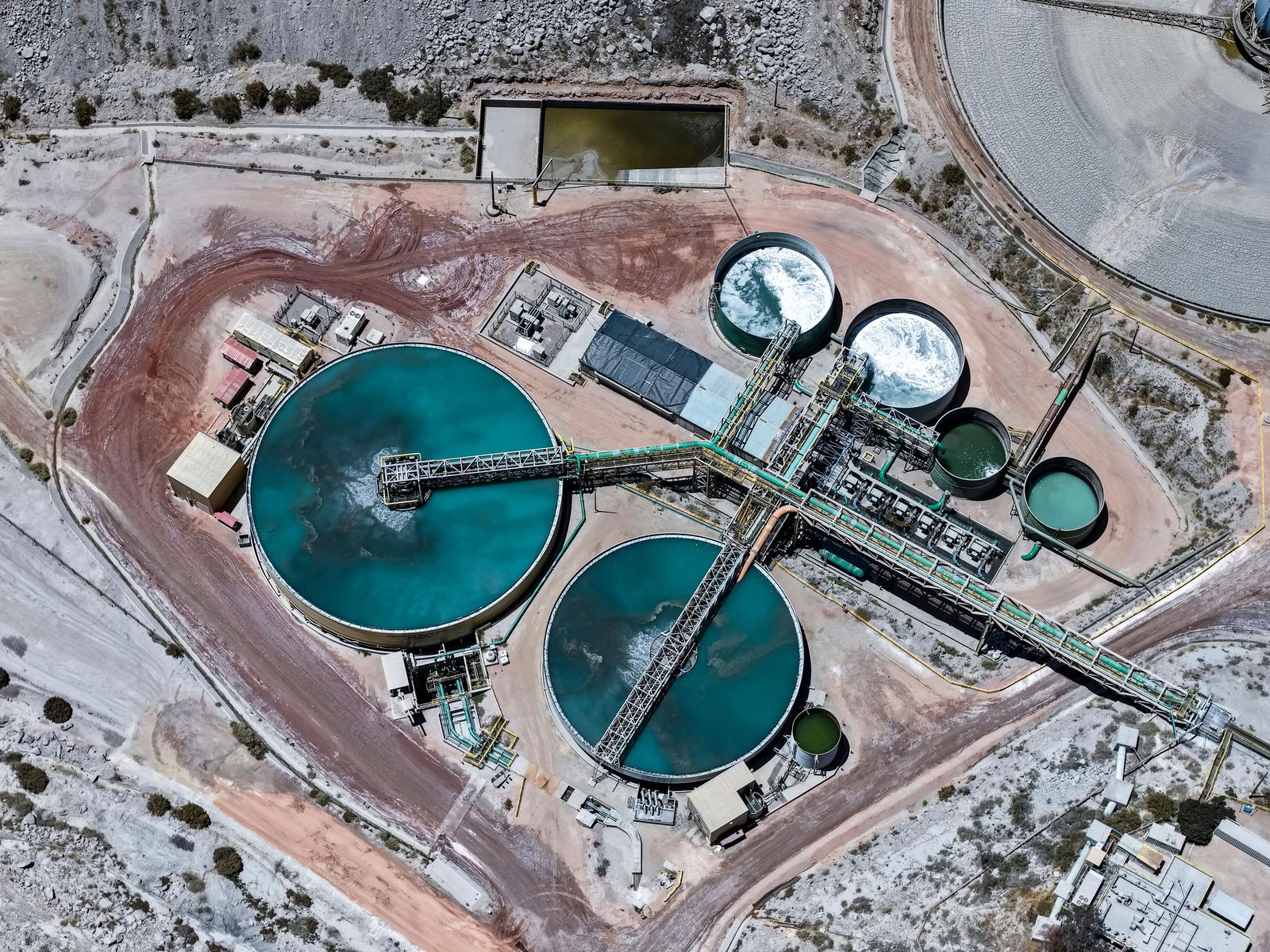
Why Flocculant Dosing Matters in Mining

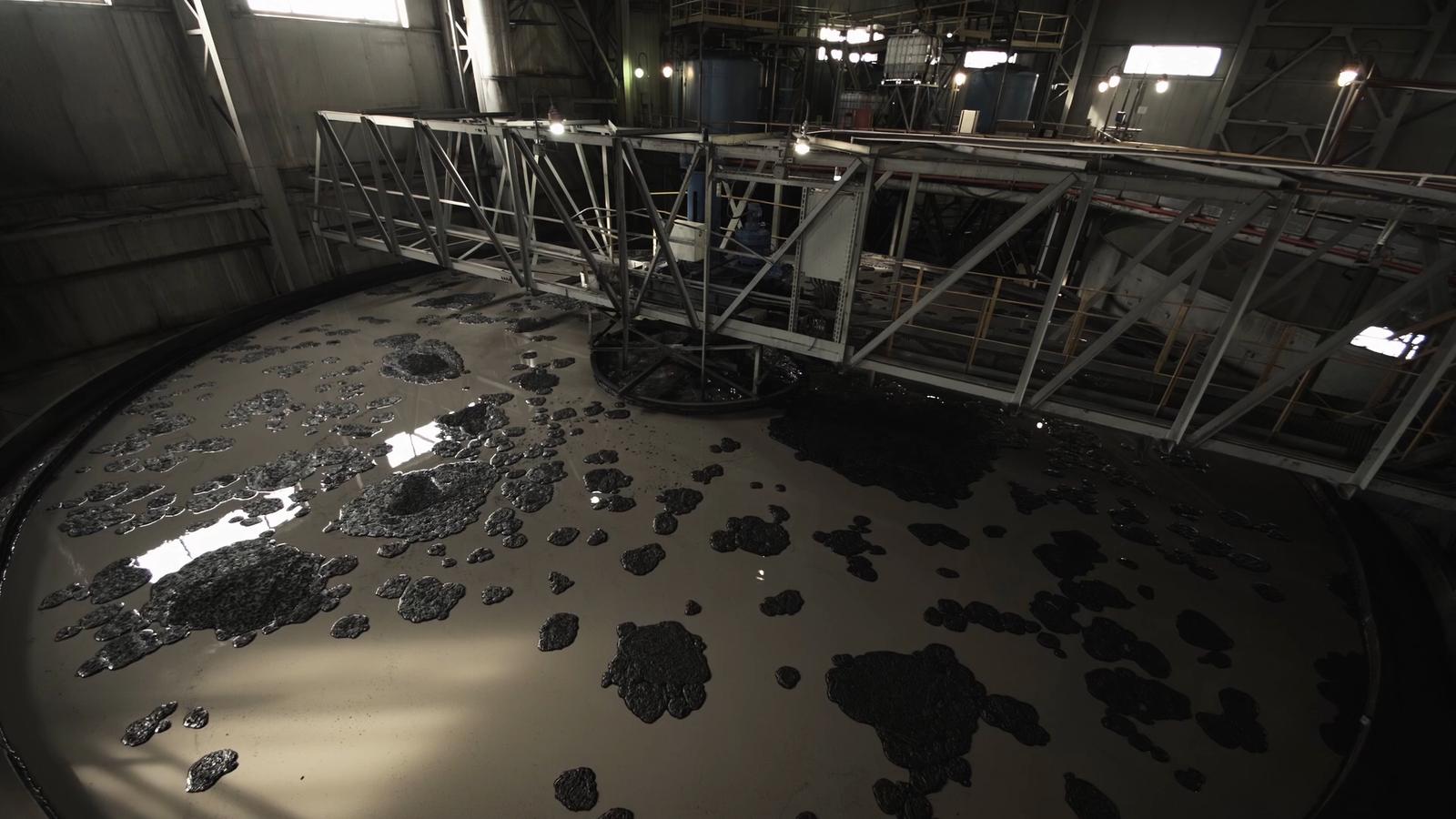
In thickening and clarification, flocculant dose affects the balance between settling rate, overflow clarity, underflow density, and reagent consumption. Too little flocculant can leave fine particles suspended, slowing settlement and reducing overflow quality. Too much flocculant can increase chemical cost and may create unstable separation behavior rather than a better result. Stable performance usually sits between those two limits, where the dose supports settling without wasting reagent or disturbing the process.

This balance is difficult because mining feed streams are rarely constant. Ore variability, changes in the grinding circuit, shifts in water chemistry, and fluctuations in slurry density all influence the way solids respond to flocculant. A dose that works well under one operating condition may be too low or too high when the feed changes. That is why flocculant dosing in mining should be understood as a control issue, not simply a chemical addition task.

How Flocculant Dosing Is Measured

Flocculant dosing can be measured in several ways, depending on the design of the preparation and dosing system. At a basic level, operators may track pump speed, flow rate, dilution water, polymer concentration, and dosing rate relative to slurry feed. More advanced systems may also use process signals such as solids loading, bed level, overflow clarity, underflow density, or settling behavior to understand whether the dose is producing the intended separation response.

The important point is that dosing measurement is not only about confirming that chemical is moving through a line. It is about understanding whether the correct amount of active polymer is reaching the process in a condition that can still perform. A measured flow rate does not automatically guarantee effective flocculation if the polymer has been poorly prepared, diluted incorrectly, or damaged before injection. In mining, the chemistry is valuable only when it reaches the solids with enough integrity to create stable flocs.

Where Measurement Connects to Thickener Performance

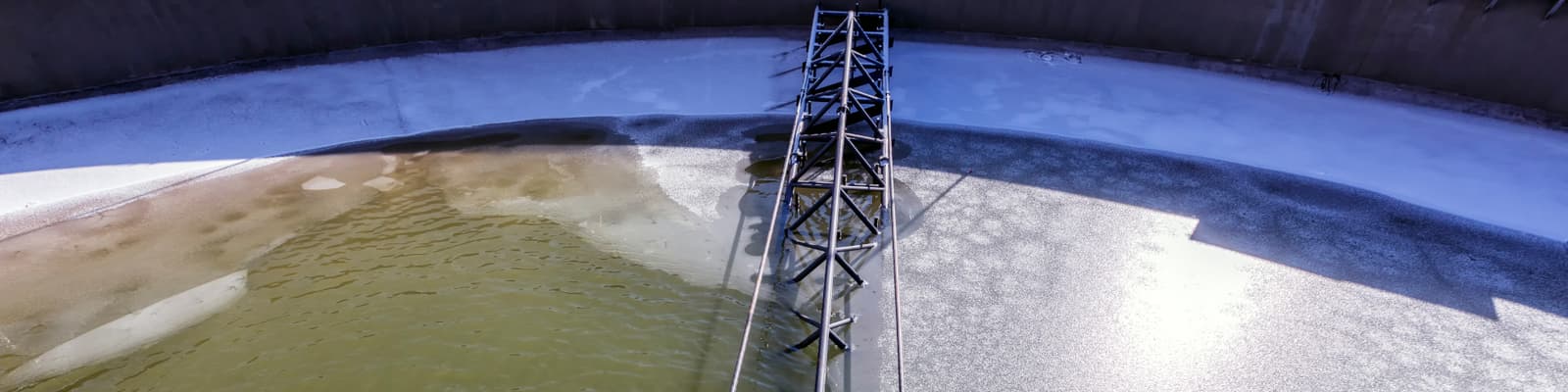
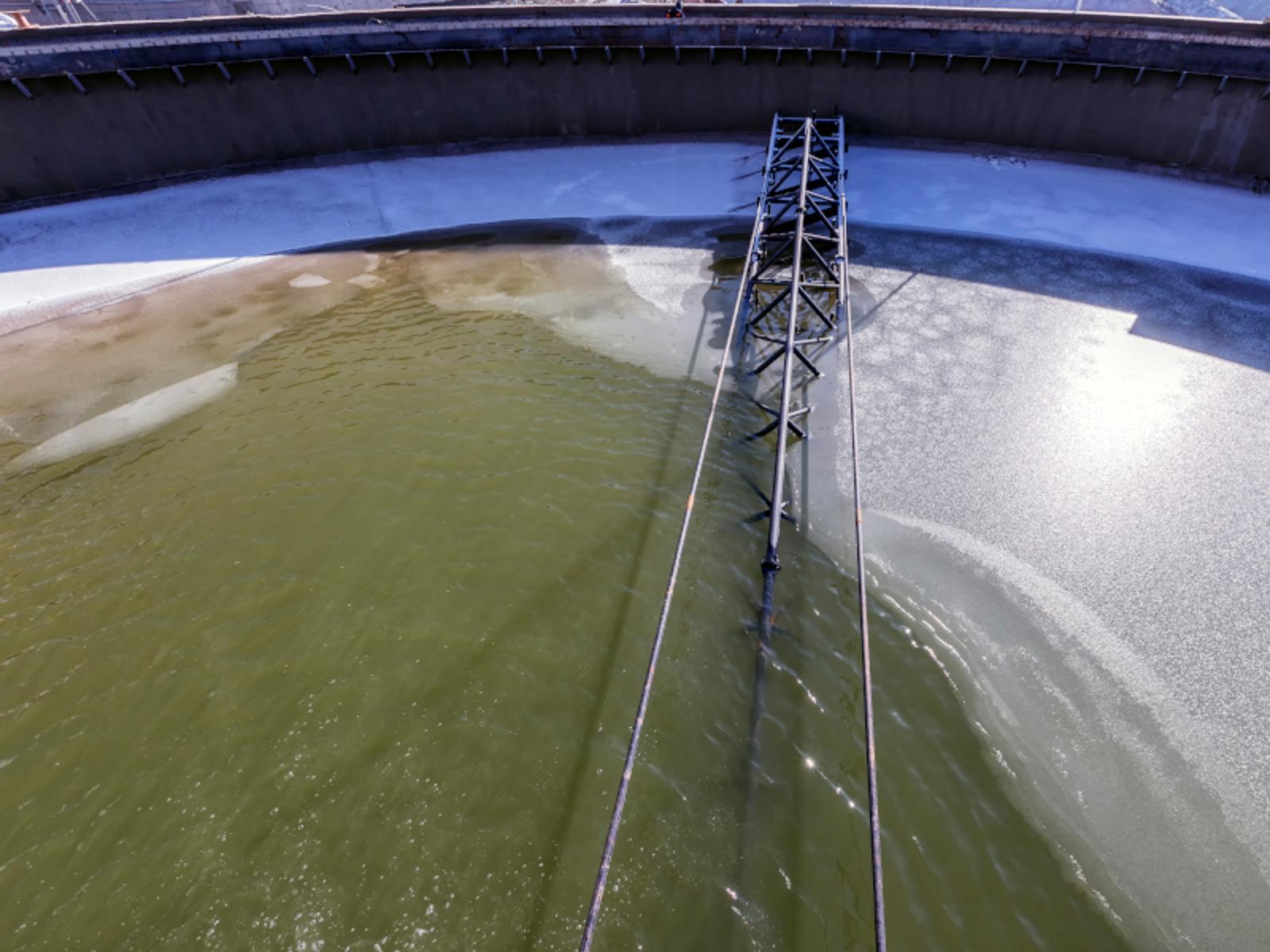
In a thickener, flocculant dosing shows up in several operating signals. Clearer overflow may indicate that fine particles are being captured more effectively. A more stable bed level can suggest better control of the solids inventory. More consistent underflow density shows that the thickener is separating at a steadier rate. None of these signals should be interpreted alone, but together they help operators understand whether flocculant dosing is supporting or destabilizing the process.

This is why thickener control often looks beyond chemical flow alone. Flocculant addition may need to respond to changes in solids loading, feed condition, bed behavior, or overflow quality. The more reliable the measurement, the easier it becomes to avoid chasing symptoms after the process has already drifted. Instead of increasing chemical reactively, operators can bring the system closer to stable control.

Why Stable Dosing Is Difficult

Stable dosing is difficult because every part of the polymer path affects the final result. Polymer preparation needs to be consistent. Dilution needs to support proper dispersion. The injection point needs enough mixing to distribute the flocculant, but not so much energy that the forming flocs are damaged. If one of these steps is unstable, the measured dose may look correct while the thickener response still drifts.

Shear is one of the hidden factors. Flocculants rely on long polymer chains to help connect fine particles. Excessive mechanical stress can reduce the effectiveness of those chains or weaken the flocs after they begin to form. In practical terms, that means the dosing system should not only be accurate. It should also be gentle enough to preserve the chemistry it is delivering.

Measurement Protects Dosing Integrity

The purpose of flocculant dosing measurement is not only to reduce chemical consumption, although that is often an important benefit. Its larger purpose is to protect dosing integrity. Operators need to know that the polymer has been prepared correctly, delivered consistently, and introduced into the process in a way that supports separation rather than undermining it. When that happens, thickening and clarification become less dependent on manual correction and more capable of stable performance.

This matters especially when a plant is trying to improve separation without simply increasing reagent use. More chemical is not always the answer. In many cases, better measurement, better preparation, and gentler handling create a more stable result than a higher dose.

From Measurement to Better Separation Control

Flocculant dosing in mining sits at the intersection of chemistry, measurement, and mechanical handling. Chemistry creates the possibility of faster settling and clearer overflow. The measurement helps confirm whether the right amount is being delivered. The dosing system influences whether the polymer reaches the process with enough integrity to work as intended. If any of those elements is weak, separation can become unstable even when the selected flocculant is technically correct.

That is why flocculant dosing measurement should be treated as more than a basic instrumentation detail. It is one of the ways mining operations understand and control the quality of their separation process. As the topic moves deeper into system design, the next questions become more specific: how polymer systems should be built, how shear affects flocculant performance, and how dosing stability becomes a measurable mining performance variable.

Read More About Flocculant Dosing