Products
Pumps
Pump Systems
Digital Solutions
Shredding Systems
Applications
Environmental Technology
Biogas Handling
Mining and Mineral Processing
Food and Beverage Industry
Oil, Gas and Petrochemicals
Pulp & Paper Industry
Additional Industries
Media
News
Fairs and Events
Downloads
Videos
Knowledge on Demand
SEEPEX Technologies
Security Publications
Services
SEEPEX Care Service Programs
Original Parts
Commissioning
24-Hour Helpline
Services
Company
About SEEPEX
Career
Locations
Build America, Buy America

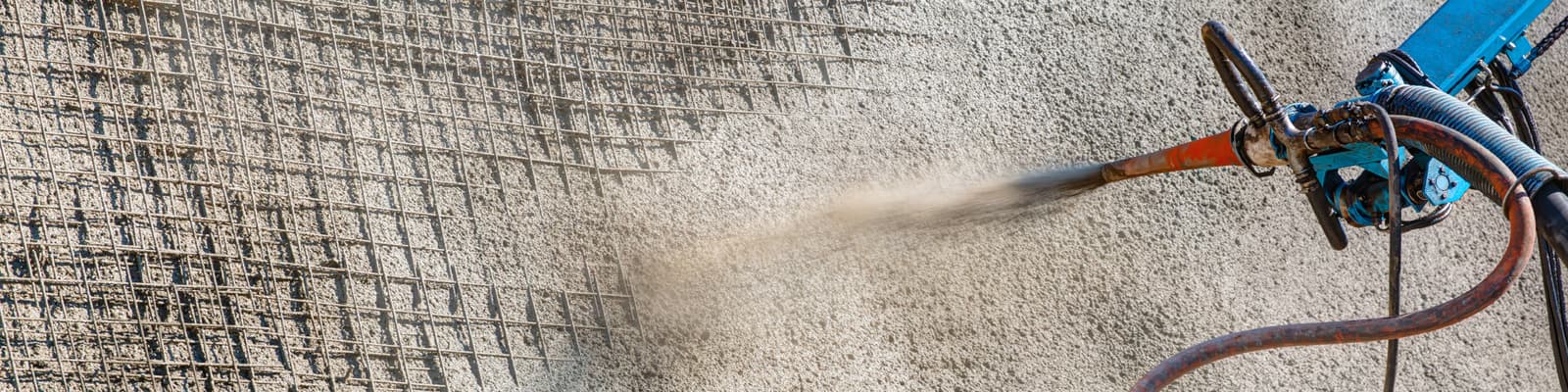
Shotcreting must keep pace with underground development. An interruption in material delivery brings spraying to a standstill, delays the crew, and leaves ground-support work unfinished. If the heading cannot be completed as planned, the disruption may also delay the activities that follow.


Continuous shotcreting does not mean operating indefinitely without planned stops. It means keeping wet-mix shotcrete moving predictably during application and managing unavoidable pauses before the material begins to stiffen in the system.

Interruptions Often Begin Before the Pump

A pump may appear to be the source of a stoppage even when the underlying cause begins upstream. Variations in batching, mixing, temperature, transport time, or admixture dosage can change how shotcrete behaves by the time it reaches the pumping equipment.

A delayed delivery can allow the hopper level to fall too low, interrupting the pump supply. If the next batch arrives with reduced workability, pressure may rise even though the equipment settings and pipeline remain unchanged.

Stable shotcreting therefore starts with repeatable material preparation and coordinated delivery. The pump needs a continuous supply within the expected workable range. Increasing speed or pressure cannot provide a lasting correction for inconsistent material or feeding conditions.

Uniform Flow Supports Continuous Spraying

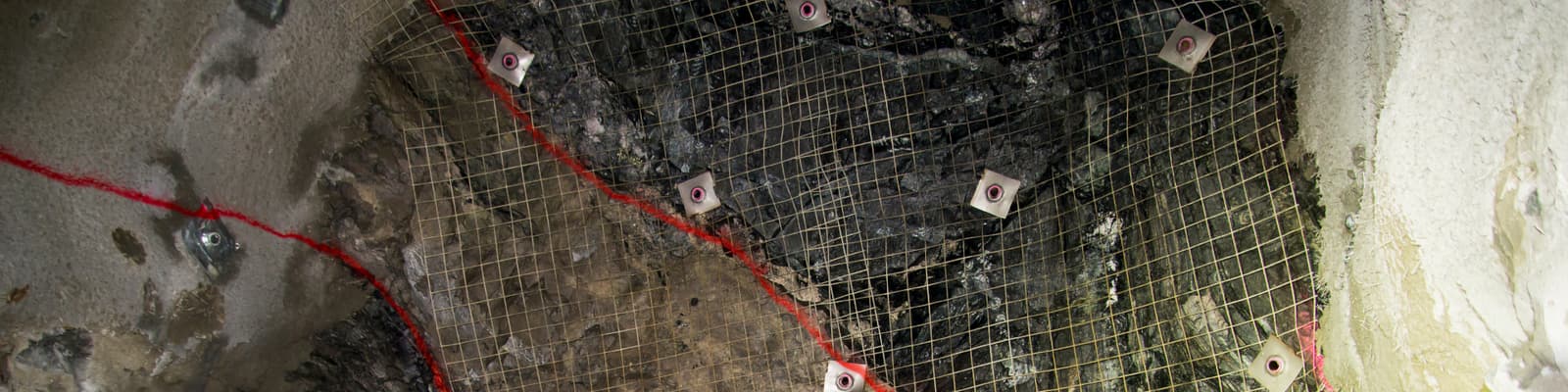
The spraying unit depends on controlled material flow as the nozzle moves across changing excavation profiles.

Progressive cavity pumps convey shotcrete through sealed cavities that move continuously from suction to discharge. This positive-displacement principle provides uniform flow without pulsing, while pump speed can be adjusted to the required delivery rate.

Low-shear handling limits unnecessary mechanical stress on viscous and fiber-reinforced shotcrete and helps reduce segregation risk during transfer. Stable pumping cannot correct an unsuitable mix, but it avoids introducing unnecessary disturbance before the material reaches the nozzle.

Pressure Changes Can Provide Early Warning

System pressure responds to the shotcrete, transfer distance, elevation, pipeline condition, and operating rate. It should be observed as an indicator of process behavior rather than treated as a fixed value.

When output and system configuration remain unchanged, a gradual increase may indicate reduced workability, material buildup, or a developing restriction. A sudden change can point to an altered condition elsewhere in the system.

Recognizing these changes early allows the process to be checked, adjusted, or stopped before flow is lost. A trend is more useful than an isolated reading because it reveals movement away from normal conditions.

Blockages Develop Across the System

A blockage rarely has one universal cause. Shotcrete may stiffen after standing, fibers may collect at a restriction, or material may build up around a transition. Changing mix properties, component wear, and interrupted feeding can contribute to the same outcome.

Increasing pump pressure does not necessarily remove the cause. It may instead place greater load on the pump, pipeline, connections, and stationary material. Before a blockage is inspected or cleared, the system must be stopped, isolated, and fully depressurized according to the mine’s approved procedures.

Prevention depends on keeping shotcrete within its workable range and moving at a controlled rate. Clear limits are also needed for how long it can remain stationary before emptying and cleaning become necessary. If blockages recur, reviewing the complete process is more effective than repeatedly clearing the same location.

Planned Pauses Protect Operating Continuity

Shift changes, blasting schedules, material delays, equipment movements, and access restrictions can interrupt shotcreting even when the pumping equipment functions correctly.

The appropriate response depends on the expected duration and material condition. A brief pause may be manageable if movement resumes before the mix changes significantly. A longer delay may require the pump and pipeline to be emptied and cleaned.

Waiting until shotcrete has stiffened turns a manageable pause into a blockage risk. A repeatable shutdown procedure reduces uncertainty by defining when cleaning is required, how the system is emptied, and what is checked before restarting.

Reliable Restarting Begins With Cleaning

Cleaning supports operating continuity because the condition in which the system is left determines how reliably it restarts. Residual shotcrete can stiffen, reduce the available flow path, increase startup pressure, and obstruct fresh material.

The pump and transfer line should be emptied and cleaned when a pause is expected to exceed the site-defined standing time for the specific mix and conditions. The procedure must account for isolation, depressurization, flushing, displaced material, drainage, and residue handling underground. Cleaning also creates an opportunity to inspect the transfer system before operation resumes.

Maintenance-Friendly Design Limits Disruption

Abrasive shotcrete makes routine inspection and planned component replacement part of reliable operation.

When service points are difficult to reach or maintenance requires extensive dismantling, a planned intervention can become a lengthy interruption. This is especially important underground, where space, access, and lifting options may be limited.

SEEPEX BNM pumps address this requirement through a Maintain in Place design. Rotor Joint Access provides access for maintenance of the rotor, stator, and mechanical seal. Drive Joint Access allows the drive and coupling rod unit to be removed from the rear of the suction casing. These features support servicing without removing connected pipework or dismantling the complete pump.

The pump cannot prevent the need for maintenance, but its design can determine how disruptive that maintenance becomes.

Keep Shotcrete Moving Predictably

Shotcreting without interruptions depends on stable operating conditions rather than a single component. The material must arrive within its workable range, enter the pump consistently, move through the transfer system, and reach the nozzle at a controlled rate.

Progressive cavity pump technology supports this process through high suction capability, low-shear handling, uniform flow without pulsing, and controlled transfer across the specified operating range. Monitoring, cleaning, and maintenance-friendly design help preserve performance throughout the operating cycle.

When changing conditions are recognized early and unavoidable pauses are managed before shotcrete stiffens, underground spraying becomes more predictable and less vulnerable to preventable stoppages.

Read More About Shotcrete Pumping Solutions