Products
Pumps
Pump Systems
Digital Solutions
Shredding Systems
Applications
Environmental Technology
Biogas Handling
Mining and Mineral Processing
Food and Beverage Industry
Oil, Gas and Petrochemicals
Pulp & Paper Industry
Additional Industries
Media
News
Fairs and Events
Downloads
Videos
Knowledge on Demand
SEEPEX Technologies
Security Publications
Services
SEEPEX Care Service Programs
Original Parts
Commissioning
24-Hour Helpline
Services
Company
About SEEPEX
Career
Locations
Build America, Buy America

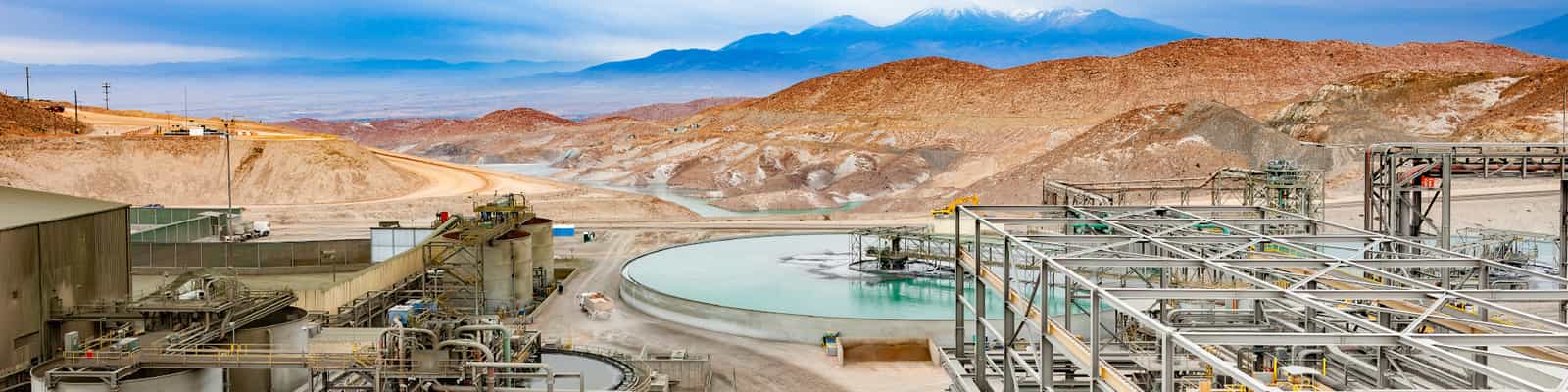
Flocculants do not only need to be dosed accurately. They need to arrive in the process in a condition that still allows them to work. In mining, that distinction matters because many flocculants are polymer-based reagents whose performance depends on long molecular chains.

Those chains help fine particles connect, form larger flocs, and settle more predictably in thickeners and clarifiers. If the polymer is exposed to too much mechanical stress before it reaches the slurry, the plant may still be feeding the correct amount of chemical, but not the same effective chemistry.


This is where pump shear becomes important. A dosing system can look correct from the outside: the flow rate is stable, the pump is running, and the reagent is moving through the line. Yet separation performance may still drift if the polymer is being damaged along the way.

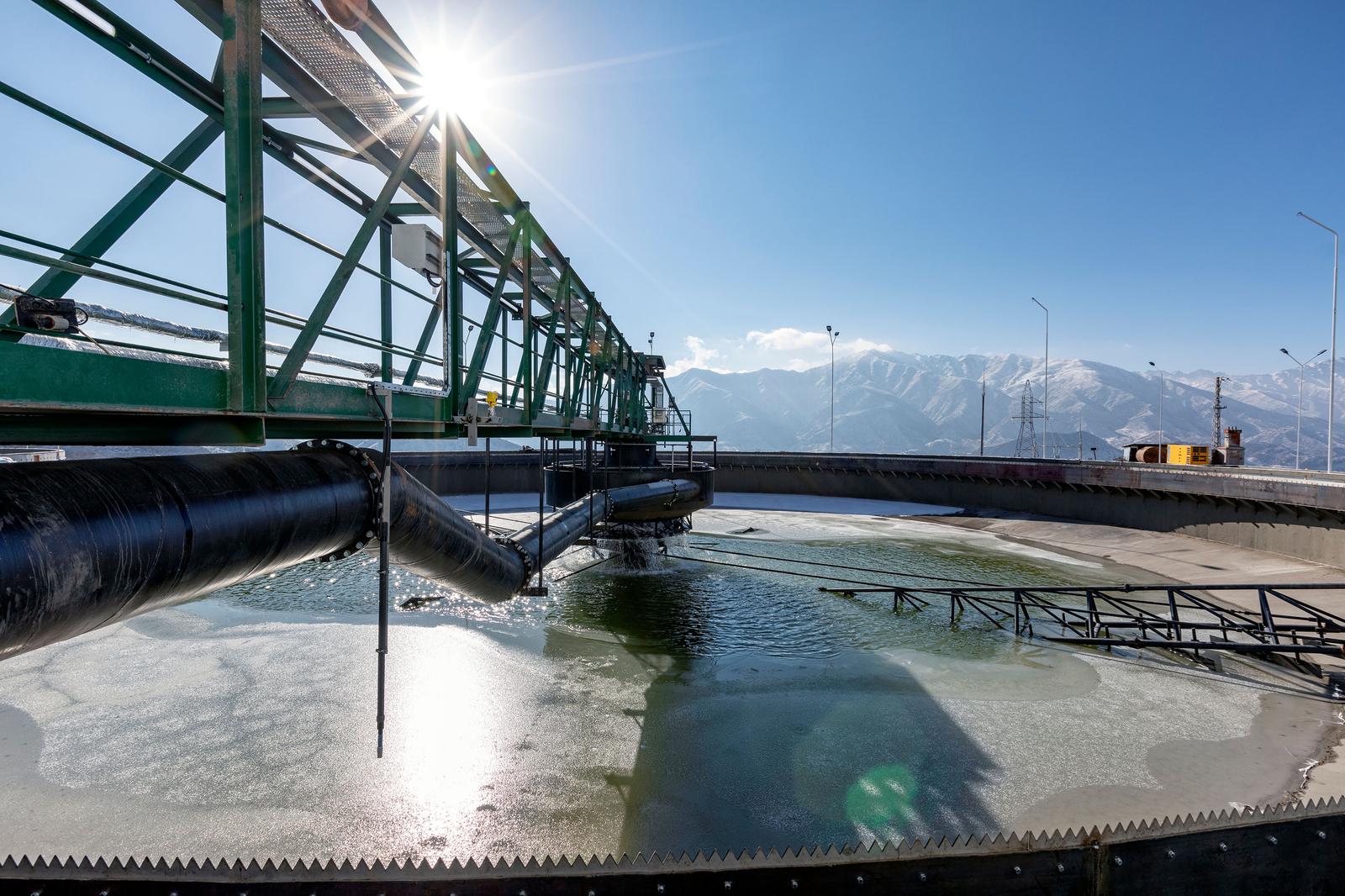
The problem is not always visible in the dosing number. It appears later in the thickener response: weaker flocs, slower settling, cloudy overflow, unstable bed behavior, or higher reagent demand. In those cases, the issue is not simply how much flocculant is being dosed. It is what condition the flocculant is in when it arrives.

Why Flocculants Are Sensitive to Shear

Flocculants work by helping fine particles form larger structures. In many mining applications, this depends on polymer chains extending through the liquid and attaching to more than one particle. This bridging effect is what allows small suspended solids to come together into flocs that can settle faster than individual particles.

That function depends on structure. If mechanical stress shortens, distorts, or weakens the polymer chains, the flocculant may lose some of its ability to bridge particles effectively. The same can happen after flocs begin to form. Once larger aggregates are created, excessive turbulence or shear can break them apart again. From the operator’s point of view, both cases can look similar: the process needs more chemical to achieve the same result, or the same dose no longer produces the same separation stability.

This is why pump shear should not be treated as a minor mechanical detail. It can directly affect the useful performance of the reagent.

The Difference Between Feeding Polymer and Preserving Polymer

A dosing pump is often judged by how accurately it meters flow. That is important, but with flocculants it is not enough. The system must also preserve the polymer’s function. A pump that delivers the right volume but applies too much shear may still reduce the value of the dose before it reaches the process.

This distinction is easy to miss because chemical consumption is visible, while polymer integrity is not. If the thickener begins to drift, the first response is often to increase the dose. Sometimes that helps temporarily, but it may also hide the deeper issue. The plant ends up using more reagent to compensate for damaged chemistry or poor mechanical handling.

A better question is whether the polymer has been moved gently enough to keep its separation function intact. That is where pump selection becomes part of process performance, not just chemical transfer.

Where Shear Enters the Dosing System

Shear can be introduced at several points in the polymer path. It may appear during preparation, transfer, pumping, valve restriction, pipework, static mixing, or injection into a turbulent area. Some mixing is necessary because polymer needs to disperse into the process stream. The problem begins when that energy becomes too intense or occurs at the wrong point.

In practical terms, the system needs to do two things that can work against each other. It needs enough movement to distribute the polymer, but gentle enough handling to preserve the polymer chains and forming flocs. A system with poor dispersion can underperform because the polymer never contacts the solids properly. A system with excessive shear can underperform because the polymer loses effectiveness before it can do its job.

This is why the mechanical design around polymer dosing deserves the same attention as the chemical selection itself.

How Pump Shear Shows Up in Thickener Performance

Pump shear does not announce itself as a single fault. It usually appears as unstable separation behavior. Overflow may become less clear even though the dosing rate has not changed. Settling may slow or become inconsistent. Operators may see fine particles carrying over, a less predictable bed level, or underflow behavior that becomes more difficult to control.

The plant may then increase the flocculant dose to recover performance. If the root cause is shear, this can create a costly cycle. More chemical is added, but part of that chemical is still being mechanically weakened. The plant pays for the reagent, moves it through the system, and then loses part of its value before it reaches the solids.

This is one reason flocculant performance should be evaluated as a combination of chemistry, dosing accuracy, and mechanical handling. The pump is not separate from the process result. It is part of how the polymer reaches the process.

Why Low-Shear Pumping Matters

For sensitive flocculants, low-shear pumping helps protect dosing integrity. The goal is not only to meter polymer accurately, but to move it in a way that preserves the chain structure needed for particle bridging. Gentle pumping, controlled flow, and stable delivery can all help reduce the risk that the dosing system becomes the reason the flocculant underperforms.

This is especially important in mining because thickening and clarification circuits already deal with changing feed conditions. Ore variability, solids loading, water chemistry, and upstream process changes can all affect flocculant demand. If the dosing system also adds polymer damage into that variability, the thickener becomes harder to stabilize.

A low-shear approach helps reduce one hidden source of instability. It does not replace good polymer selection, correct preparation, or proper injection design. But it supports all of them by helping the flocculant arrive in a usable condition.

Why Slow Rotational Speed Can Be an Advantage

Rotational speed matters because high-speed mechanical action can increase stress on sensitive fluids. With polymer-based flocculants, lower-speed pumping can be beneficial because it reduces the intensity of mechanical handling. The polymer is still being moved and metered, but with less aggressive energy input.

This is one of the reasons progressive cavity dosing principles are relevant in flocculant applications. Their steady, low-pulsation flow and gentle conveying action can support accurate dosing while reducing unnecessary stress on the polymer. In the context of thickening and clarification, that can help preserve the separation value of the reagent.

The point is not that every dosing problem is caused by shear. Many are caused by preparation, dilution, injection point, feed variability, or process control. But when polymer integrity matters, the pump should not be the weak link between the make-down system and the thickener.

From Chemical Dose to Separation Stability

The real purpose of flocculant dosing is not to hit a chemical feed number. It is to create stable separation. That means the polymer has to be selected correctly, prepared properly, measured accurately, and delivered gently enough to remain effective. If pump shear damages the reagent before it reaches the process, the plant loses part of the benefit it is trying to buy.

Feeding more chemical is not the same as improving separation. A better dosing system protects the chemistry, delivers it consistently, and supports the thickener or clarifier in achieving the result the plant needs: Stabilize separation, not just feed chemicals.

What This Means for Pump Choice

When flocculant performance matters, pump choice should be evaluated beyond capacity and pressure. Accuracy is important, but so is how the pump treats the polymer. A suitable dosing pump should provide stable flow, reliable control, and gentle handling that helps preserve polymer function.

This is where SEEPEX’s value becomes relevant without changing the basic process logic. SEEPEX progressive cavity pump technology is well suited to moving shear-sensitive media because it supports low-shear handling and controlled dosing. In mining flocculant applications, that matters because the goal is not simply to transfer reagent. The goal is to protect dosing integrity so the polymer can support settling, clarification, and process stability.

The more sensitive the separation process becomes, the more important this distinction is. Pump shear can turn a correct dose into an ineffective one. A better dosing approach helps ensure the plant is not just feeding chemicals, but preserving the chemistry needed to make solids settle.

Read More About Flocculant Dosing