Products
Pumps
Pump Systems
Digital Solutions
Shredding Systems
Applications
Environmental Technology
Biogas Handling
Mining and Mineral Processing
Food and Beverage Industry
Oil, Gas and Petrochemicals
Pulp & Paper Industry
Additional Industries
Media
News
Fairs and Events
Downloads
Videos
Knowledge on Demand
SEEPEX Technologies
Security Publications
Services
SEEPEX Care Service Programs
Original Parts
Commissioning
24-Hour Helpline
Services
Company
About SEEPEX
Career
Locations
Build America, Buy America

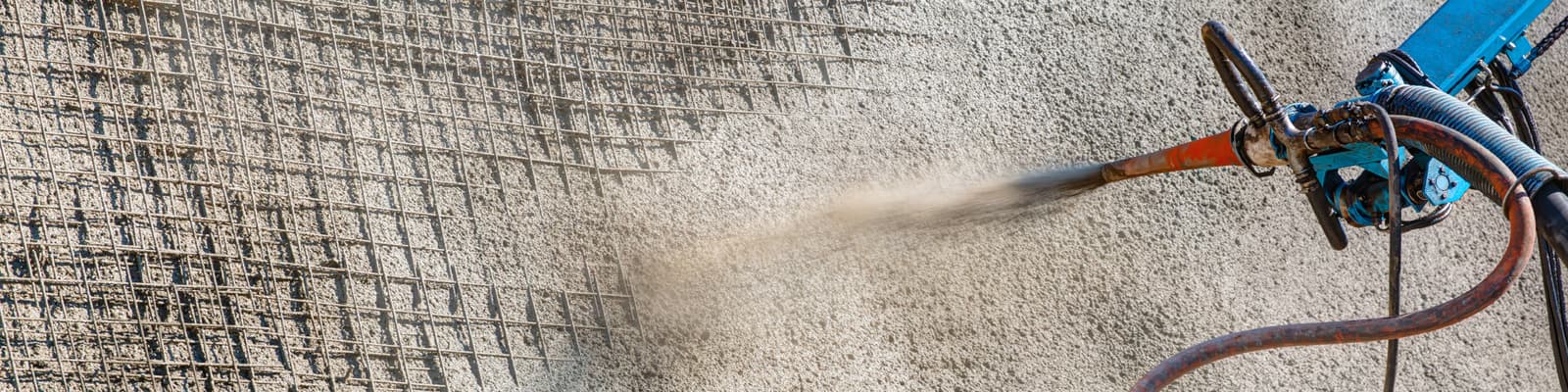
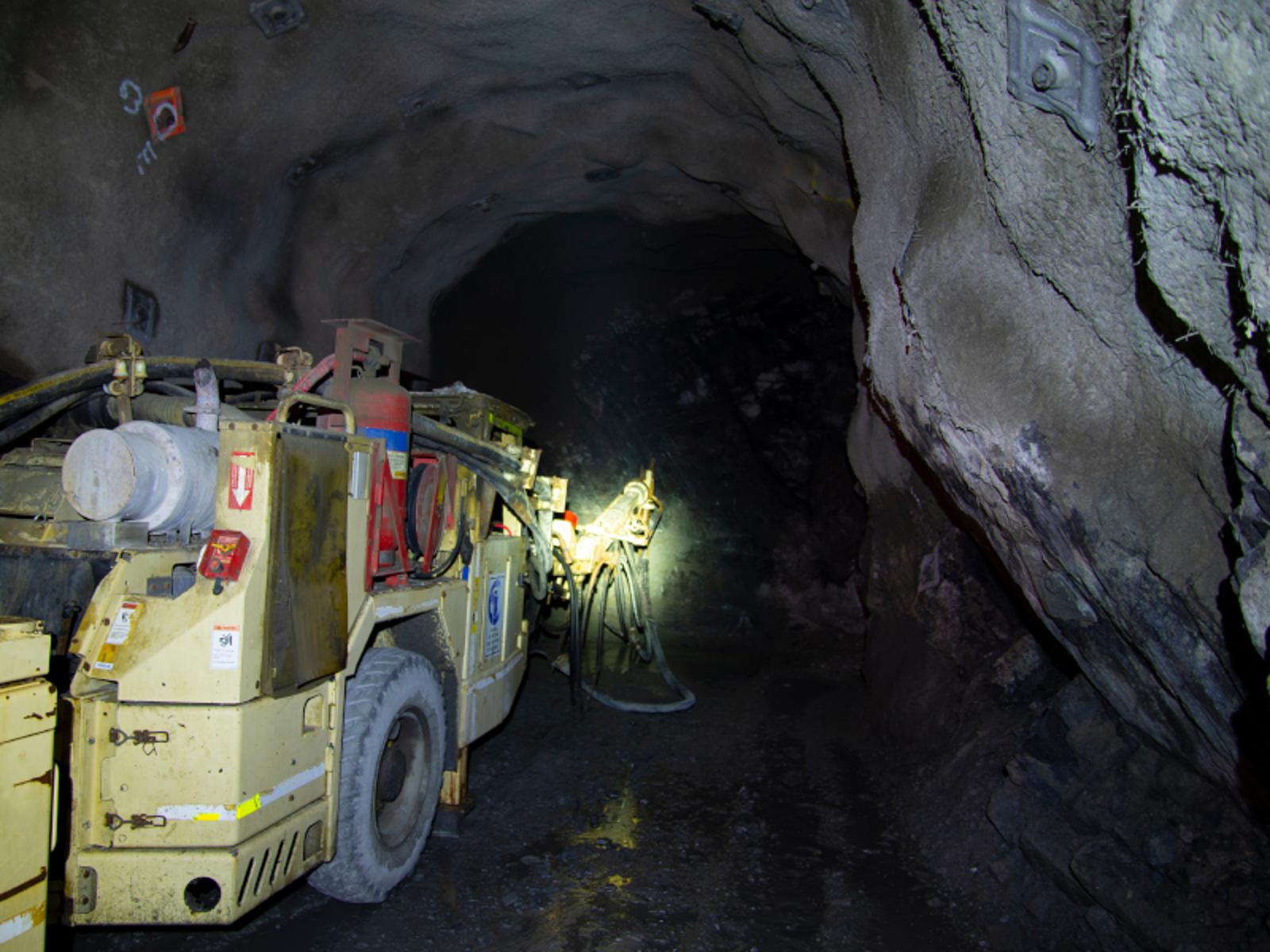
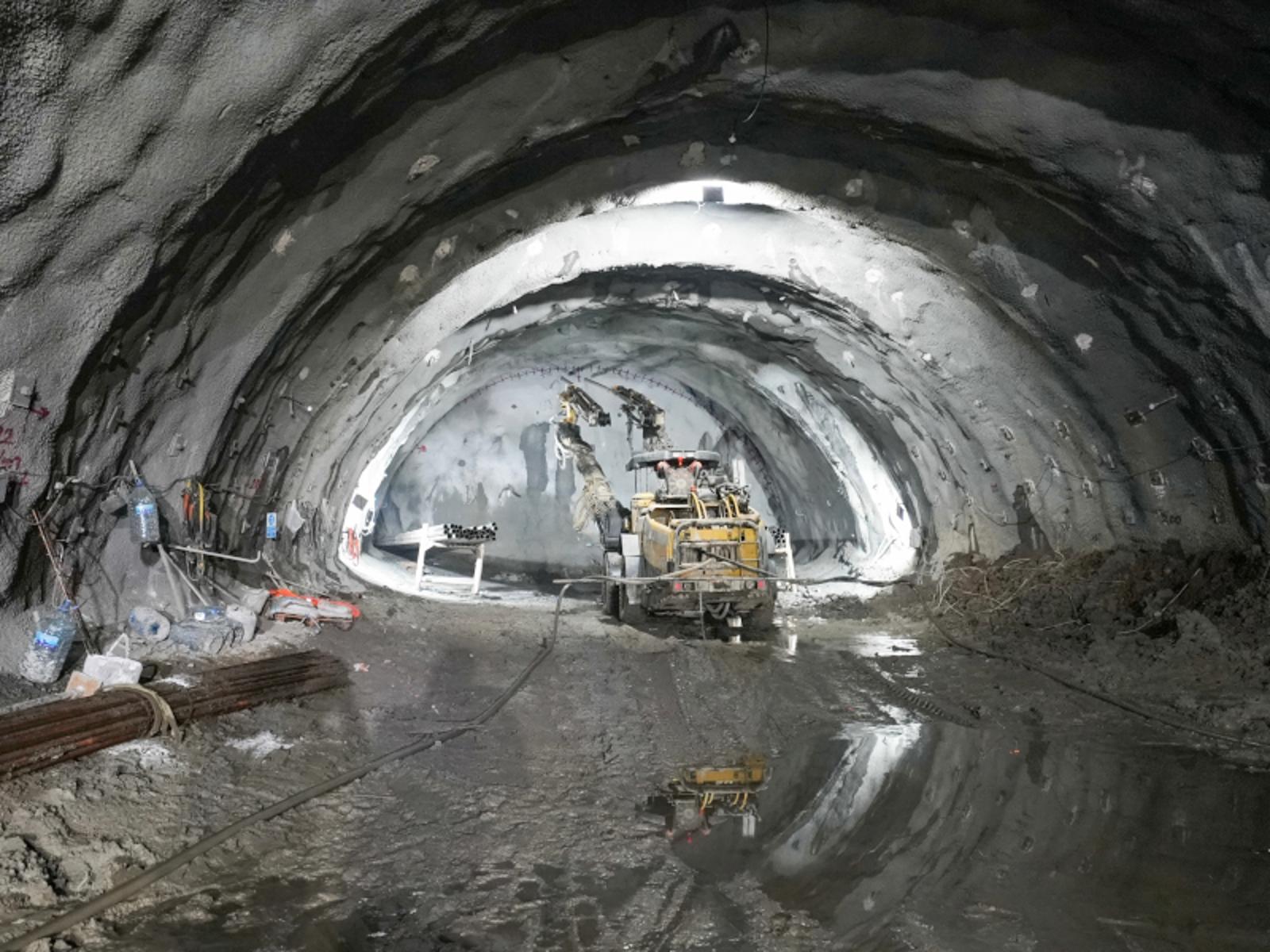
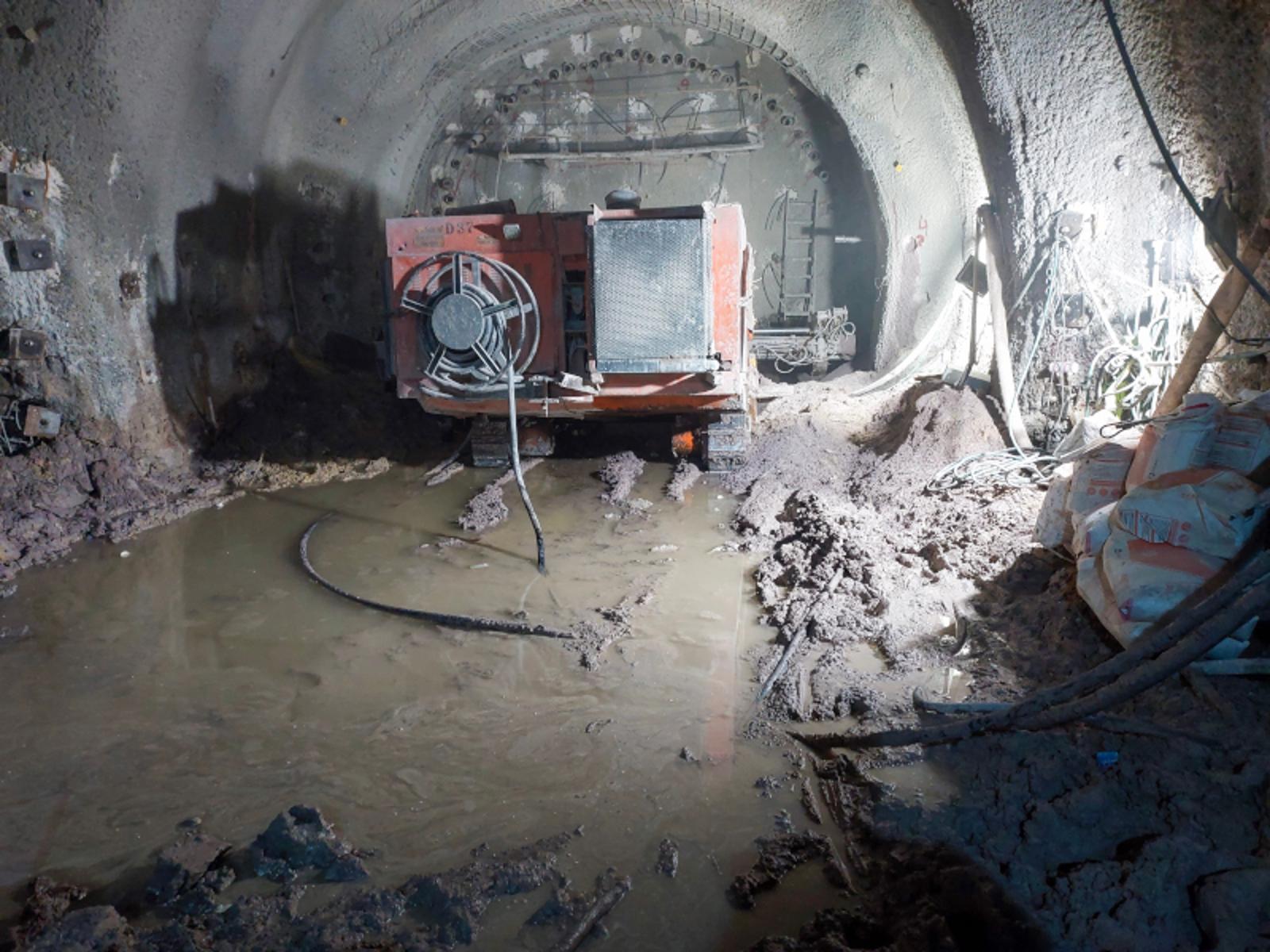
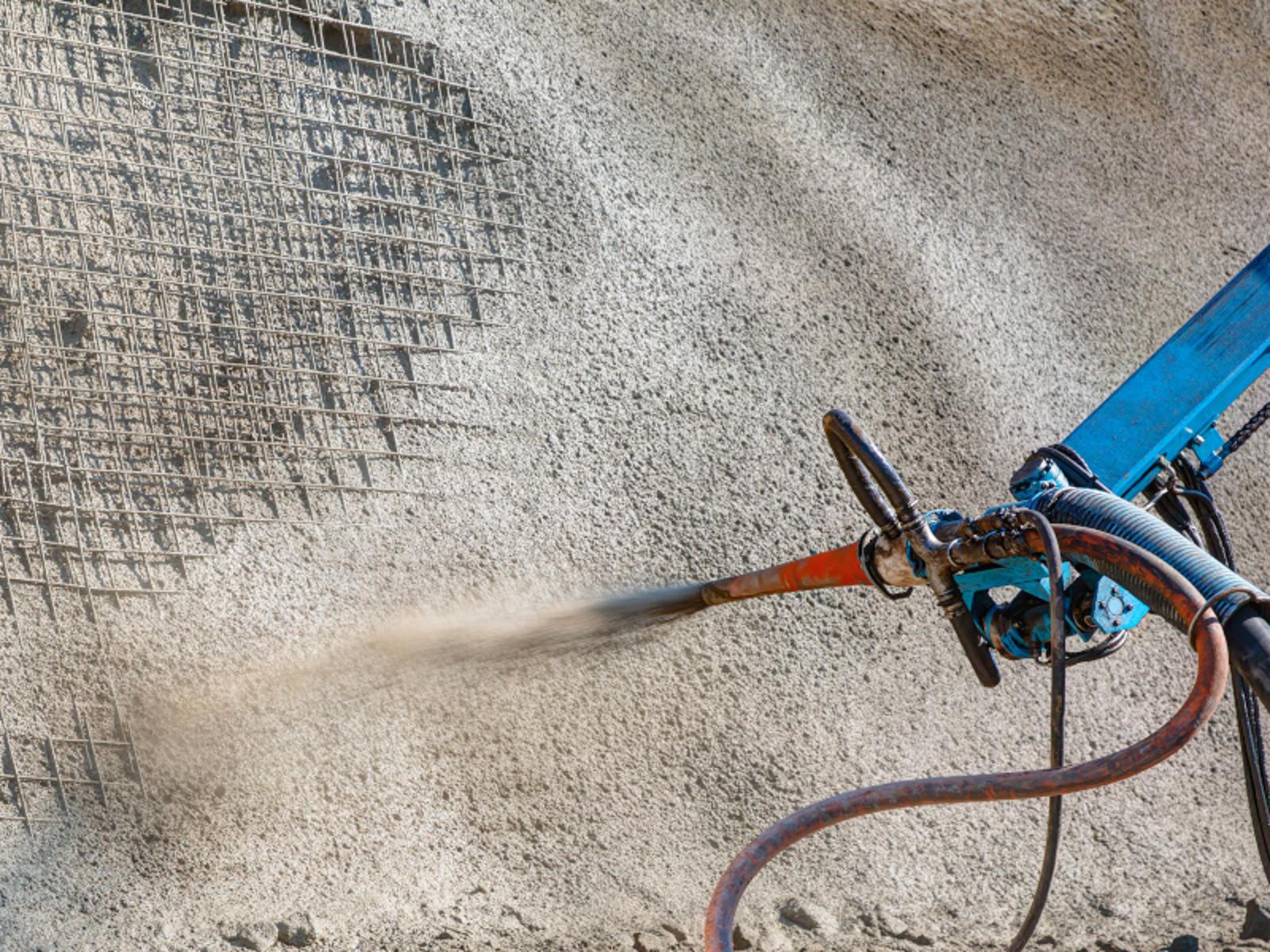
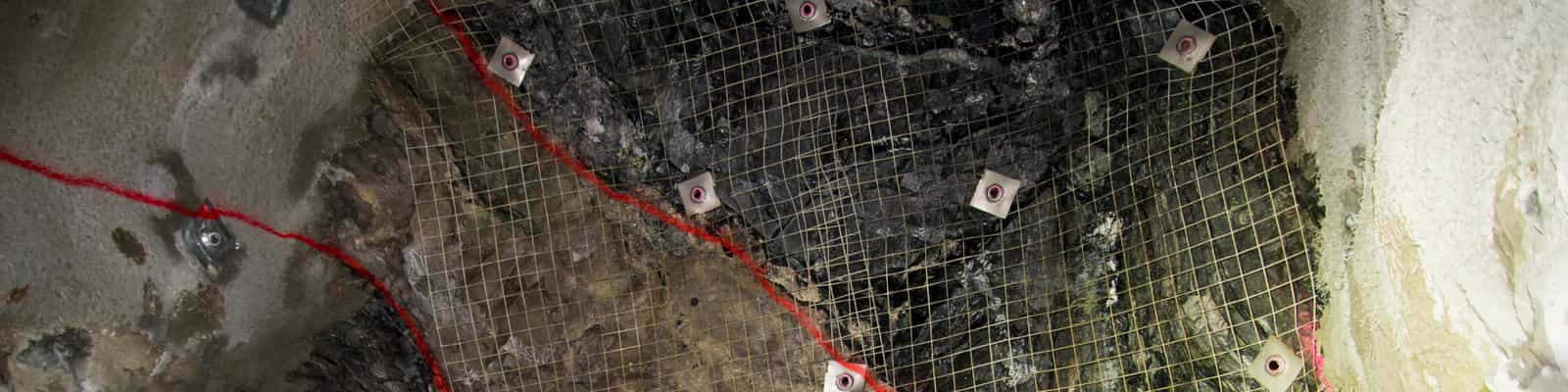
Underground development depends on ground support being installed in accordance with the mine’s ground-control plan. When shotcrete delivery becomes unreliable, application stops, support remains incomplete, and the affected area may stay unavailable longer than expected.


Reliable delivery supports a more controlled process, but it does not make underground shotcreting safe by itself. Safety depends on suitable equipment, competent personnel, exclusion zones, energy isolation, approved procedures, and the site-specific controls established for the task.


Stable delivery creates a predictable operating condition, making deviations easier to recognize. During blockage response, cleaning, or maintenance, the system must still be treated as pressurized equipment until isolation and verification are complete.

Predictable Operation Establishes a Clear Baseline

A stable operating baseline includes expected flow, pressure, pump speed, material condition, and pipeline configuration. Changes can then be assessed against known conditions rather than treated as routine variation.

A deviation does not identify its own cause. Reduced output may result from interrupted feeding, changing shotcrete consistency, increasing system resistance, or equipment wear. Similarly, pressure may change because of output, transfer distance, elevation, pipeline condition, or material behavior.

Progressive cavity pumps provide uniform flow without pulsing. This makes delivery changes easier to observe, while controlled pump speed allows output to be matched to the application. The operating principle supports monitoring, but it does not replace investigation when conditions move away from the approved range.

No Flow Does Not Mean No Pressure

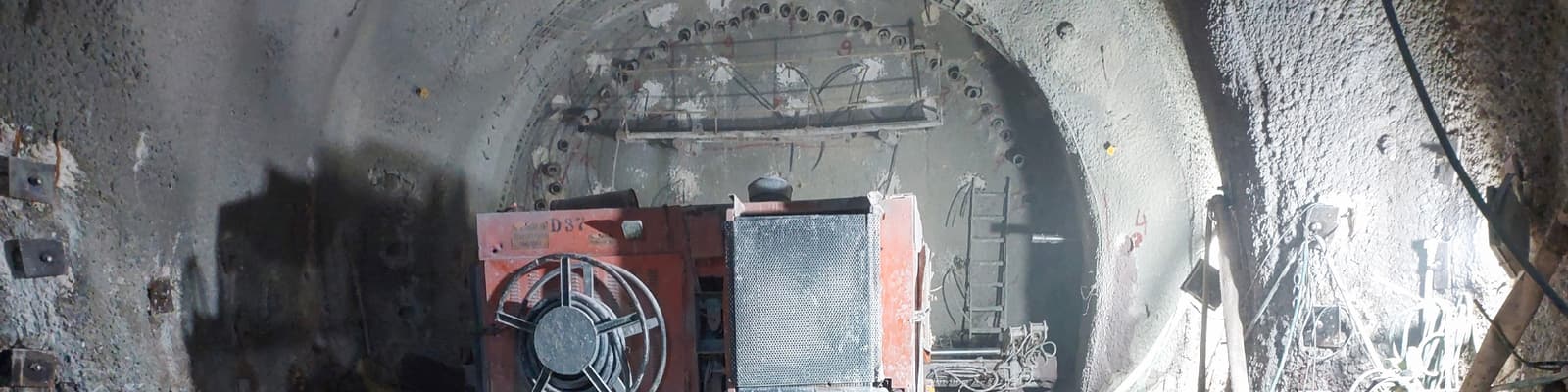
A stopped material flow is not proof that the delivery system is depressurized. Shotcrete may remain trapped behind a blockage, cleaning device, isolated section, or area of stiffened material.

Pressure indication helps operators understand system behavior, but an instrument reading alone does not replace physical isolation and verification. The system must be stopped and isolated according to the mine’s approved procedure before connections are opened or work begins.

Increasing pump pressure against an unidentified restriction can add load to the pump, pipeline, couplings, hoses, and stationary material. It may also increase the energy retained within the system without removing the cause of the obstruction.

Pressure capability should therefore remain an equipment-selection and operating-limit consideration, not a method for forcing material through an uncertain condition.

Blockage Response Requires Isolation and Depressurization

A blockage changes both the material condition and the energy state of the system. Attempting to loosen a coupling, open a line, or remove a component before pressure is released can expose personnel to an uncontrolled discharge.

Before inspection or clearing, the pump and associated energy sources must be stopped and isolated. The line must be fully depressurized, and the condition must be verified in accordance with the equipment manufacturer’s instructions and the mine’s approved procedure.

The discharge end, hose path, connections, and potential line of fire require control throughout the task. Personnel who are not involved in the work should remain outside the defined exclusion area.

Once a blockage occurs, reliable pump design does not remove the stored-energy hazard or the need for approved isolation and depressurization procedures.

Blockages Develop Across the System

A blockage rarely has one universal cause. Shotcrete may stiffen after standing, fibers may collect at a restriction, or material may build up around a transition. Changing mix properties, component wear, and interrupted feeding can contribute to the same outcome.

Increasing pump pressure does not necessarily remove the cause. It may instead place greater load on the pump, pipeline, connections, and stationary material. Before a blockage is inspected or cleared, the system must be stopped, isolated, and fully depressurized according to the mine’s approved procedures.

Prevention depends on keeping shotcrete within its workable range and moving at a controlled rate. Clear limits are also needed for how long it can remain stationary before emptying and cleaning become necessary. If blockages recur, reviewing the complete process is more effective than repeatedly clearing the same location.

Cleaning Is a Pressurized-System Activity

Cleaning changes the conditions inside the pump and delivery line. Water, compressed air, cleaning devices, residual shotcrete, and debris may move through the system during the procedure.

Compressed air deserves caution because it can store energy behind an obstruction. If the obstruction releases, shotcrete, debris, or cleaning devices may be propelled through the line, and the hose may move uncontrollably. The cleaning method must therefore follow the equipment manufacturer’s instructions and a site-specific risk assessment for the installed system.

The discharge area must remain controlled, and the delivery line should never be assumed clear or depressurized because no material is moving. Isolation and verification remain necessary before a connection is opened or equipment is inspected.

Cleaning should be considered complete only when the requirements of the approved procedure have been met and the system has been left in the specified condition for inspection, maintenance, or restart.

Delivery Lines, Couplings, and Hoses Require Control

The pump is only one pressure-containing part of the shotcrete system. Pipelines, reducers, couplings, hoses, supports, and nozzle connections must suit the expected material duty and operating pressure.

Wear, damage, leakage, movement, or incorrect assembly can affect system integrity. Inspection should therefore include the transfer route rather than focusing only on the pump. Any examination requiring a connection to be touched or opened must take place after isolation and depressurization.

Routing also affects exposure. Hoses and lines should remain clear of uncontrolled traffic and be arranged according to approved site practices. Areas exposed to possible hose movement, discharge, or released material require appropriate access control.

Maintenance Access Influences the Scope of the Work

Maintenance-friendly pump design can limit the amount of dismantling required for defined service tasks. This is particularly relevant underground, where space, lighting, lifting arrangements, and access may be restricted.

The SEEPEX BNM pump uses a Maintain in Place design. Rotor Joint Access provides access to the rotor, stator, and mechanical seal through a sliding housing section. Drive Joint Access allows the drive and coupling rod unit to be removed from the rear of the suction casing. Connected pipework can remain in place during these service activities.

A more clearly defined service approach can reduce disturbance to surrounding equipment and keep the work within the planned maintenance area. It does not eliminate wear, manual handling, stored energy, lifting risks, or the need for approved work instructions.

The pump and all associated energy sources must remain isolated throughout maintenance. Suitable lifting equipment, adequate working space, and verification of zero energy remain necessary regardless of how quickly the relevant components can be accessed.

Reliable Transfer Reduces Uncertainty Underground

Reliable shotcrete delivery creates a more predictable operating condition. It gives crews a clearer baseline for recognizing changes and supports planned intervention when the process moves outside approved limits.

Safe response depends on what happens next. Pressure must be treated as stored energy, blockages must be isolated and depressurized, cleaning must follow a site-specific method, and maintenance must remain subject to full energy-control procedures.

Pump performance and maintenance-friendly design support these controls, but they do not replace them. Ground-control requirements, equipment inspections, exclusion zones, communication, competent operation, and approved work instructions remain decisive.

When dependable pump performance is combined with disciplined operation and site safety systems, shotcrete transfer becomes a controlled and reliable part of underground ground support.

Read More About Shotcrete Pumping Solutions