Products
Pumps
Pump Systems
Digital Solutions
Shredding Systems
Applications
Environmental Technology
Biogas Handling
Mining and Mineral Processing
Food and Beverage Industry
Oil, Gas and Petrochemicals
Pulp & Paper Industry
Additional Industries
Media
News
Fairs and Events
Downloads
Videos
Knowledge on Demand
SEEPEX Technologies
Security Publications
Services
SEEPEX Care Service Programs
Original Parts
Commissioning
24-Hour Helpline
Services
Company
About SEEPEX
Career
Locations
Build America, Buy America

A shotcrete pump cannot perform independently of the system around it. Even correctly selected equipment may deliver inconsistent results when feeding conditions, pipeline routing, pressure demand, or cleaning procedures are not considered as part of the same process.


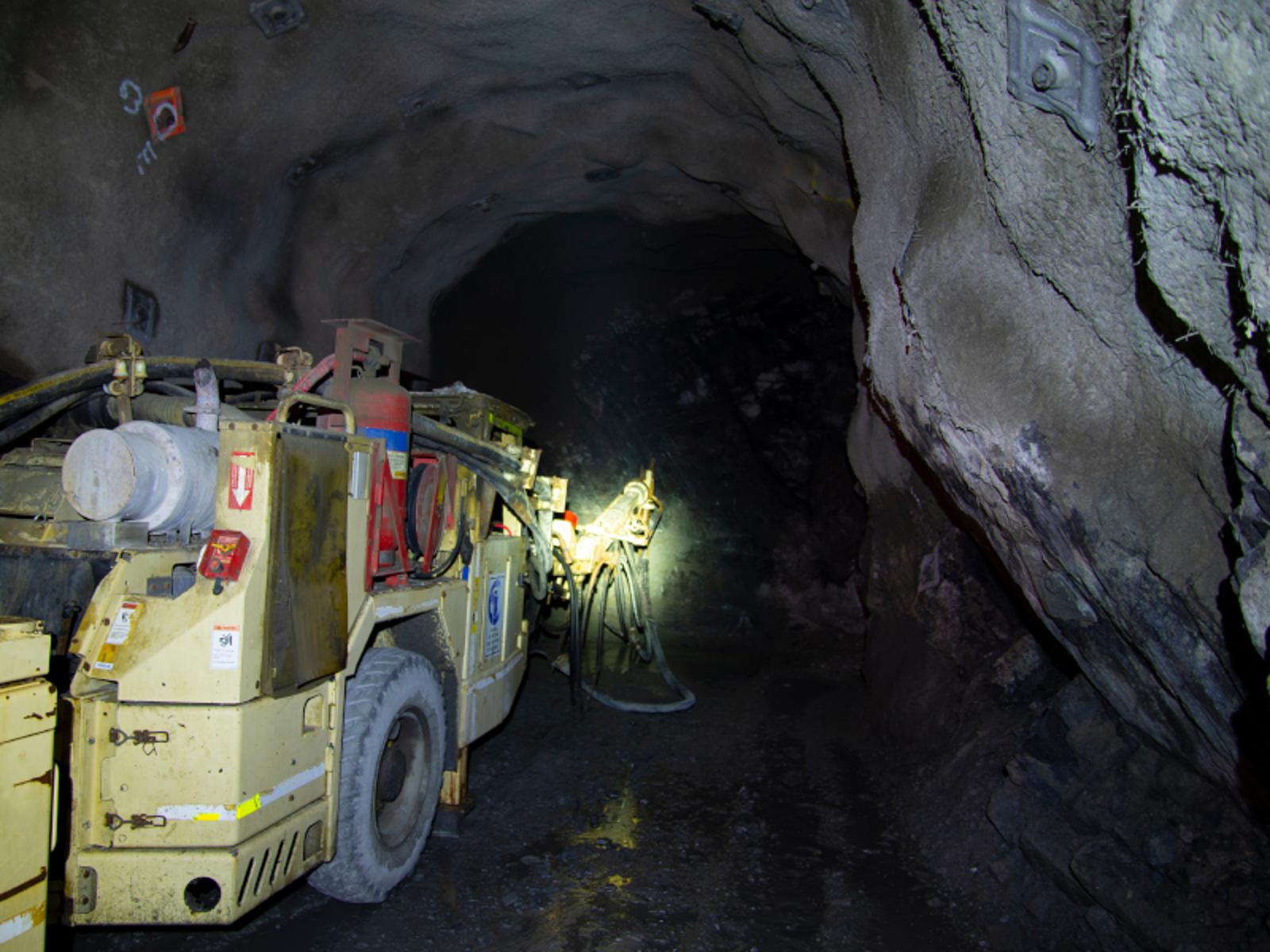
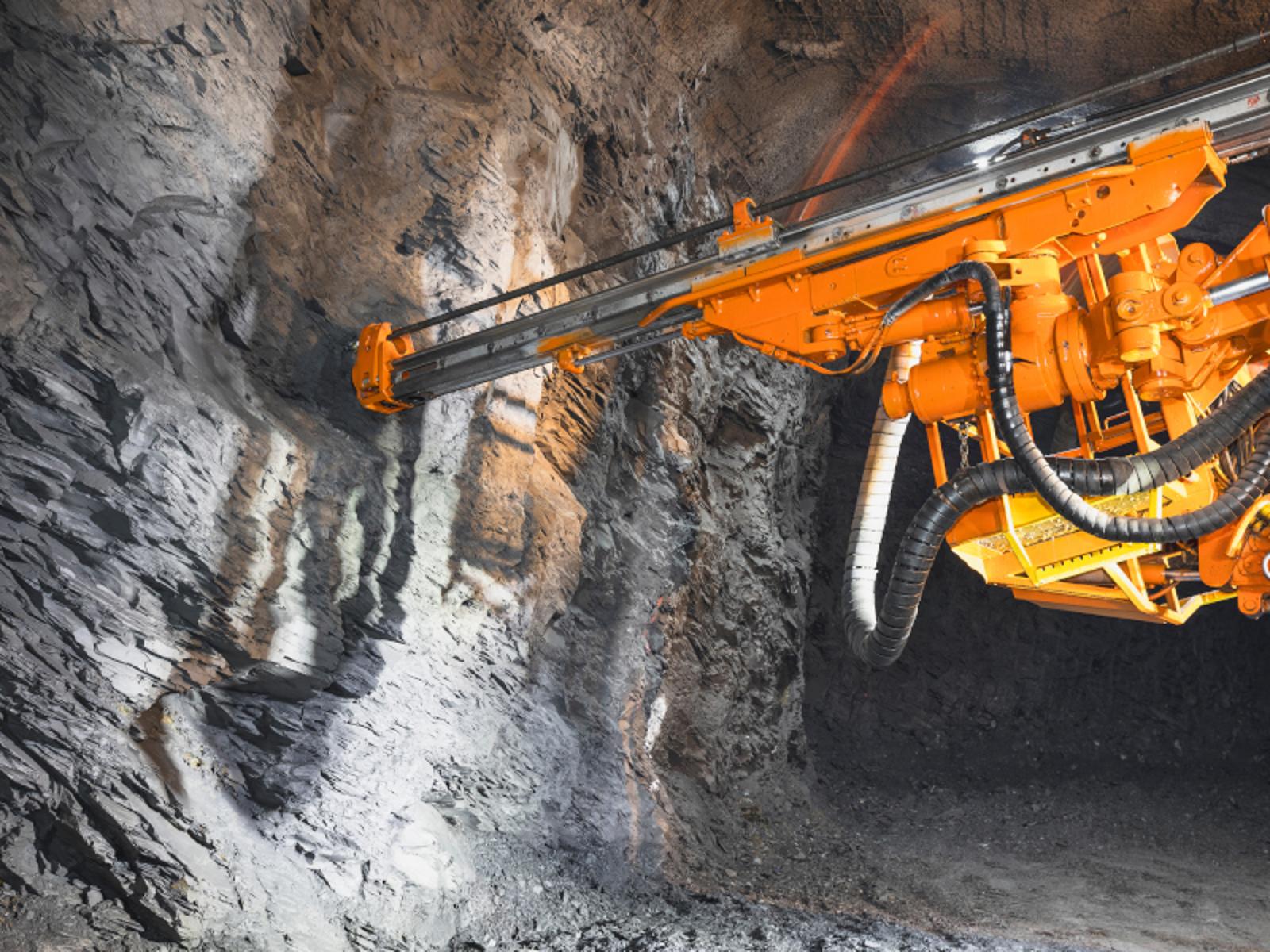
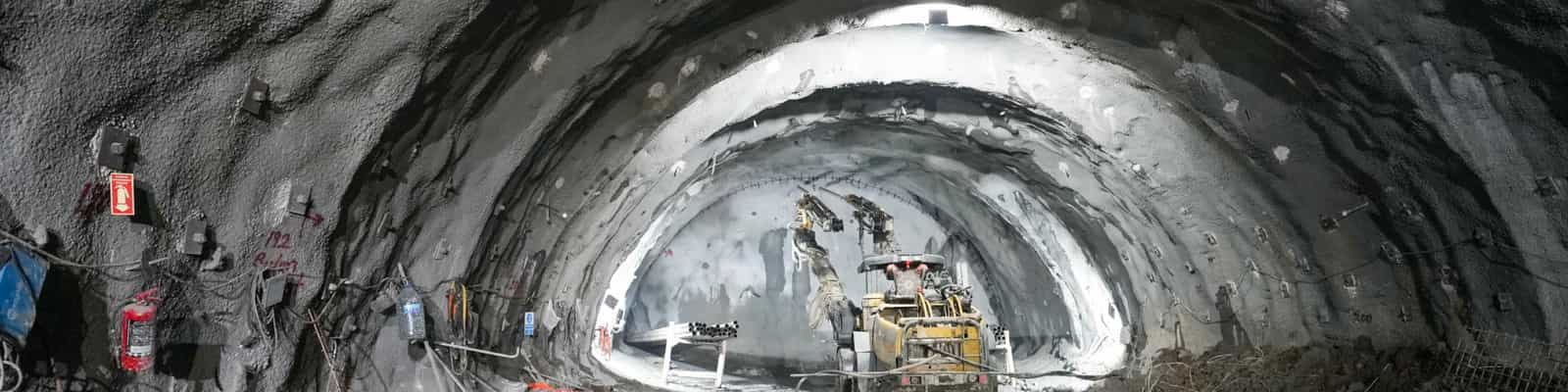
Underground installations make these interactions particularly important. Space is restricted, pipelines must follow existing excavations, and the distance between the pump and spraying area can change as the mine advances. The shotcrete must remain pumpable throughout this route while retaining the consistency required at the nozzle.


Effective shotcrete pumping system design connects the material supply with the spraying process. It provides a stable path from the receiving hopper to the point of application while allowing the system to be operated, monitored, cleaned, and maintained under actual mine conditions.

Treat Shotcrete Pumping as One Process

Wet-mix shotcreting begins before material enters the pump. Batching accuracy, mixing, transportation time, temperature, and the condition of the shotcrete on arrival all affect its behavior in the system.

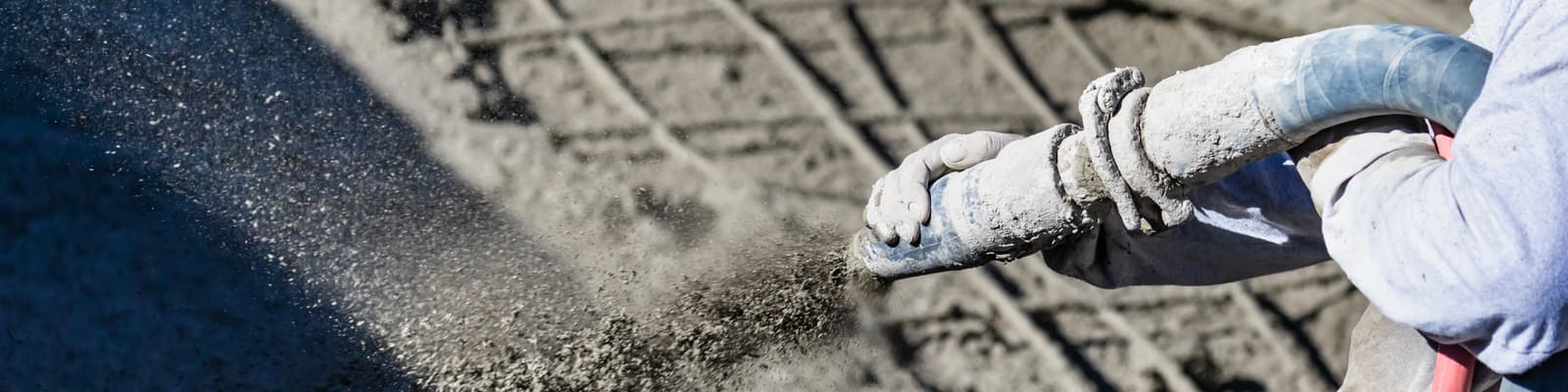
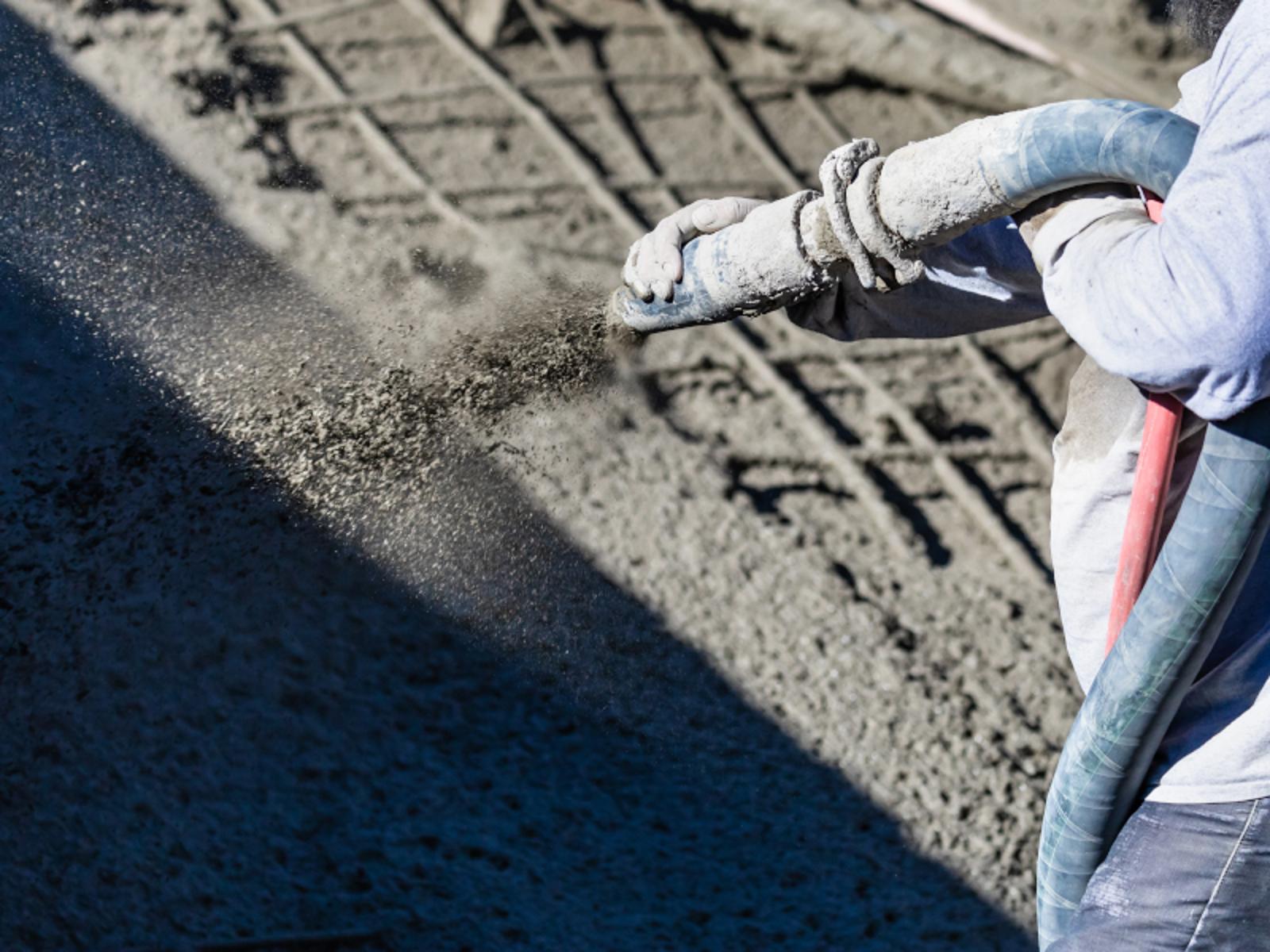
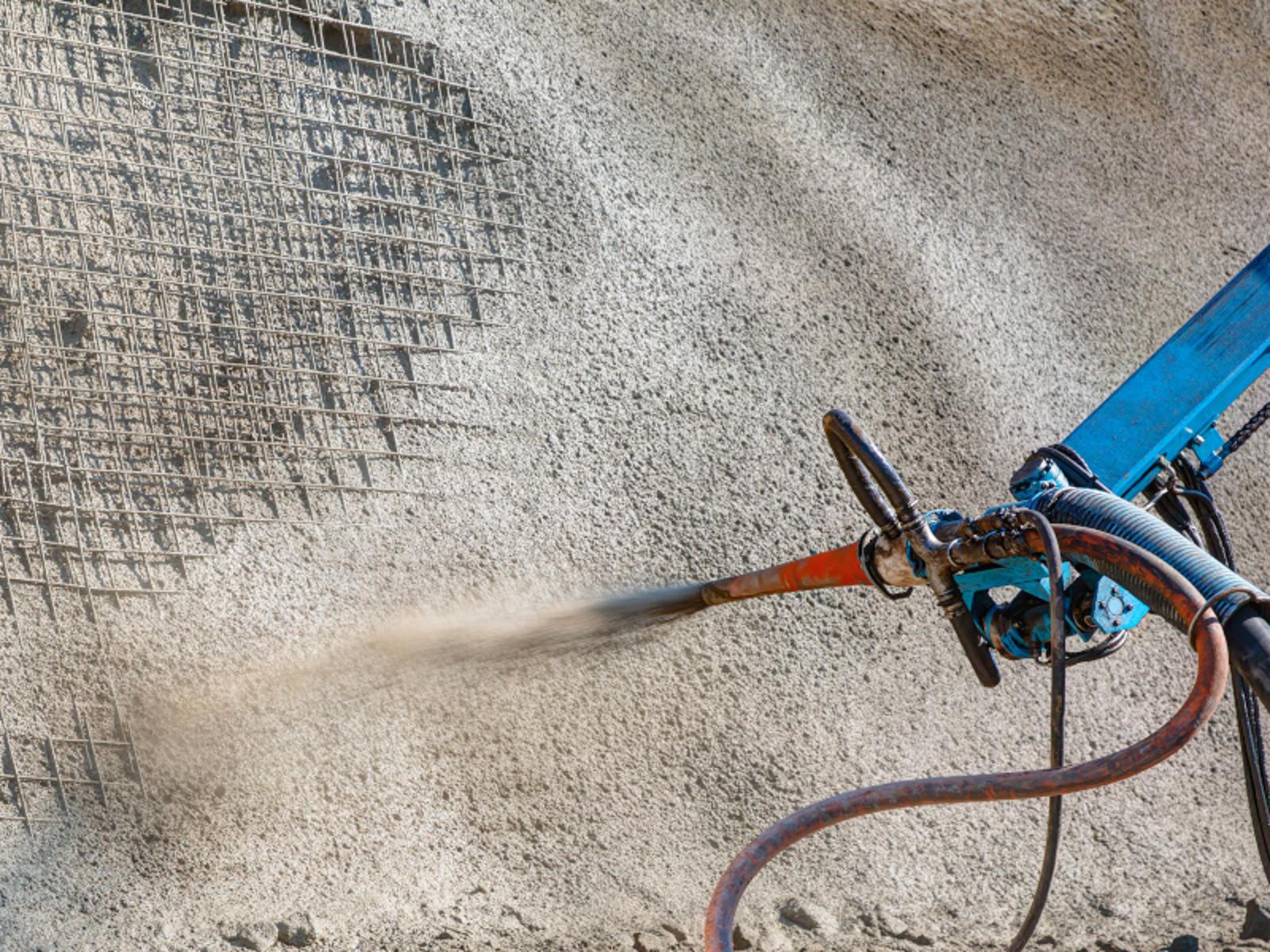
Material passes from the delivery equipment into the receiving hopper, through the pump, and into the pipeline. At the nozzle, compressed air accelerates the shotcrete onto the rock surface. Depending on the application, an accelerator may also be introduced at this stage.

A disruption at any point affects everything downstream. Interrupted feeding reduces output. Excessive pipeline resistance raises pressure. Irregular flow reaches the nozzle as an inconsistent material supply. The pump, pipeline, and spraying equipment must therefore function as one connected installation.
Stable Feeding Starts at the Hopper

The pump can only deliver the material it receives. If shotcrete enters the suction side inconsistently, output may fluctuate even when the pump is operating normally.

Hopper geometry influences how dense wet-mix shotcrete moves toward the pump inlet. The arrangement should limit stagnant areas and maintain sufficient material above the suction opening. Agitation can help keep the mix moving, but it should not introduce unnecessary air or disrupt the distribution of aggregates and fibers.

Hopper capacity must also suit the delivery pattern. An undersized hopper may empty between loads, while excessive retention can leave shotcrete stationary for too long. The connection to the pump should provide a direct, unrestricted path. High suction capability supports viscous material handling, but it cannot fully compensate for unsuitable inlet conditions.

Pipeline Layout Shapes System Performance

The delivery line creates resistance as shotcrete moves toward the nozzle. Its diameter, length, elevation profile, fittings, and hose sections determine how much pressure is required to maintain the target delivery rate.

A direct route is generally preferable, but the shortest route is not always practical underground. Pipelines may need to follow ribs, pass through intersections, avoid mobile equipment, and remain clear of working areas.

Effective routing balances hydraulic performance with operating requirements. Bends should be gradual where possible, and unnecessary changes in diameter should be avoided. Connections must withstand the anticipated pressure while remaining accessible for inspection and cleaning.

Pressure Develops Across the Complete System

Pump discharge pressure results from resistance throughout the installation. Horizontal distance, vertical lift, pipeline diameter, bends, hose sections, and shotcrete rheology all contribute.

The material is not constant. Changes in temperature, water content, aggregate grading, admixture dosage, or time since mixing can alter the pressure needed to maintain the same output. A system operating comfortably with one batch may experience higher resistance when the next arrives with reduced workability.

The installation needs sufficient pressure capability for the expected operating range, but normal operation should not depend continuously on maximum pump pressure. A sustained increase may indicate changing material conditions, developing restrictions, or wear. Pressure monitoring helps make these changes visible before flow stops completely.

Uniform Flow Supports Shotcrete Application

The nozzle requires a stable material supply. If delivery pulses or fluctuates, the spraying unit must respond to changing flow while compressed air continues to accelerate the mix.

Progressive cavity pumps convey material through sealed cavities that move continuously from suction to discharge. This positive-displacement principle provides uniform flow without pulsing and supports controlled adjustment of the delivery rate.

Low-shear conveying is also relevant. Wet-mix shotcrete must pass through the system without unnecessary mechanical stress or increased segregation risk, especially when steel or synthetic fibers are present. Stable pumping does not correct unsuitable feeding or material condition, but it provides a consistent transfer principle around which the system can be designed.

Underground Conditions Influence the Arrangement

The system must coexist with vehicle movements, ventilation equipment, utilities, personnel access, and changing work areas. The pump should be positioned where material can be delivered consistently without creating avoidable congestion.

As mine development advances, the transfer distance may increase. Additional pipeline sections, bends, or elevation changes raise system resistance. Allowing for likely extensions during the initial design helps prevent future pressure and access problems.

Cleaning Must Be Part of the Design

Wet-mix shotcrete cannot remain in the pump and pipeline indefinitely. Stationary material can stiffen, restrict the flow path, and make the next startup difficult or impossible.

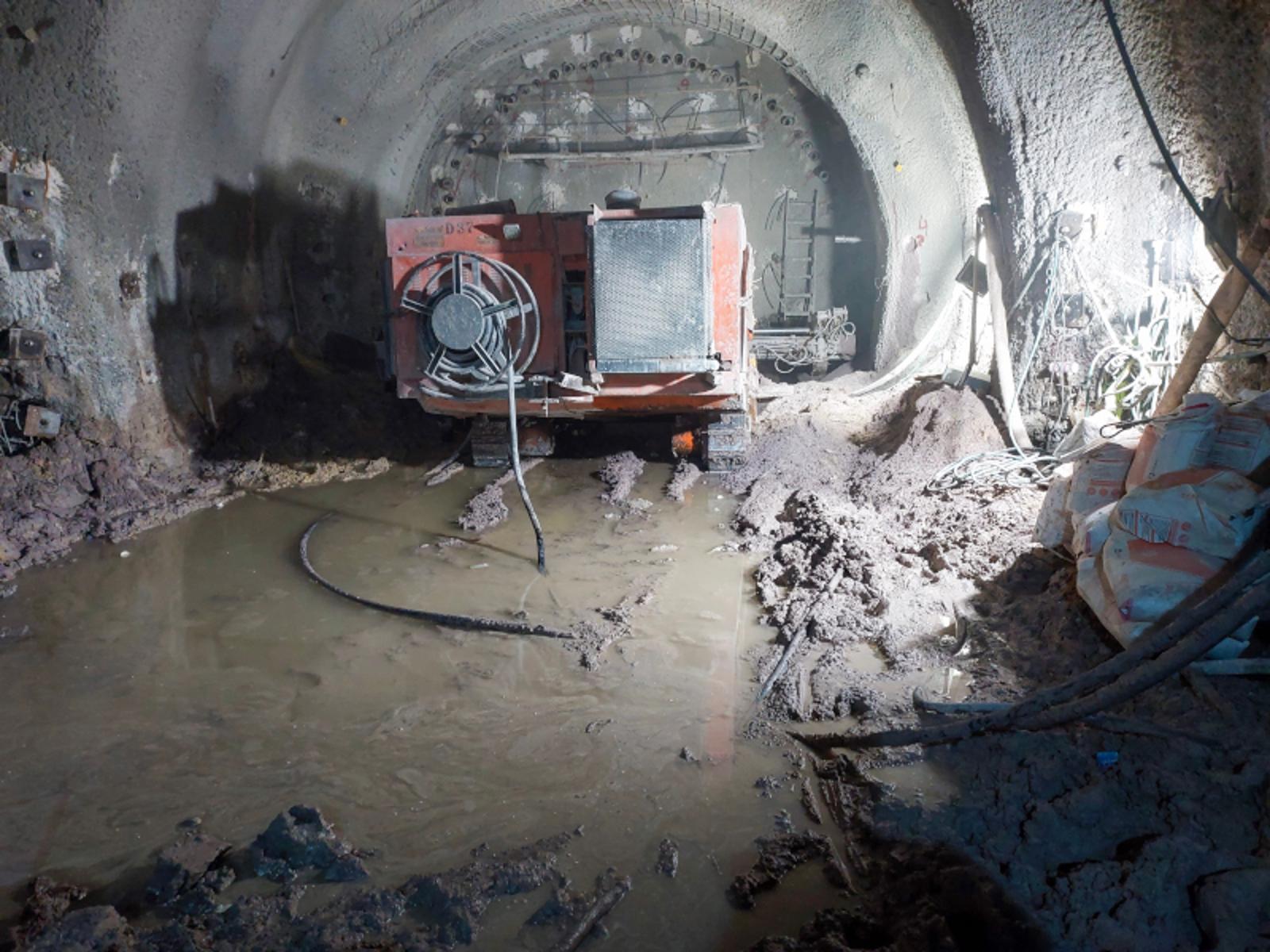
Cleaning is therefore a system requirement, not an activity added after commissioning. The installation needs a defined method for emptying, flushing, and inspecting the transfer path. Drainage, discharge areas, access points, and cleaning residues must be considered within the underground location.

Design for Predictable Shotcrete Delivery

A reliable shotcrete pumping system is defined by how well its components work together. Stable feeding supports pump performance. An appropriate pipeline limits avoidable resistance. Pressure monitoring makes operating changes visible. Access for cleaning and maintenance reduces the impact of interruptions.

Progressive cavity pump technology provides a strong basis through high suction capability, low-shear handling, uniform flow without pulsing, and stable transfer under changing pressure conditions. The surrounding installation must preserve these advantages from the hopper to the nozzle.

When the material supply, pump, pipeline, controls, cleaning procedure, and underground installation are designed as one process, shotcrete delivery becomes easier to manage as operating conditions and mining distances change.

Read More About Shotcrete Pumping Solutions