Products
Pumps
Pump Systems
Digital Solutions
Shredding Systems
Applications
Environmental Technology
Biogas Handling
Mining and Mineral Processing
Food and Beverage Industry
Oil, Gas and Petrochemicals
Pulp & Paper Industry
Additional Industries
Media
News
Fairs and Events
Downloads
Videos
Knowledge on Demand
SEEPEX Technologies
Security Publications
Services
SEEPEX Care Service Programs
Original Parts
Commissioning
24-Hour Helpline
Services
Company
About SEEPEX
Career
Locations
Build America, Buy America

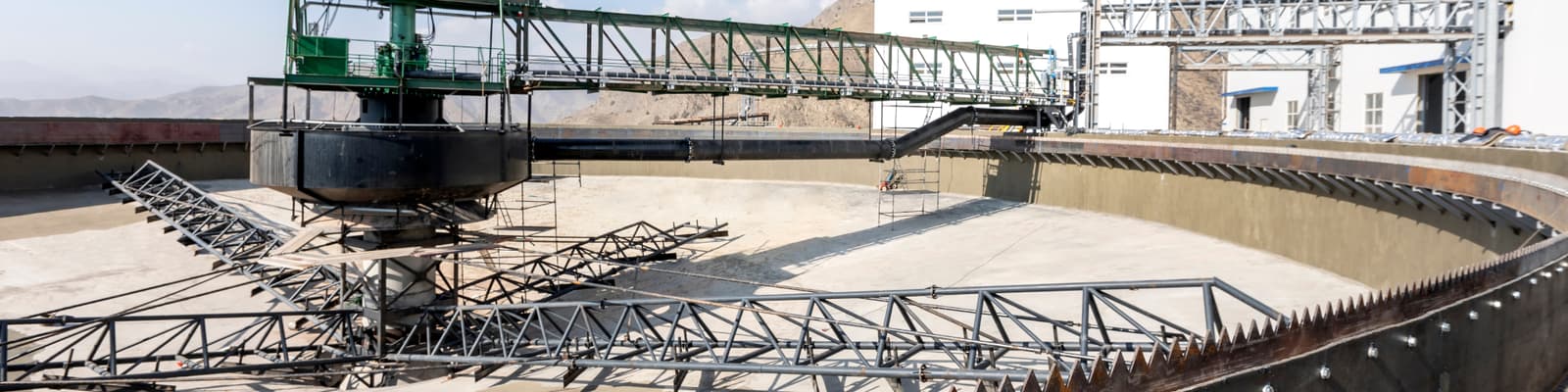
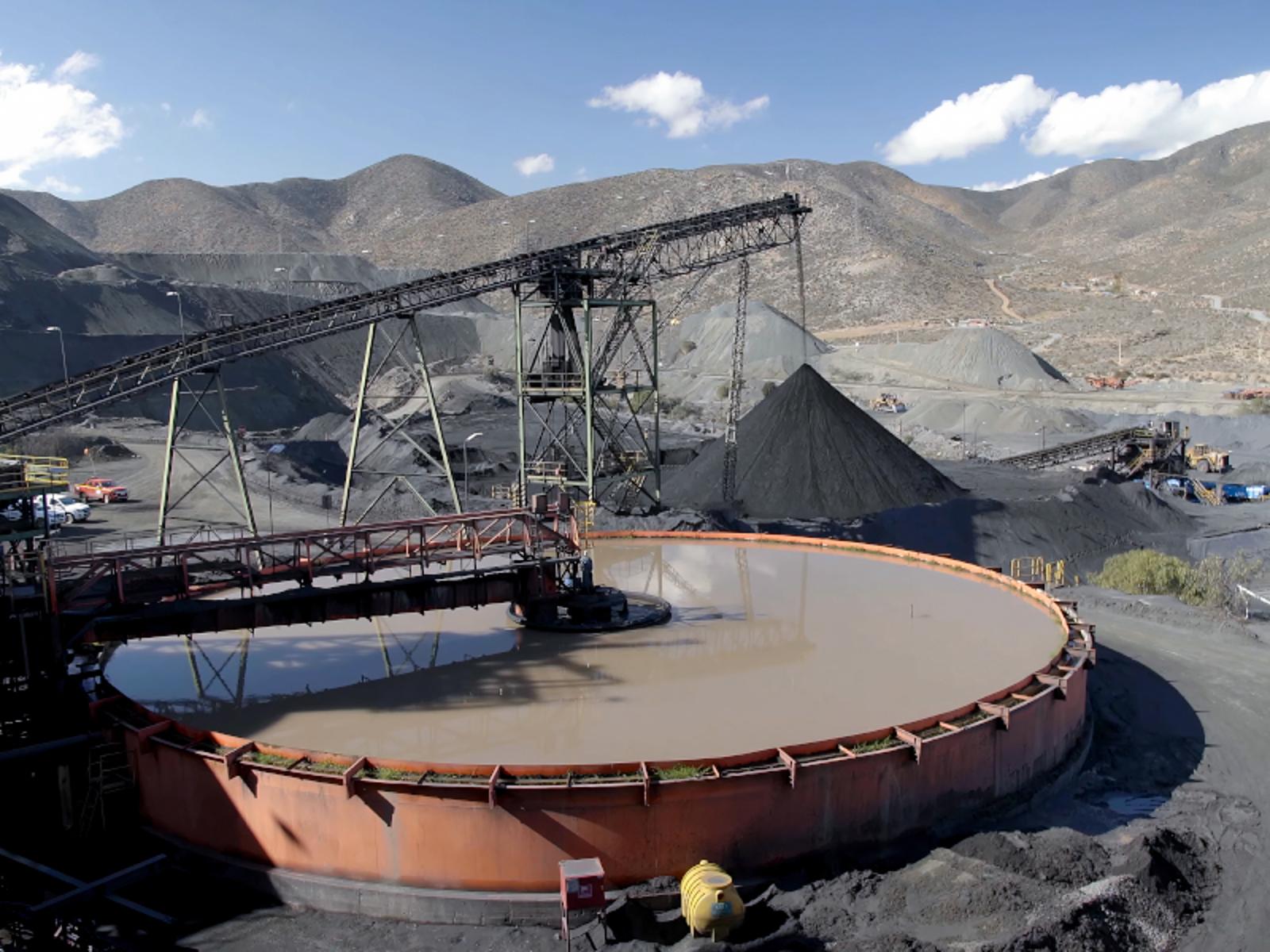
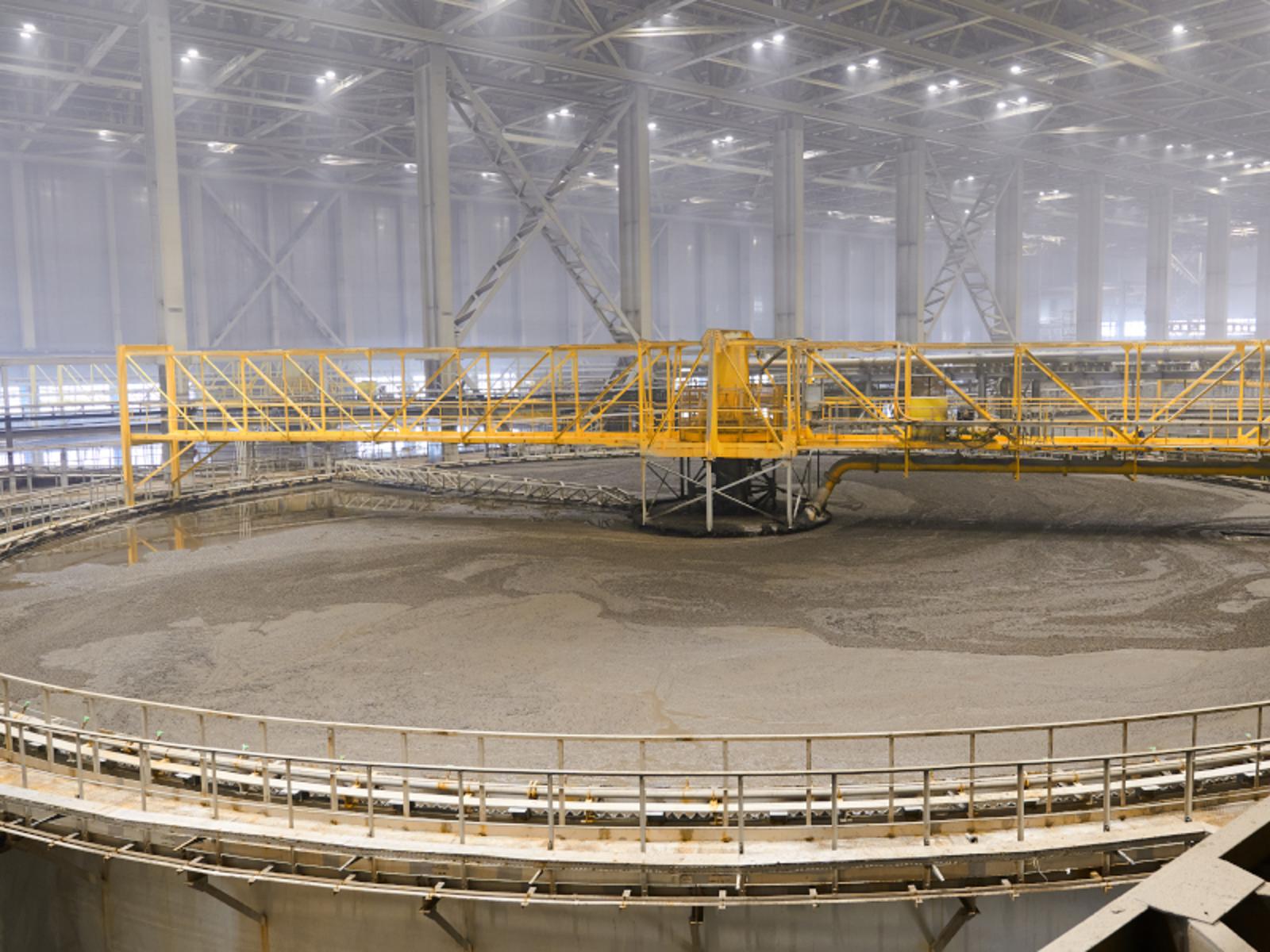
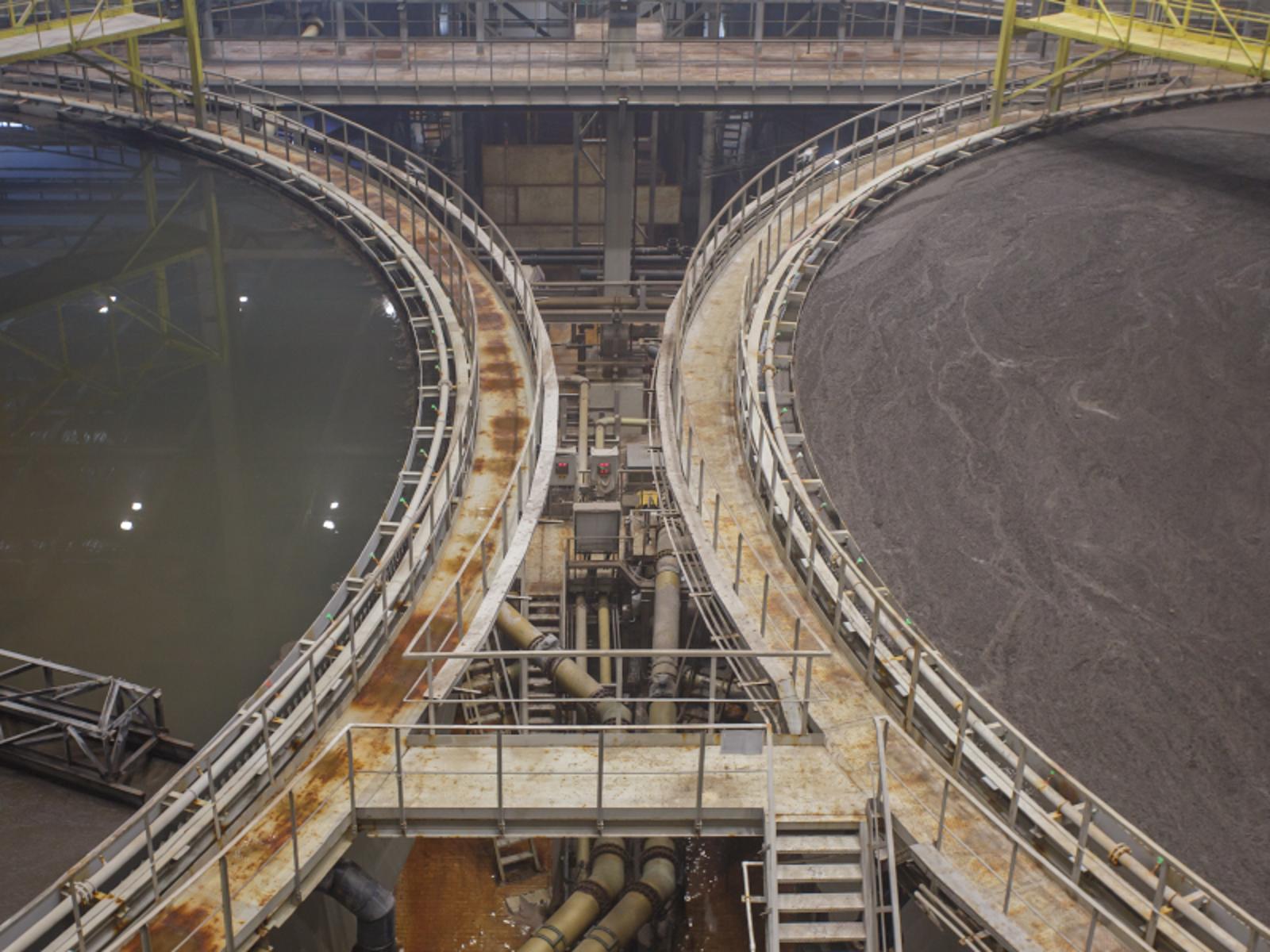
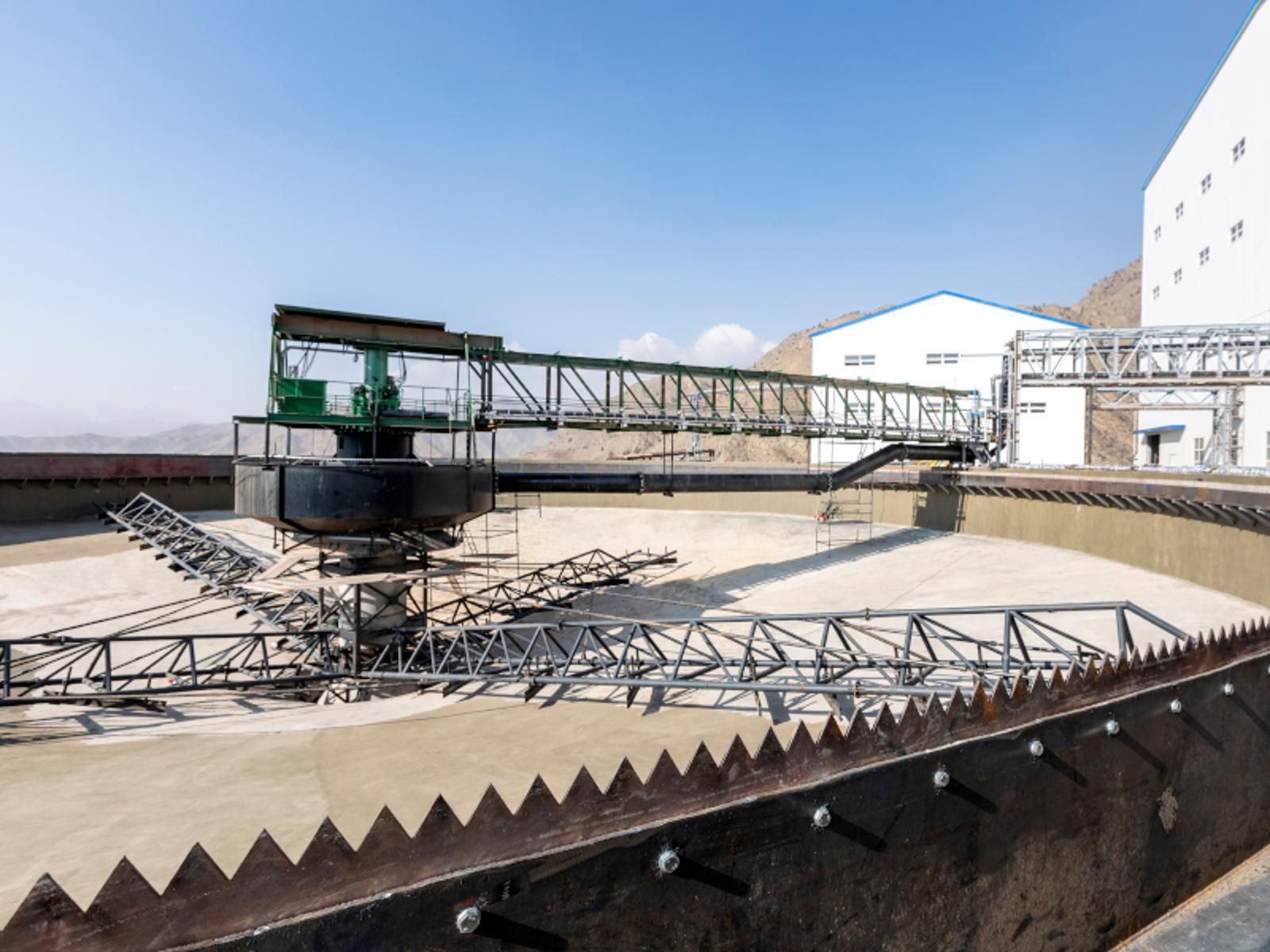
High-solids thickener underflow can change significantly as feed conditions, settling performance, and withdrawal requirements vary. A pumping system must continue delivering concentrate when solids content, rheology, and pressure demand move within the expected operating range.


Reliable transfer begins with the material entering the pump consistently. The selected pumping principle must then provide controlled output without creating unnecessary flow variation or mechanical disturbance. Pipeline resistance, downstream demand, and abrasive wear complete the duty.

High Solids Do Not Define Pumpability Alone

Solids content is an important pump-selection input, but it does not describe the complete transfer duty. Two concentrates with the same solids percentage may behave differently because of mineralogy, particle-size distribution, particle shape, flocculation, and temperature.

The relevant question is not only how many solids the slurry contains. It is how the concentrate feeds, begins moving, responds to shear, and flows through the installed pipeline.

A pump selected around one nominal solids value may encounter a wider operating range in practice. Feed conditions, thickener performance, and underflow withdrawal can all change the material arriving at the inlet.

Two parameters that further characterize this behavior are apparent viscosity and yield stress. Apparent viscosity reflects resistance to flow under a specified shear condition, while yield stress represents the minimum applied stress required to initiate sustained flow. Both may vary with concentrate composition and process conditions.
Consistent Feeding Supports Pump Performance

Dense concentrate may not flow freely from the thickener discharge toward the pump. Yield stress, low liquid content, settling, or an unsuitable inlet arrangement can prevent the pumping elements from filling consistently.

Incomplete filling reduces actual delivery even when pump speed remains unchanged. The result may appear as unstable output, rising pressure, or a difference between expected and measured flow.

The suction path should provide a direct, unrestricted route from the thickener underflow outlet to the pump. Sharp transitions, undersized connections, and areas where solids can collect increase the risk of inconsistent feeding.

A suitable pump requires sufficient suction capability to draw in viscous, high-solids concentrate under the specified inlet conditions. Suction performance cannot correct an unsuitable discharge arrangement or a line already restricted by settled material.

Positive Displacement Supports Controlled Withdrawal

Once concentrate enters the pump consistently, the next requirement is controlled delivery across changing operating conditions.

A progressive cavity pump is a positive-displacement pump. As the rotor turns inside the stator, sealed cavities progress continuously from suction to discharge, moving a defined volume of concentrate through the pump.

This creates a controlled relationship between pump speed and theoretical output. Adjusting the speed allows the underflow withdrawal rate to respond to process conditions within the selected operating range.

Actual delivery can still differ from theoretical output. Inlet filling, concentrate condition, differential pressure, internal wear, and system resistance all influence pump performance.

Underflow withdrawal must remain aligned with settling inside the thickener and the requirements of the downstream process. The purpose is not simply to remove concentrate faster, but to maintain the required withdrawal as conditions change.

Controlled Flow Supports the Downstream Process

Progressive cavity pumps convey concentrate through sealed cavities that move continuously from suction to discharge. The resulting flow is smooth and pulse-free rather than divided into repeated discharge strokes.

Stable delivery provides a consistent supply to downstream equipment and avoids pressure peaks caused by pump pulsation. It can also support flow measurement because the instrument receives steadier delivery.

The conveying action provides low-shear product handling. Concentrate moves through the pump without repeated acceleration from an impeller or interruption by internal pump valves. This limits unnecessary mechanical disturbance of flocculated or agglomerated particle structures.

Low-shear transfer does not guarantee that the concentrate remains unchanged. Shear also occurs in pipelines, bends, restrictions, and downstream equipment. Valves and fittings in the surrounding system must still suit the concentrate and operating duty.

System Pressure Defines the Required Pump Duty

The pressure required to transfer high-solids underflow develops across the complete system. Concentrate rheology, requested flow, pipeline length and diameter, bends, elevation changes, and downstream equipment all contribute.

The selected pump must provide the required delivery rate at the calculated system pressure across the expected operating range. Maximum pump pressure is not the normal operating target, and additional capability should not be used to force concentrate through an unidentified restriction.

When the pipeline configuration and requested output remain unchanged, pressure trends can also reveal changes in the concentrate or transfer path. Rising pressure may indicate increased resistance to flow or developing material accumulation.

These observations support troubleshooting, but the complete system calculation remains the basis for selecting the required pump pressure.

Abrasive Duty Influences Pump Configuration

Mineral concentrate causes wear in the pump and pipeline. The rate depends on particle hardness, shape, size, concentration, material velocity, pressure, operating hours, and equipment condition.

Pump configuration must account for the expected abrasive duty, but no design eliminates wear. Inspection and planned component replacement remain part of reliable operation.

The objective is predictable maintenance rather than an assumption that abrasive concentrate will have no effect on the equipment. Pump speed and operating pressure should also reflect the required duty rather than relying continuously on maximum performance.

Matching Pump Technology to High-Solids Underflow

High-solids thickener underflow requires a pump that can draw in viscous concentrate, adjust the withdrawal rate as process conditions change, and maintain smooth delivery across the required pressure range. The flow path must also accommodate concentrated solids without relying on internal pump valves that could become collection points.

SEEPEX BN pumps combine high suction capability, speed-based output adjustment, smooth, pulse-free delivery, low-shear product handling, and a clear passage without internal pump valves. The pumps do not require gland water, avoiding the introduction of seal water into the concentrate. SEEPEX specifies thickener underflow solutions with solids content up to 80%, conveying capacities up to 350 m³/h, and pressures up to 48 bar, depending on pump selection and application conditions.

Keep Concentrated Value Moving

High-solids underflow transfer depends on the interaction between the concentrate, pump inlet, pumping principle, pipeline, and downstream process. Solids content alone does not define the duty.

Progressive cavity pumps provide controlled, speed-adjustable withdrawal with smooth, low-shear delivery. Their suitability still depends on consistent feeding, an appropriate pipeline, sufficient pressure capability, and a configuration selected for the actual concentrate.

When these conditions are evaluated together, high-solids underflow can continue toward downstream recovery without unnecessary dilution or unstable delivery.

Read More About Thickener Underflow Recovery Solutions